


Pound Crashes to N1,767 as Naira Rallies After CBN Rate cut
Last update: October 3, 2026
Disclaimer: This website may contain affiliate links, which means we may earn a commission if you click on the link and make a purchase. We only recommend products or services that we personally use and believe will add value to our readers. Your support is appreciated!
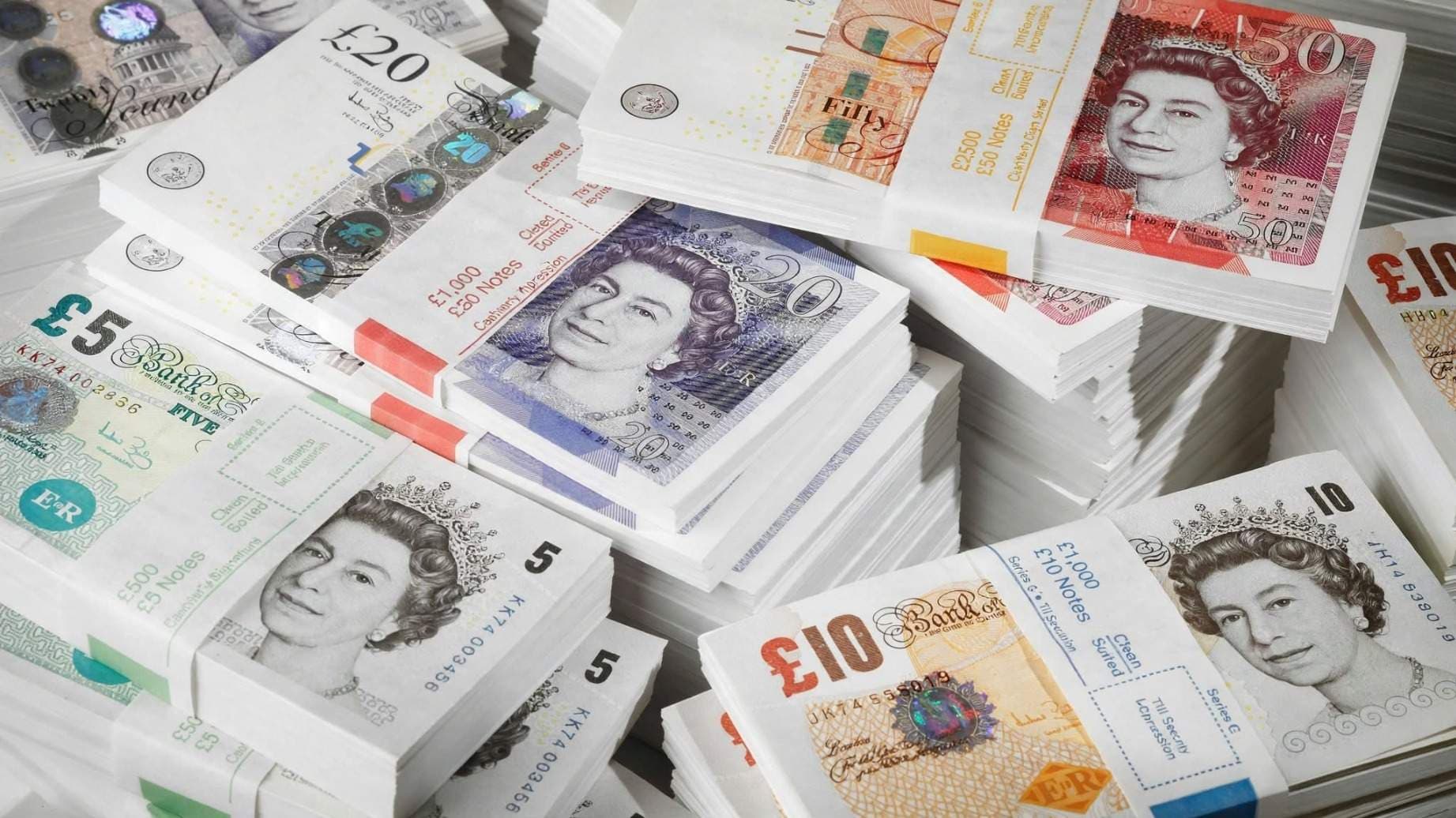
If you swapped pounds for naira in March, you got nearly N1,900 for every £1. This week? Just N1,767. The naira is on a proper comeback, and it’s happening right after the Central Bank did something no one expected.
As first reported by cbinews.tv, the British Pound’s last bargain was at N1,767/£1 as the naira extended its bullish run in the CBN’s post-cut era.
So, what’s actually going on? Let’s break it down.
Normally, when you cut rates, your currency weakens because foreign investors earn less interest – that famous “carry cushion” shrinks. But this time, the naira ignored the textbook and kept climbing.
THIS DIDN’T HAPPEN BY ACCIDENT:
Three months ago, this story was very different. In Q1 2026, the pound was trading well above N1,900. The naira was still fighting speculative attacks, backlogs and low confidence.
What changed? Buffers. Big ones.
The CBN has confirmed that Nigeria’s gross foreign exchange reserves rose to $55.25 billion as of September 18, 2026, the highest level in 18 years, giving the country about 11.3 months of import cover. That is a world away from 2023, when net usable reserves were reportedly under $1bn.
That war chest matters. With oil and gas inflows improving, diaspora remittances being captured formally, and the messy multiple exchange rates collapsed into one transparent window, the CBN has had enough firepower to flood the market and deter speculators.
At the same time, demand for naira assets has stayed mad. Even with the MPR cut, Treasury Bills and OMO auctions are seeing huge oversubscriptions. Banks parked N77tn+ in the Standing Deposit Facility in June alone. Local liquidity wants naira, and that props up the currency.
IT’S NOT JUST CHARTS:
For Tolu in Peckham sending £200 home to her mum in Ibadan, this hurts a little. That £200 was N380,000 in February. Today it’s about N353,000. She’s lost a bag of rice worth of value.
For Emeka in Lekki, whose son is due to pay a £15,000 tuition deposit at Coventry next month, it’s a blessing. His bill just dropped from N28.5m to roughly N26.5m.
That is the double-edged sword of a stronger naira – importers, students and parents paying foreign fees breathe easier, while families living off UK remittances feel the pinch.
AND WHY IS THE POUND ALSO WEAK GLOBALLY?
This isn’t just a naira story. The pound itself is having a shocker. Sterling is lingering near its weakest against the US dollar since late June, hovering around $1.32, pressured by a super-strong dollar, sticky US yields near 5%, and political jitters – UK 30-year gilt yields have spiked above 6% for the first time since 1998 ahead of the October 28 Autumn Budget.
In other words: the naira is getting stronger at home while the pound is getting weaker abroad. That double whammy is why GBP/NGN has fallen so fast.
IN PLAIN ENGLISH
What is MPR? Think of it as the CBN’s master interest rate. When it’s high at 26.5%, banks charge high rates and investors get juicy returns for holding naira assets. Cutting to 23% is a 350-basis-point cut – the biggest since 2006. The CBN also narrowed its corridor to +50/-300 around the MPR, so the lending facility is now 23.5% and the deposit facility 20%.
Why didn’t the naira crash? Because the CBN kept the Cash Reserve Ratio at 45% for big banks, kept mopping up liquidity, and most importantly, showed it has dollars to defend. Reserves above $55bn mean traders can’t easily bully the naira.
WHAT TO WATCH?
1. Inflation data: Headline inflation eased to 15.39% in August from 15.43% in July. If that downtrend continues, the CBN may have room for more cuts.
2. Bank lending rates: Banks have already told customers that all MPR-linked loans and savings will be repriced downwards from September 22. If banks actually cut lending from 30% to the low 20s, businesses may finally borrow and grow.
3. The floor for GBP/NGN: Analysts are watching N1,700 as the next psychological level. If reserves stay above $55bn and oil stays firm, we could test it. If dollar strength returns, sterling could drag naira back up.
4. Remittance timing: If you receive pounds regularly, consider not converting everything at once. If you pay UK bills, this dip is your window.
Bottom line: The CBN cut rates but kept its muscle. For once, cheaper borrowing in Nigeria hasn’t meant a weaker naira – at least not yet.
Source: cbinews.tv
#Naira #BritishPound #GBPtoNGN #CBN #MPR #NigeriaEconomy #Forex #CostOfLiving #UKNigerians #CBINews #NairaGains #ExchangeRate