


Plateau Residents Push for 35% Women Inclusion in Governance
Last update: April 21, 2026
Disclaimer: This website may contain affiliate links, which means we may earn a commission if you click on the link and make a purchase. We only recommend products or services that we personally use and believe will add value to our readers. Your support is appreciated!
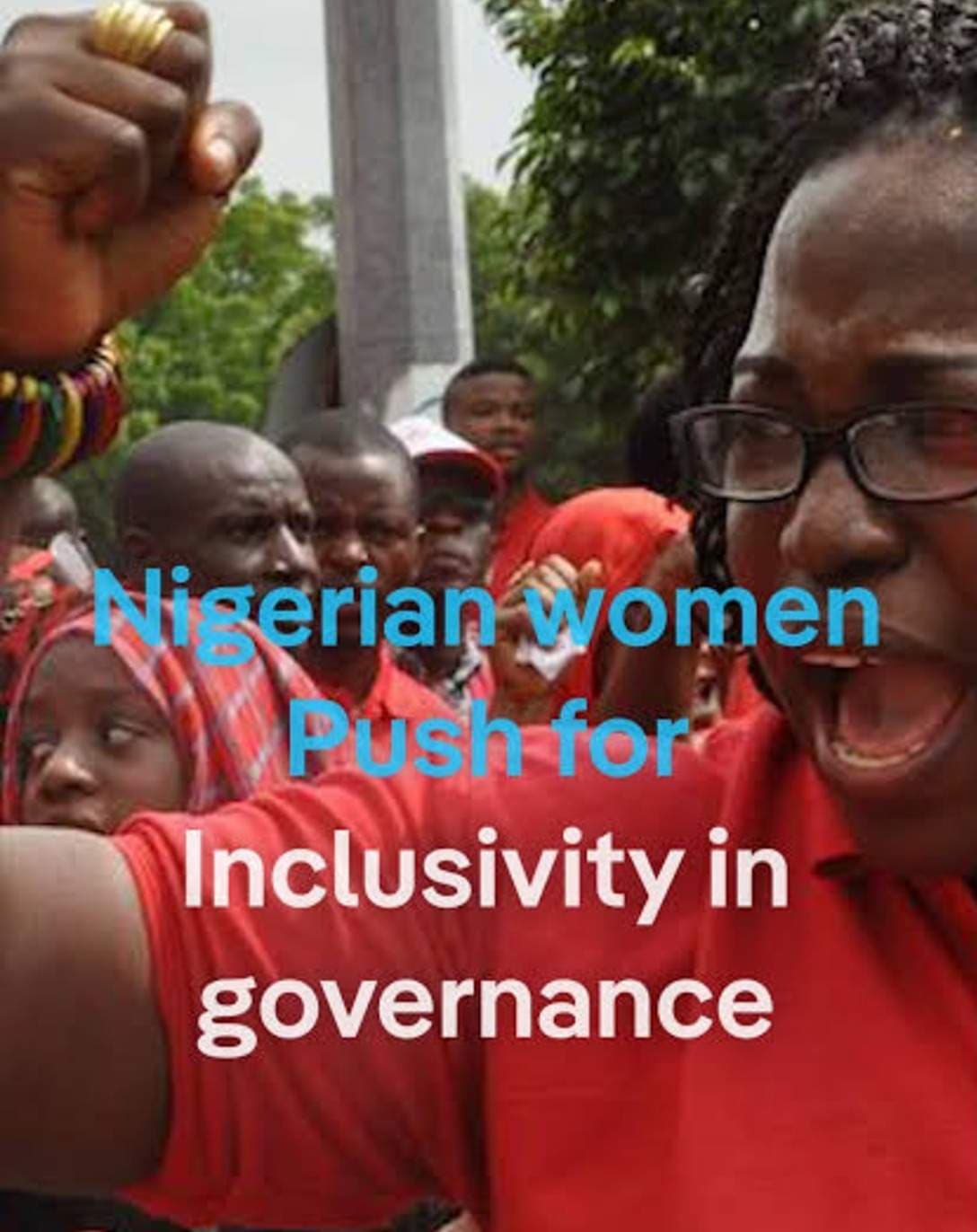
Mixed reactions as people in Plateau State demand greater Women political representation.
Women in Plateau State Nigeria have renewed calls for 35 percent inclusion in governance, sparking a wave of reactions from residents across the region.
Ummil-khairi Abdulmumin, an activist, believes women will provide better representation, especially in the areas of health, social welfare, and societal development.
Meanwhile, Mejiddah Ahmad, a make-up artist, stated that in every aspect, people tend to look down on women; hence, they have a greater role to play.
“Because in every aspect women are somehow underrated, that is why they make such demands in order to play their role.”
Jennifer Pius, a businesswoman, highlighted that women are left behind in terms of politics, education, and other areas. Similarly, Nnamaka Raphael, another businesswoman, added that women are being underrated, as some men see their involvement as abnormal.
Deshi Daniel, a businessman, described the women’s effort as a long-standing push for equity, which is why they are demanding 35 percent inclusion.
However, Ummil-khairi Abdulmumin added that if women are given 35 percent inclusion, there will be greater participation and improved outcomes from their involvement. Jennifer Pius also stated that women’s voices are often not heard, especially in politics.
Nnamaka Raphael highlighted that the girl child needs a woman to represent her—like a mother who listens to a baby’s cry. Meanwhile, Deshi Daniel described the situation in the country as a key reason for the demand, stressing the need to assess the standard of what women can deliver.
Residents express diverse views, but many agree that increased female inclusion could strengthen representation and governance.