

Plateau Drug Survivors Expose Horror as State Ramps Up Crackdown
Last update: April 18, 2026
Disclaimer: This website may contain affiliate links, which means we may earn a commission if you click on the link and make a purchase. We only recommend products or services that we personally use and believe will add value to our readers. Your support is appreciated!
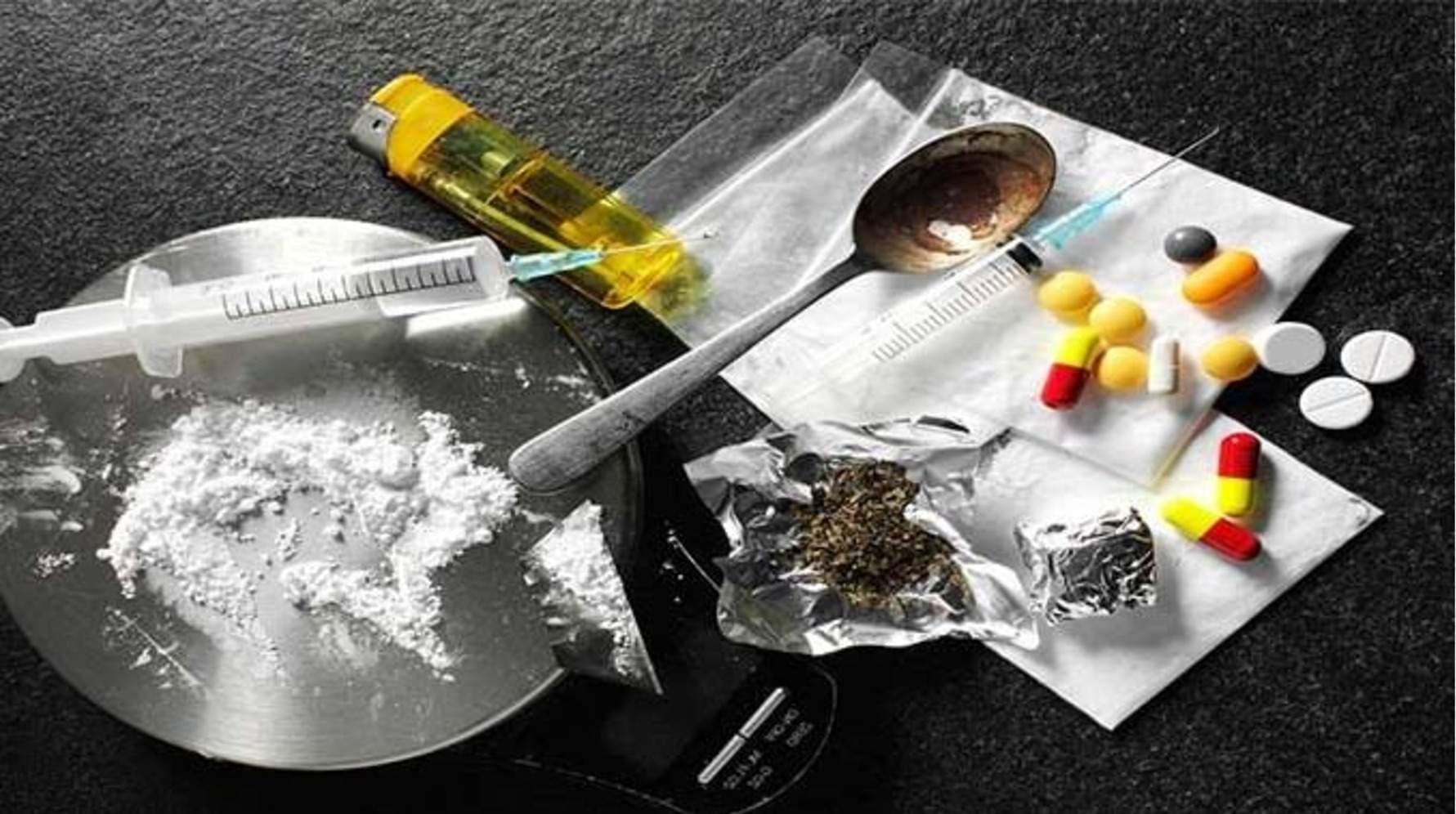
Survivors are recounting harrowing tales of addiction’s devastating impact on their lives.
The growing menace of drug abuse among youths is raising serious concern across communities, with stakeholders warning of its devastating impact on mental health, behavior, and overall societal well-being.
This report features firsthand accounts from former victims who have turned a new leaf. Khadija Adam, a young woman, and Hamisu Abdullahi, who once struggled with addiction, recounted their experiences. They described the substances they used and how addiction led to isolation, emotional instability, and loss of self-worth.
“I take syrup, refnol, eczol, ‘yellow boys,’ diazepam, Indian hemp, cigarettes, solution, and other substances.”
“Sincerely, I just found myself in this condition. I don’t know how I started. Although I didn’t use drugs too much, there is a medicine sold in hospitals that not everyone knows about, but I used it because it made me high. Aside from that, I took Indian hemp, cigarettes, codeine, and other substances.”
Khadija explained how her addiction began and how it affected her emotionally, while Hamisu shared how drug use pushed him into a cycle of aggression and poor decision-making. He identified peer pressure as a major factor in his addiction.
“From the beginning, it feels sweet, but as time goes on, you find yourself in a condition that is not illness, but very uncomfortable.”
“The influence of peer groups played a vital role in the condition I found myself in before.”
Speaking on the issue, Lawal Baba Otu, a member of the Special Purpose Committee (SPC) and War Against Drug Abuse (WADA), highlighted the reasons for establishing the committee and the urgent need to tackle drug abuse.
Particular concern has been raised over a notorious drug hotspot known as Congo, where illicit substances are reportedly sold openly. The area has become a hub for many youths, increasing the risk of addiction and criminal activity.
Markus Simon, a youth leader in Congo, described ongoing efforts to address the situation, while Bala Pam highlighted additional challenges such as gangsterism and thuggery, largely fueled by drug abuse.
“Anyone under the influence of drugs is prone to violence. When people take substances, they can easily be triggered and have conflicts with others. These are some of the problems we face here. There is also gangsterism, where people stab each other because of drug influence.”
Both victims also shared what motivated them to abandon drug use and rebuild their lives.
“What made me quit is my desire to become someone my country and community will be proud of. Sometimes when I was high, I would ask myself if there was a way out.
We would see people overdose and die, and I asked myself, what if I die in this condition? That made me reduce my intake and eventually stop.”
“Let me tell you something—once you get involved in drugs, stealing, thuggery, and other vices, the end result is bad. You either end up in the hospital or in prison.”
Despite the challenges, community leaders such as Markus Simon, Bala Pam, and Nandang Nicholas say they are doing their best to restore order, though the situation remains alarming.
“Sincerely, the main challenges are drugs and criminal activities. You see people stabbing each other and engaging in phone snatching within the community.”
Lawal Baba Otu also emphasized ongoing efforts to collaborate with religious groups and other stakeholders in the fight against drug abuse.
As the fight against drug abuse continues, the voices of survivors and advocates serve as a powerful reminder that while the path to addiction may be easy, recovery is often long and difficult but possible.