

Phone Tapping Allegation: Court Adjourns El-Rufai’s Arraignment to April
Last update: February 25, 2026
Disclaimer: This website may contain affiliate links, which means we may earn a commission if you click on the link and make a purchase. We only recommend products or services that we personally use and believe will add value to our readers. Your support is appreciated!
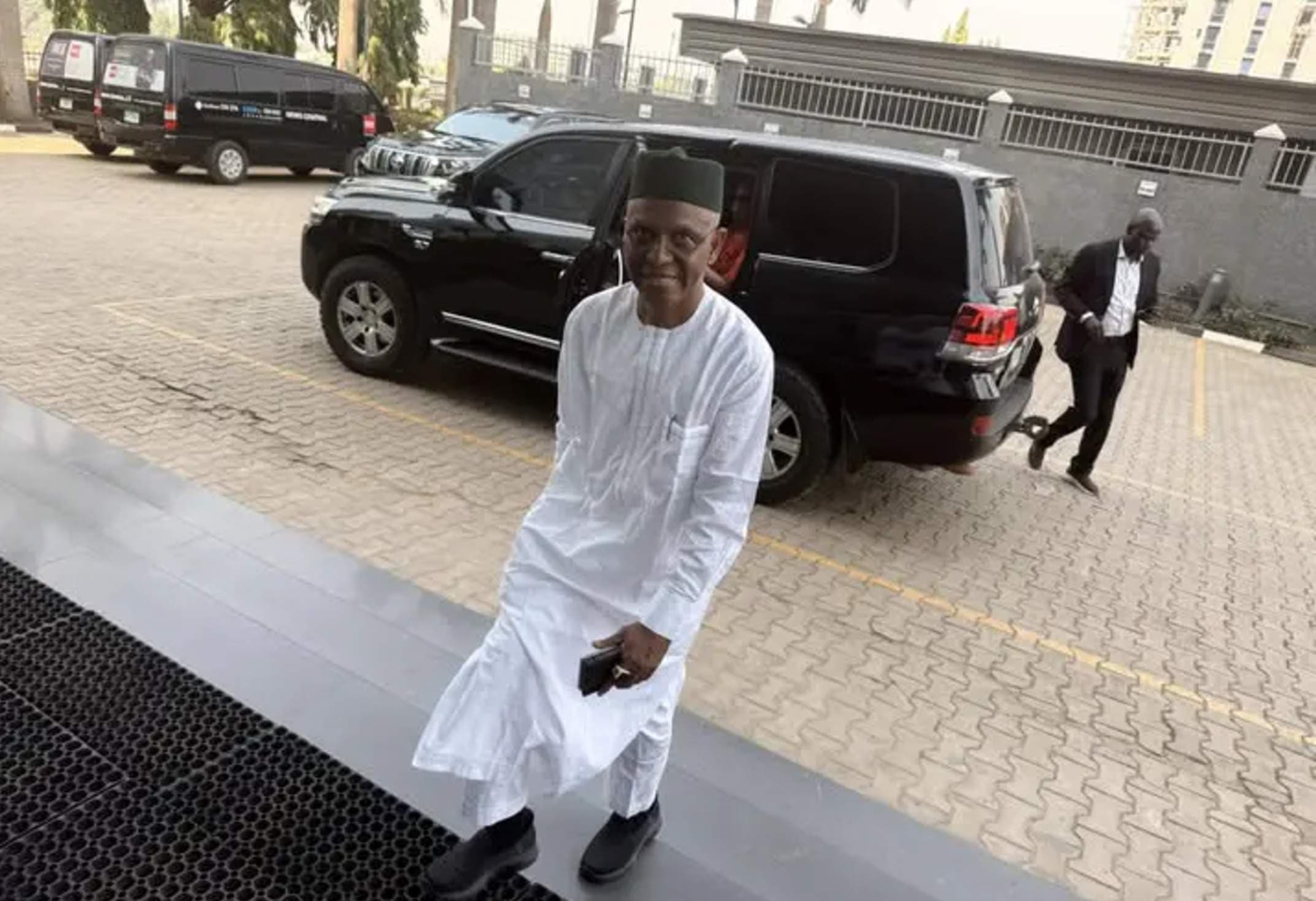
Justice Abdumalik adjourned former Kaduna state Governor''s arraignment to April 23...
The planned arraignment of former Kaduna state governor Nasir El-Rufai was stalled on Wednesday due to his absence in court, prompting the trial judge to adjourn the matter until April 23, 2026.
When the case was called, prosecution counsel Oluwole Aladedoye told the court that although the proceeding was fixed for arraignment, the defendant could not be produced because he is currently in the custody of the Independent Corrupt Practices and Other Related Offences Commission (ICPC).
Aladedoye asked the court to fix March 10 for arraignment to allow the anti-graft agency to produce El-Rufai, explaining that the Department of State Services (DSS) does not have authority over the ICPC, even though both agencies operate within the same security framework.
Counsel to El-Rufai, Oluwole Iyamu, did not oppose the adjournment but sought bail for the former governor, citing legal authorities to support the application.
The DSS opposed the bail request, arguing that it was premature and could only be considered after a formal arraignment.
Justice Joyce Abdulmalik declined the bail application, saying the court had yet to take the defendant’s plea.
In a three-count charge, the federal government alleged that El-Rufai, during a Feb. 13 appearance on Arise TV’s Prime Time programme in Abuja, admitted that he and others unlawfully intercepted the phone communications of National Security Adviser Nuhu Ribadu, contrary to Section 12(1) of the Cybercrimes (Prohibition, Prevention, etc.) Amendment Act, 2024.
The second count accused him of stating during the same interview that he knew and related with an individual who unlawfully intercepted the NSA’s communications without reporting the person to relevant security agencies, contrary to Section 27(b) of the same Act.
In the third count, the government alleged that El-Rufai and others at large used technical equipment or systems to compromise public safety and national security by unlawfully intercepting the NSA’s communications, an offence punishable under Section 131(2) of the Nigerian Communications Act 2003.