

Osun Election: Over 70% of Persons With Disabilities Vote — EU-SDGN
Last update: August 15, 2026
Disclaimer: This website may contain affiliate links, which means we may earn a commission if you click on the link and make a purchase. We only recommend products or services that we personally use and believe will add value to our readers. Your support is appreciated!
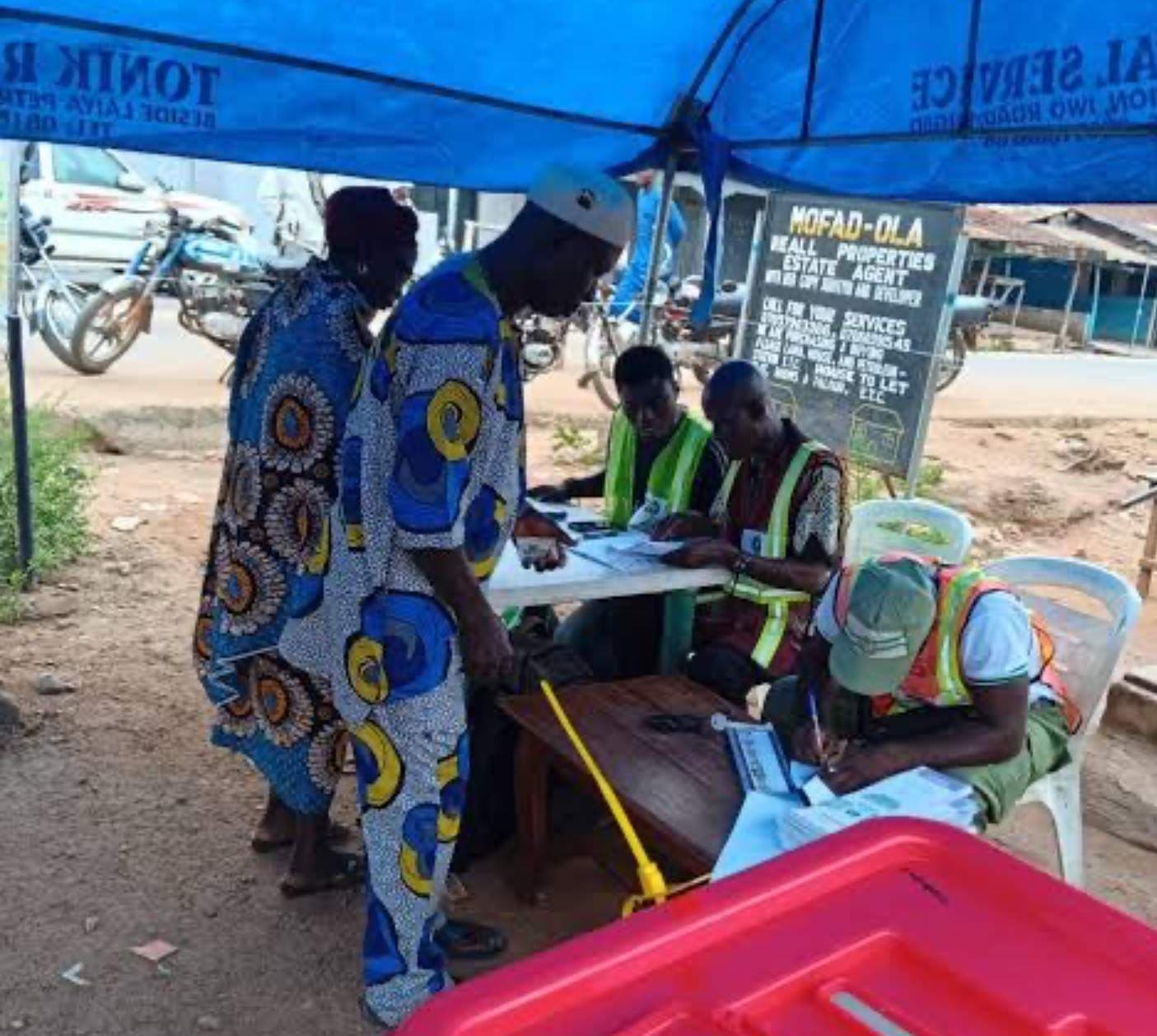
Here is a number you do not hear every election day. More than 70 per cent of voters with disabilities turned up to vote in Osun. In an election already dogged by reports of vote trading, that level of inclusion is a massive bright spot.
This is quite encouraging, and it is coming from the big observers on the ground.
The European Union Support to Democratic Governance in Nigeria Election Observation Hub has disclosed that over 70 per cent of persons with disabilities turned out to vote at designated polling units it monitored during the ongoing Osun governorship election, cbinews.tv reports.
The preliminary election day statement was presented in Osogbo by a heavyweight coalition. Samson Itodo of Yiaga Africa, Barrister Asabe Ndahi of the Kukah Centre, Akin Akingbulu of CEMESO, Lanre Arogundade of IPC, Brenda Anugwom of the Nigerian Women Trust Fund and Jake Epelle of TAF Africa.
And the Hub did not just talk about PWDs. Its field teams who covered 726 polling units said the process was largely inclusive. Women accounted for about 59per centt of voter turnout in the units observed, while women made up 36 percent of polling officials and were very active as party agents.
That 70 percent figure is significant. The observers recorded it specifically across 12 designated PWD polling units, which shows that when you make provision, people will come out.
Historically, PWDs have been one of the most excluded groups in Nigeria's elections. Before the Discrimination Against Persons with Disabilities Act was signed in 2018 and INEC introduced its Framework on Access and Participation of PWDs, many polling units were physically inaccessible, with no Braille ballot guides, no magnifiers and no priority queues. TAF Africa has been pushing this inclusion agenda for years.
In Osun itself, INEC data shows there are 1.9 million PVC holders, but PWD voter data is rarely disaggregated. So for the EU SDGN Hub to record over 70 percent turnout in those 12 specialised units is a real leap from the 2018 and 2022 elections, where PWD turnout nationally hovered below 30 percent in observed units.
But it was not all rosy.
The same EU SDGN Hub flagged some serious concerns as of noon on election day. Across the 726 polling units observed, they recorded 38 security incidents, including 25 cases of thuggery, 12 attacks on electoral officials and nine cases of voter intimidation allegedly involving security personnel.
And then the irregularities. 323 cases of electoral offences and irregularities, including 103 cases of vote trading, 28 incidents of inducement of polling and security officials, 38 cases of campaigning at polling units, 12 cases of multiple voting, 14 cases of voter impersonation, seven cases of misconduct by election officials, 31 cases of obstruction of voters and 85 cases of voters exposing their ballot papers.
The Hub has now urged INEC to go further. To ensure priority voting and assistive devices for PWDs, the elderly and pregnant women are not just available on paper but actually used, to deploy backup BVAS devices where accreditation fails, and to ensure results forms are pasted at polling units and uploaded promptly to the IReV portal.
It also told security agencies to be visible but restrained, and told parties to let their agents observe, not intimidate or trade votes.
For voters, the message was simple. Vote independently, reject inducement, and report any vote buying.
In short, inclusion is winning in Osun, but integrity still needs work.
#OsunDecides2026 #OsunDecides #PWDsVote #InclusiveElection #EUSDGN #YiagaAfrica #TAFAfrica #INEC #DisabilityInclusion #NigeriaDecides