

Osun 2026: Voting Ends Across Osun, Collation Begins
Last update: August 15, 2026
Disclaimer: This website may contain affiliate links, which means we may earn a commission if you click on the link and make a purchase. We only recommend products or services that we personally use and believe will add value to our readers. Your support is appreciated!
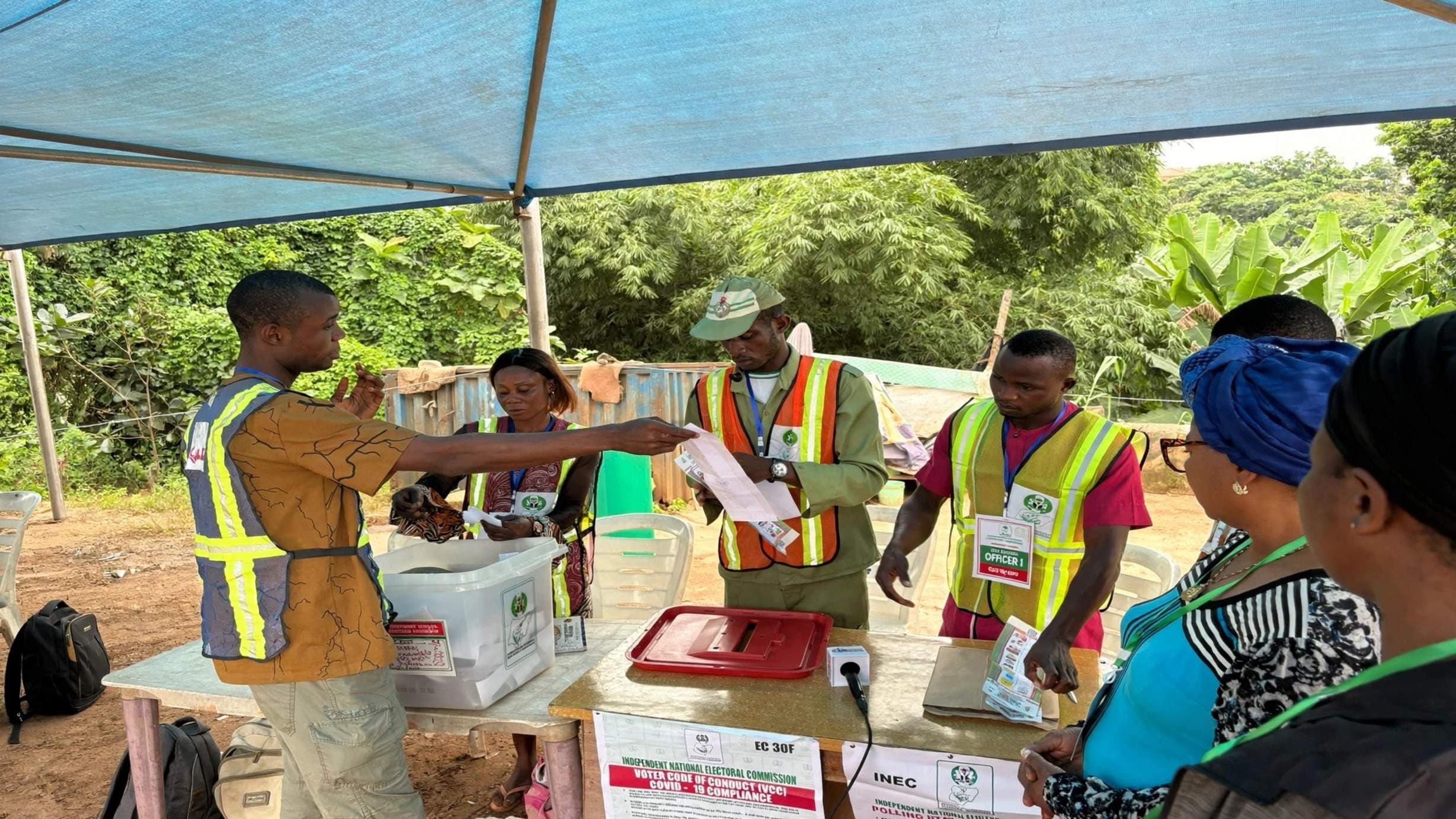
The ballots are sealed, the ink pads are dry, and the real drama is just kicking off — Osun has voted; now Osun will count.
Well, that's a wrap on voting day — at least at the polling unit level.
As first reported by cbinews.tv, polls have officially closed across several polling units in Osun State for the 2026 governorship election, with INEC officials now sorting and counting ballots under the watchful eyes of party agents, observers and very anxious locals.
And what a day it's been.
If you followed the 2022 edition, you'll know Osun loves a nail-biter. That year, Ademola Adeleke of the PDP polled 403,371 votes to edge out then-incumbent Gboyega Oyetola, who got 375,027 votes across the state's 30 Local Government Areas. Before that, 2018 went all the way to a rerun on 27th September after INEC declared the first ballot inconclusive. So, Osun voters are no strangers to drama — and today delivered plenty.
Turnout looked strong again. For context, Osun has over 1.9 million registered voters spread across 332 wards and 3,763 polling units, and while INEC is yet to release today's accreditation figures, reports from Ede, Ikire, Ife and Ejigbo suggest people actually came out.
It wasn't without hitches, though.
Governor Ademola Adeleke — this time seeking re-election not on the PDP but on the Accord Party platform after that headline-grabbing defection — had to wait to cast his vote in Ede. Officials battled with the Bimodal Voter Accreditation System (BVAS) and a faulty ink pad. His main challenger, APC's Bola Oyebamiji, voted in Ikire and appealed for calm, urging supporters to let the process play out peacefully.
There were more technical gremlins elsewhere. In Ife East, Prof. Olayinka Ajala was reportedly unable to vote after the BVAS failed to recognise both his face and thumbprint — a reminder that for all its improvements over the old card readers, BVAS authentication is still a sticking point in off-cycle elections.
Then there were the familiar shadows: allegations of vote-buying in a few locations and a brief disruption at the polling unit of ADC candidate Najeem Salaam in Ejigbo, where suspected thugs were said to have invaded shortly after he voted.
Despite that, security agencies are calling it largely calm. Samuel Erale, the Commissioner of Police in charge of election security, said no arrests had been made as of his last assessment and the overall atmosphere remained peaceful.
So, what next?
This is where Osun elections get really interesting. As per INEC procedure, results will first be sorted, counted and announced at each polling unit before moving to ward collation and then the 30 LGA collation centres. It is a transparent but painstaking process — the same plurality voting system that has decided Osun since the 1999 return to democracy, and the same 2003 transition when Olagunsoye Oyinlola defeated incumbent Adebisi Akande, still applies.
For now, all eyes are on the count.
Stick with cbinews.tv for polling-unit results, LGA breakdowns and official declaration as they come in.
Source: cbinews.tv
#OsunDecides2026 #OsunElection #AdemolaAdeleke #BolaOyebamiji #INEC #BVAS #OsunState #NigeriaDecides #CBINews