

Oil Shock: 4.3m Barrels Vanish as Hormuz Stays Shut
Last update: August 12, 2026
Disclaimer: This website may contain affiliate links, which means we may earn a commission if you click on the link and make a purchase. We only recommend products or services that we personally use and believe will add value to our readers. Your support is appreciated!
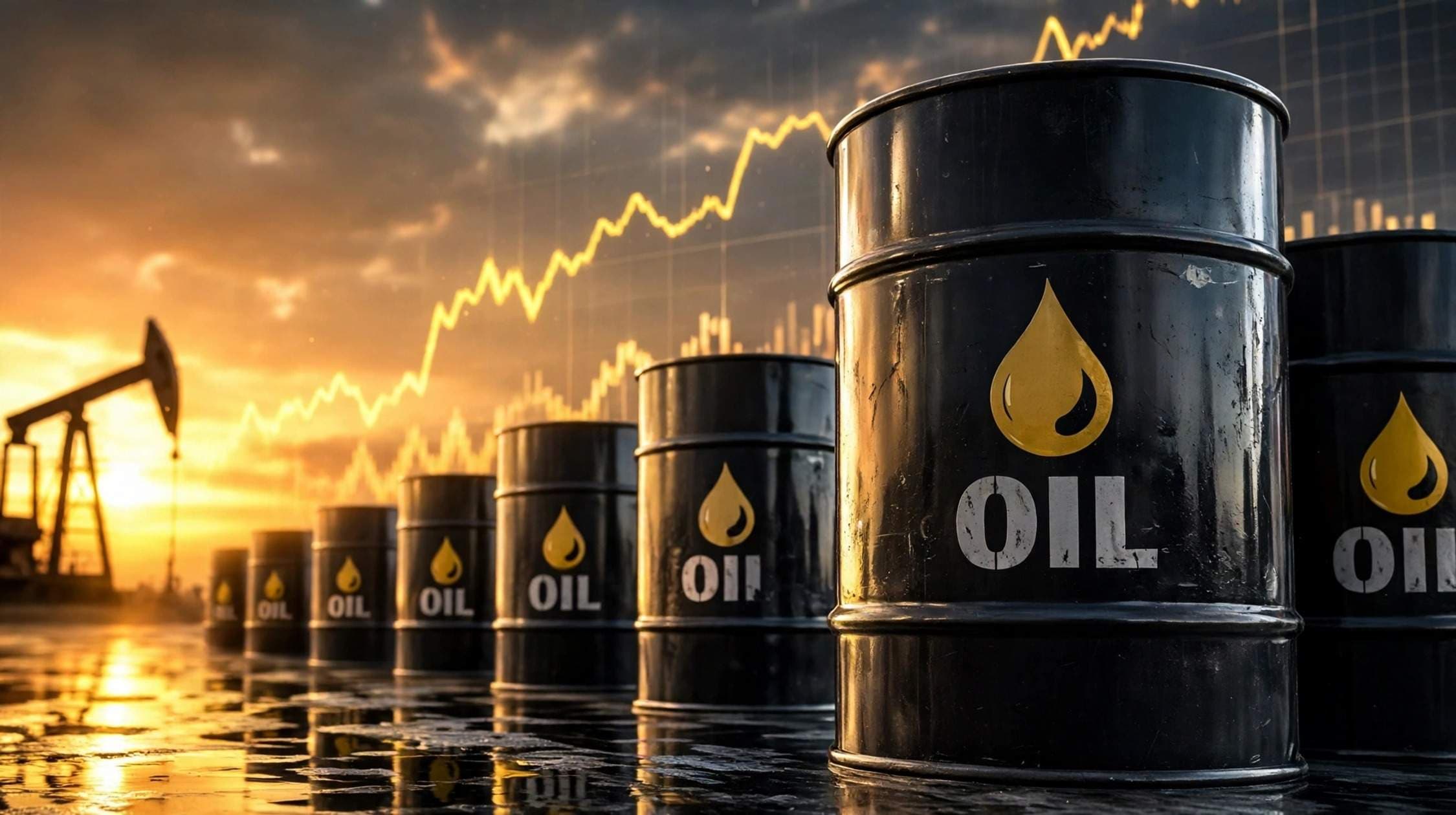
Brace yourselves — the world is about to lose a lot more oil than anyone thought a month ago.
In a punchy update that has traders on edge, the International Energy Agency now reckons global oil supply will tumble by 4.3 million barrels per day (bpd) this year — that’s about 4% of everything the planet pumps, reports cbinews.tv citing the IEA’s latest monthly market report.
And yes, it’s worse than before. In July, the IEA had pencilled in a 3.7 million bpd drop. Now it’s lifted that to 4.3 million bpd, taking total supply down to 102.02 million bpd — its lowest forecast for 2026 yet.
So, what’s gone wrong?
In the IEA’s own words: “With an agreement enabling the reopening of Hormuz and unhindered transit through the Bab al-Mandeb Strait still elusive, we have again lowered supply estimates for the rest of the year”.
Translation: the two maritime chokepoints the world can’t live without are still essentially jammed.
Why this matters — a bit of context:
The Strait of Hormuz is not just any waterway. It handles nearly 20% of global oil and LNG flows — around 20 million bpd on a normal day. The Bab al-Mandeb Strait, at the southern mouth of the Red Sea, handles another 8-9% and is the gateway to the Suez Canal. When both sneeze, the global economy catches a cold.
We’ve seen flashes of this before, but never quite a double-whammy like this. During the 1980s Tanker War between Iran and Iraq, and again in 2019 when tankers were attacked off Fujairah, prices spiked but flows kept moving. In 1973, an Arab oil embargo cut just 5% of supply and triggered a full-blown recession in Britain. This time we’re looking at a 4% cut baked into the numbers, with war risk layered on top.
The IEA, which advises industrialised nations from its Paris base, had until recently been warning of a massive glut — as much as 4 million bpd of surplus in 2026. That story has been turned on its head by renewed hostilities in the Middle East since July.
For perspective, global supply hit a record 106.9 million bpd in August last year before this slide began. The agency now sees supply plunging below demand this year as the Iran-Israel conflict wreaks havoc on production.
What happens next? If Hormuz reopens and Red Sea transits normalise, the IEA has modelled a sharp rebound — supply could jump by 7.5 million bpd in 2027. If not, we’re looking at a deeper deficit, higher pump prices in the UK, and more pressure on inflation just as the Bank of England thought it had it licked.
One to watch very closely.
Source: cbinews.tv
#OilPrices #IEA #GlobalOilSupply #StraitOfHormuz #BabAlMandeb #EnergyCrisis #OilAndGas #CostOfLiving #Geopolitics #cbinewstv