


Oil Prices Rise as US-Iran Fighting Raises Supply Fears
Last update: September 1, 2026
Disclaimer: This website may contain affiliate links, which means we may earn a commission if you click on the link and make a purchase. We only recommend products or services that we personally use and believe will add value to our readers. Your support is appreciated!
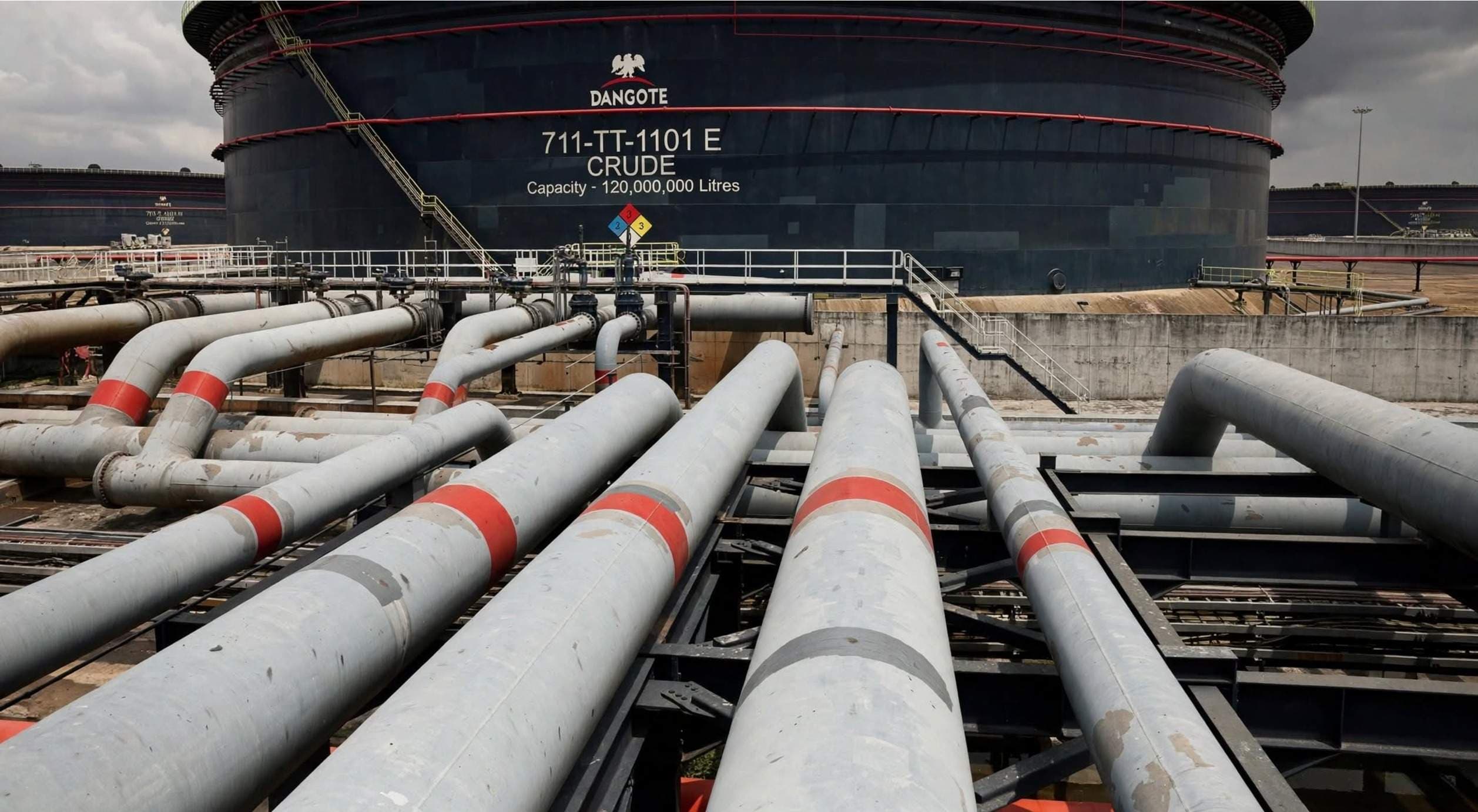
Crude is climbing again — and if you drive, fly, or pay an energy bill, you’ll feel it. Fresh fighting between the US and Iran has put the world’s most important oil route back on edge.
Oil is up again, and it is all about that familiar Middle East tension.
Brent crude rose 66 cents, or 0.7 per cent, to $91.15 a barrel at 06:40 GMT on Tuesday, while US West Texas Intermediate (WTI) added 70 cents, or 0.8 per cent, to $86.46. That builds on Monday’s sharp rally when Brent closed up 2.7 per cent, and WTI settled up 2.8 per cent, as first reported by cbinews.tv.
So, what’s spooked the market?
According to reports, President Donald Trump threatened further strikes against Iran on Monday, after weeks where the conflict had largely become an economic and sanctions standoff. The moment bombs start flying again, traders immediately price in the worst-case scenario.
“These bring the potential for Iranian retaliation back into the equation. That in turn raises the prospect of damage to energy infrastructure around the Gulf and adds fresh uncertainty for shipping through the Strait of Hormuz. Both of those risks are being reflected in the firmer tone in crude prices,” Tim Waterer, chief market analyst at KCM, told Reuters.
Why the Strait of Hormuz is everything
If you follow oil, you know this strait is the market’s Achilles heel. This narrow waterway between Iran and Oman — the shipping lanes are just two miles wide in each direction — carries roughly 20 per cent of global oil flows and a huge chunk of liquefied natural gas.
In 2024 alone, around 20 million barrels per day of crude and petroleum products moved through it, representing about 27 per cent of global maritime oil trade. Analysts often call Iran’s influence over it “nuclear-level leverage” for a reason.
History tells us how quickly things can unravel. Think back to 2019 when tankers were attacked off Fujairah, or January 2020 after the Soleimani strike when Brent spiked past $70 on war fears. Any threat to close or disrupt Hormuz — even verbally — tends to add a $5-$10 risk premium almost overnight.
The bigger picture
This latest jump comes after a volatile two years. After the post-Covid surge in 2022 when Brent topped $139, prices cooled through 2023-24 as US shale output rose and Chinese demand softened. But the US-Israel-Iran escalation has changed the maths completely. The World Bank recently noted that a full closure of Hormuz would be the largest oil market disruption in history, potentially crashing global supply by over 10 million barrels per day.
Right now, the market is not pricing a full closure — just the risk of it. That means damage to refineries, pipelines and export terminals around the Gulf, plus higher war-risk insurance for tankers.
For Nigerians and Britons alike, the knock-on is obvious: higher crude means higher petrol, diesel and jet fuel, even if you are an oil-producing nation. For Nigeria, which still imports refined products, a sustained rally above $90 squeezes both household transport costs and government subsidy calculations.
Keep an eye on Washington and Tehran. If the rhetoric cools, crude could drift back. If not, $100 oil is back on the table very quickly.
Source: cbinews.tv
#cbinews #OilPrices #BrentCrude #WTI #USIranTensions #StraitOfHormuz #EnergyCrisis #OilMarket