


Oil Price Crashes $9 as Strait of Hormuz Reopening Talks Begin
Last update: August 26, 2026
Disclaimer: This website may contain affiliate links, which means we may earn a commission if you click on the link and make a purchase. We only recommend products or services that we personally use and believe will add value to our readers. Your support is appreciated!
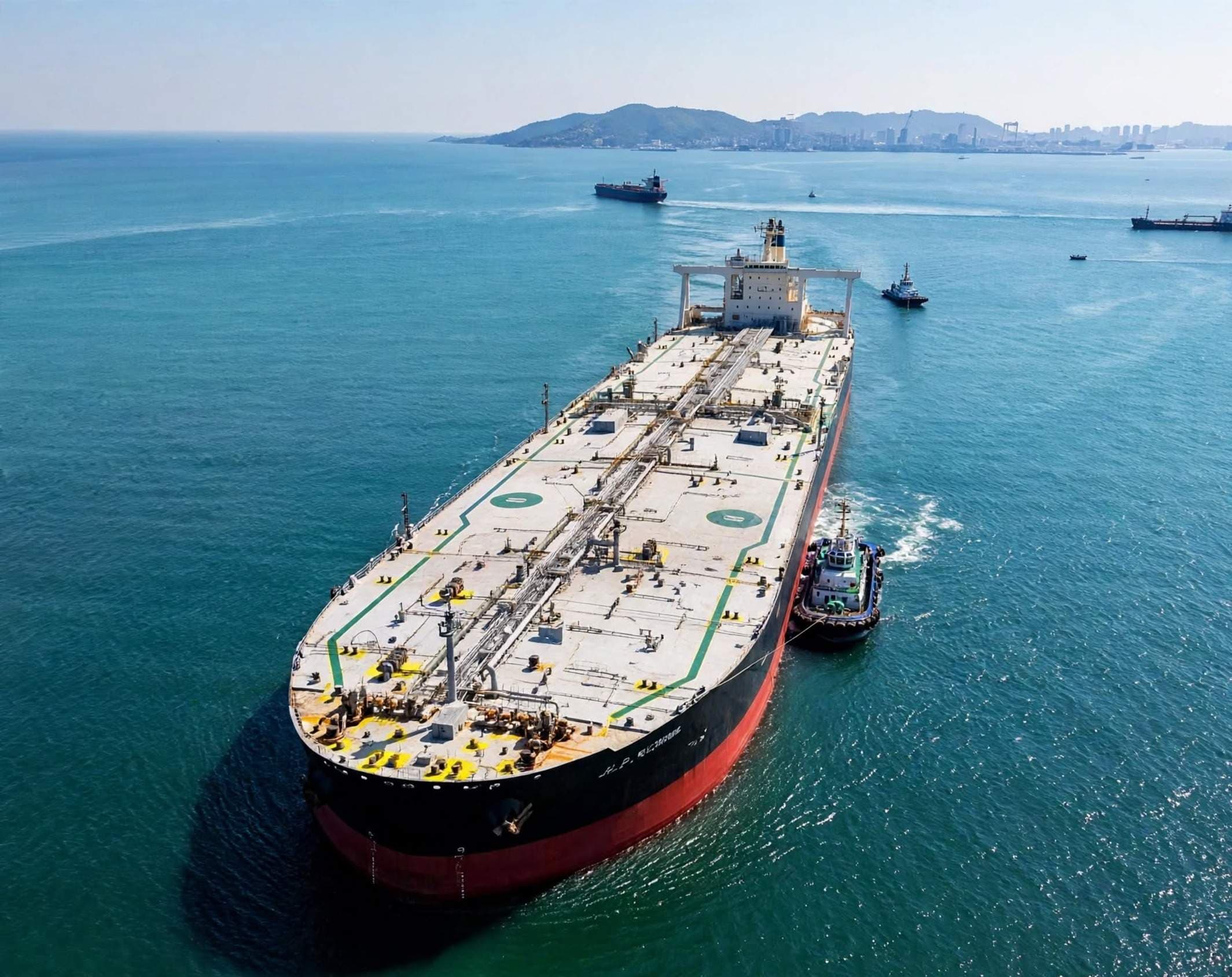
From almost $95 to $86 in a week — Brent has just wiped out nearly 10% in seven days, and the reason is that narrow stretch of water that terrifies every oil trader: the Strait of Hormuz.
CBINews.TV — So, let’s talk about what just happened, because it’s a proper market swing.
Brent crude futures fell to $86.28 a barrel on Wednesday, 26 August, down $2.30 or 2.6%, while US benchmark WTI slid $2.08 or 2.53% to about $80.29. That follows Tuesday’s bloodbath when both benchmarks dropped over 3%.
Do the maths and it’s a big move: nearly $9 a barrel, about 9.6% in seven days. On 20 August, Brent had spiked to $95.40 intraday before closing at $93.01. On Wednesday it was sitting **$9.12 below that intraday peak. Classic risk premium coming off.
So, what changed?
The Hormuz breakthrough — finally some good news
Iran said it has resumed talks with neighbour Oman on managing traffic through the Strait of Hormuz. On Tuesday, both sides said they had discussed a framework for a joint temporary navigational corridor and agreed to a joint project to clear mines from the waterway.
It’s still early days. Technical talks will continue over a permanent corridor, who administers what, and how vessel traffic services will work. But the tone has shifted. After weeks of intermittent discussions, there’s now a written framework on the table.
Why should you care? Because before the war, Hormuz carried roughly one-fifth of global oil and LNG. At its chokepoint, it’s only 21 miles wide. In the 1980s Tanker War, the 2019 limpet-mine attacks, and again in early 2026, any disruption there has meant a $10-$20 spike in days. Even now, Kpler ship-tracking data shows only five commercial vessels transited on Tuesday versus a 10-day average of 15 — so it’s still largely disrupted, but markets are pricing the hope of reopening.
Trump turns the economic screws
There’s a second layer. Recall On 20 August, President Donald Trump announced what he called “economic warfare” against Iran, warning countries, businesses and financial institutions providing Tehran with an economic lifeline would face severe consequences.
Washington has pivoted hard from military pressure to financial pressure after months of confrontation failed to produce a breakthrough. On Monday, the US expanded sanctions, hitting dozens of individuals, entities and shadow-fleet vessels linked to Iran’s oil, weapons and financial networks. The idea, Treasury says, is to cut off Iran’s economic lifelines and force it back to the negotiating table.
That’s why last week was so messy: sanctions = tighter supply = higher prices. Hormuz talks = looser supply = lower prices. Traders are whipsawed between the two.
For perspective, Brent was around $78-$82 in April 2026 (IMF baseline for this year was $82.22). The Iran conflict pushed it to $94.39 last Friday, its best week since late July. This week’s fall to $86 is essentially the market saying: maybe we don’t need that full war premium.
What it means for Nigeria — and your pocket
As CBINews.TV has been tracking, Nigeria lives this oil story twice — as seller and as buyer.
At the pump: When Brent was near $95, petrol in some Nigerian markets went above N1,200 per litre. Lower Brent plus lower war-risk premiums on freight and insurance should ease landing costs if the drop sticks.
On the farm to market road: This is crucial. NBS July data shows headline inflation eased to 15.43% from 15.91% in June, but food inflation rose to 20.31% year-on-year from 17.52%, with monthly food inflation accelerating to 5.56% from 3.75%. Moving yams from Benue or tomatoes from Jos to Lagos is a diesel story. Cheaper crude helps cool that.
But — and it’s a big but — a temporary corridor is not a permanent peace deal. Mines still need clearing, insurers still need to agree, and sanctions could tighten again. If Hormuz stalls, that 9.6% drop can disappear as fast as it came.
For now though, motorists and households will take it. A $9 fall in a week is the first real breathing space since June.
Source: cbinews.tv
#BrentCrude #WTI #OilPrices #StraitOfHormuz #IranOman #Trump #EconomicWarfare #CBINewsTV #NigeriaEconomy #FuelPrice #FoodInflation #NBS #EnergyMarkets