


Offshore Helicopter Levy: NUPRC Retains $300 fee, Drops TNC Charge
Last update: September 1, 2026
Disclaimer: This website may contain affiliate links, which means we may earn a commission if you click on the link and make a purchase. We only recommend products or services that we personally use and believe will add value to our readers. Your support is appreciated!
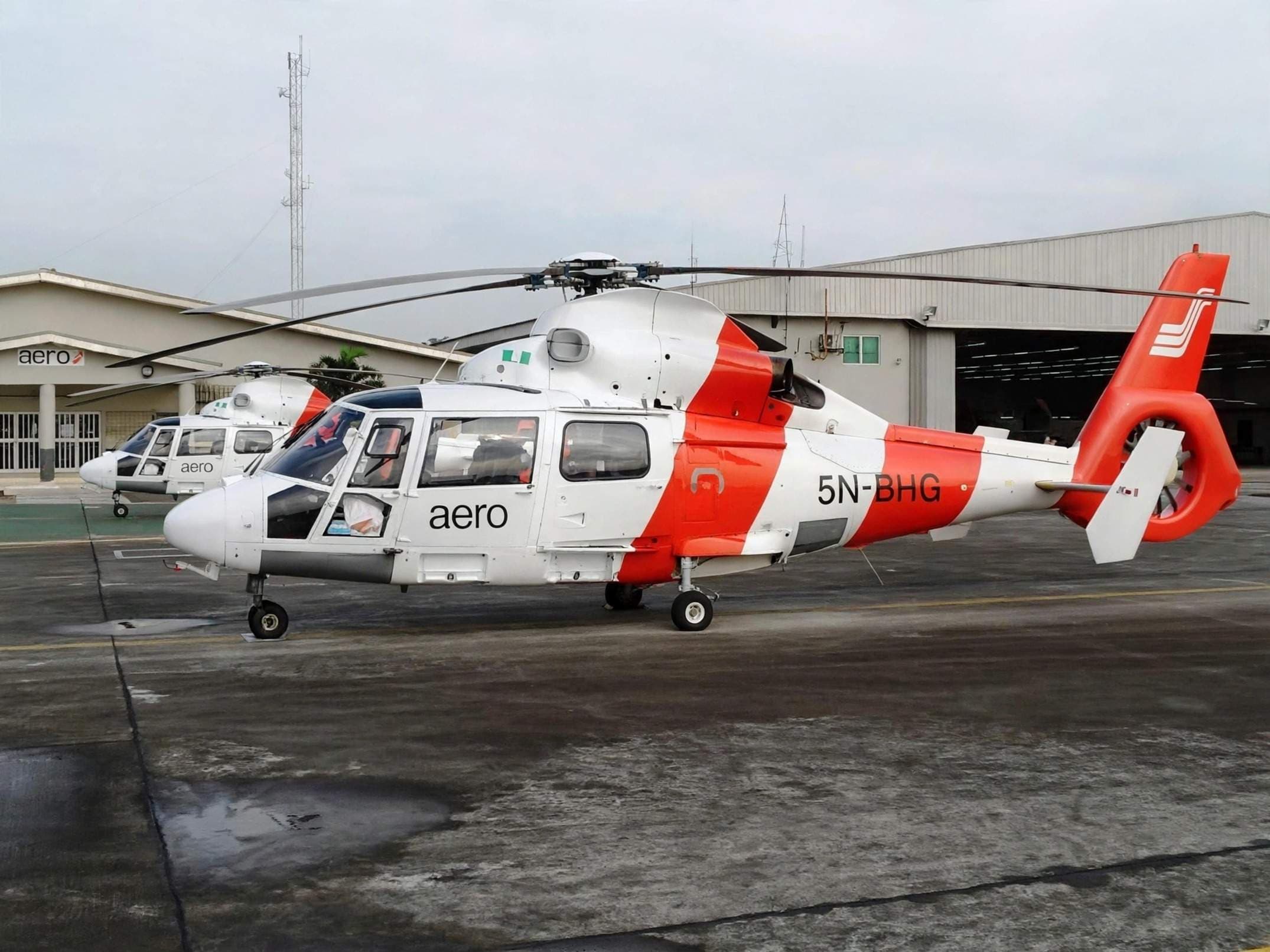
If you fly choppers to oil platforms in Nigeria, listen up — the regulator has finally cleared the air on which fee you actually have to pay.
The Nigerian Upstream Petroleum Regulatory Commission, NUPRC, has confirmed that the contentious $300 per landing levy is staying. According to a circular signed on Monday by Commission Chief Executive, Mrs Oritsemeyiwa Eyesan, and reported by cbinews.tv, the charge remains payable to the Nigerian Airspace Management Agency, NAMA, through its approved collection channel.
But — and this is the big win for operators — the Terminal Navigational Charge (TNC) will NOT apply to landings at private offshore facilities or oil platforms.
In the Commission's own words:
“The Terminal Navigational Charge (TNC) is payable only in respect of a landing at a government-owned aerodrome and does not apply to a landing at a private offshore facility or platform.”
The NUPRC clarified that the TNC will still apply to other helicopter operations — think medical evacuation, private charter and agricultural flights — just not to those supporting upstream petroleum operations.
Why this matters for your bottom line
The Commission says the $300 levy should now be treated as a statutory air navigation charge for cost-reporting purposes. It will issue further guidance on classification and reporting, including how to treat any TNC costs previously booked for upstream chopper services.
All upstream operators, licensees, lessees and their helicopter service providers have been told to align their contracts, invoicing and cost-recovery arrangements accordingly.
There is a security angle too. NAMA is to deploy low-altitude flight monitoring and surveillance systems to strengthen airspace governance and national security, with operators required to submit flight manifests, movement logs and offshore activity data. The specifics will come directly from NAMA.
Crucially, the NUPRC has drawn a line in the sand: no new or revised fee, levy or charge that directly affects upstream operations should be introduced without prior consultation with the Commission and relevant stakeholders, in line with Section 25 of the Petroleum Industry Act, 2021.
A bit of background — this levy has a history
This $300 charge has been a headache for over two years now.
Let's rewind:
April 2024: Federal Government mandated NAEBI Dynamic Concept Limited to collect $300 per helicopter landing at aerodromes, helipads, FPSOs, FSOs and oil platforms. Operators kicked against it, calling the collection mechanism opaque and unfair.
June 2024: Government suspended the levy and set up a committee after pushback from the Oil Producers Trade Section (OPTS), Independent Petroleum Producers Group (IPPG) and aviation stakeholders.
May 2025: The levy was reinstated, but with a twist — payment responsibility was shifted from helicopter operators themselves to the oil companies that hire them.
March 2026: After a high-level meeting between Aviation Minister Festus Keyamo and Petroleum Minister Heineken Lokpobiri, alongside NUPRC, IOCs and OPTS, enforcement was suspended again for two months to allow for review.
That review was led by a Ministerial Review Committee constituted on March 9, 2026, which finally produced this latest clarification.
Why helicopters are such a big deal in Nigeria's oil story
Nigeria produces around 1.3 to 1.5 million barrels of crude per day, with over 70% of that coming from offshore and deepwater assets in the Niger Delta. With over 200 offshore platforms, FPSOs and FSOs scattered across the Gulf of Guinea, helicopters aren't a luxury — they're the workhorse. Industry estimates suggest upstream operators log over 50,000 offshore helicopter landings annually, ferrying crew, engineers and equipment.
At $300 a pop, that is a multi-million-dollar annual cost line, which is why clarity on whether you pay one charge or two really matters.
For operators, this latest move brings some certainty. You pay the $300 levy to NAMA. You don't pay TNC offshore. And any future charges must come with consultation.
It's a compromise that keeps revenue flowing for airspace management while easing the double-charge burden on upstream players.
What do you make of it — fair settlement or still too pricey for offshore operations?
#NUPRC #NAMA #HelicopterLevy #OilAndGasNigeria #UpstreamOil #NigerianOilAndGas #PetroleumIndustryAct #AviationNigeria #OffshoreOperations #CBINewsTV