


NNPP Founder Calls for Media Push, Rejects Kwankwaso Influence
Last update: April 11, 2026
Disclaimer: This website may contain affiliate links, which means we may earn a commission if you click on the link and make a purchase. We only recommend products or services that we personally use and believe will add value to our readers. Your support is appreciated!
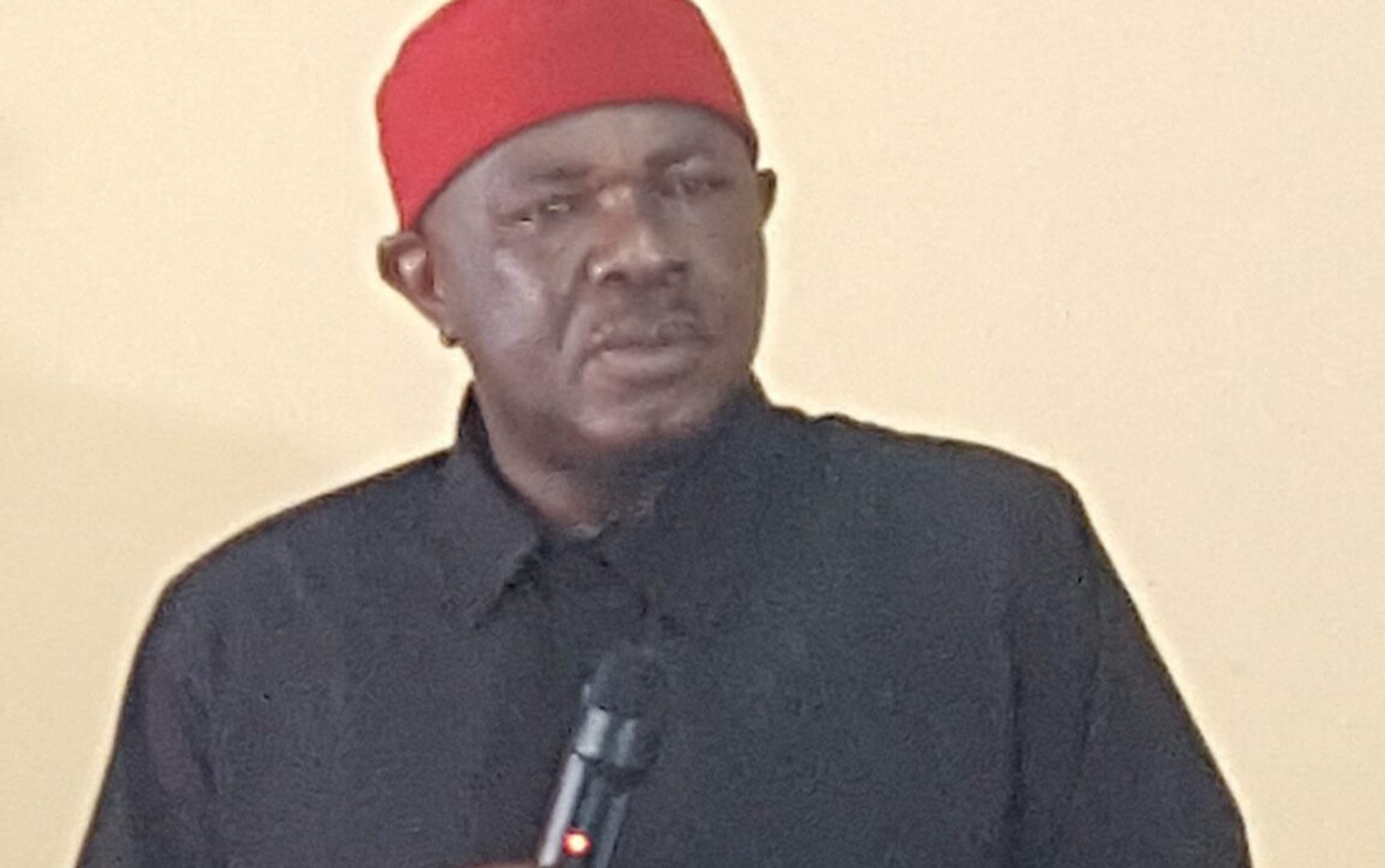
Aniebonam accuses Kwankwaso of undermining party....
The founder of Nigeria’s New Nigeria Peoples Party (NNPP), Boniface Aniebonam, has called on party members nationwide to establish media teams to promote the party’s activities, describing communication as central to its political strategy.
In a statement, Aniebonam said executives at national, zonal, state and local levels should leverage social media to publicise the party, noting that “everyone is now a journalist or reporter.”
He accused former NNPP presidential candidate Rabiu Kwankwaso and his allies of attempting to undermine the party, insisting they had long been expelled and no longer had influence.
“Propaganda is 90% of war and indeed we have been at war,” he said, urging members to remain visible and active across platforms to attract new supporters.
Aniebonam reiterated that the NNPP was not part of any political coalition and had no plans to join one, adding that the party considered itself a “responsible partner” rather than an opposition force.
He also called for issue-based engagement, discouraging personal attacks except in self-defence, and urged members to intensify grassroots mobilisation and membership registration ahead of the 2027 elections.
The NNPP founder said the party intended to field candidates in all elective positions, including the presidency, and dismissed claims of a drift toward a one-party system in Nigeria as unfounded.
Aniebonam further disclosed that some former members aligned with Kwankwaso had sought to return to the party, alleging dissatisfaction with their previous leadership.
He urged unity within the NNPP and encouraged members to remain law-abiding while working toward what he described as the party’s eventual victory.