


Nnamdi Kanu: A Case of Selective Justice in Nigeria?
Last update: November 25, 2025
Disclaimer: This website may contain affiliate links, which means we may earn a commission if you click on the link and make a purchase. We only recommend products or services that we personally use and believe will add value to our readers. Your support is appreciated!
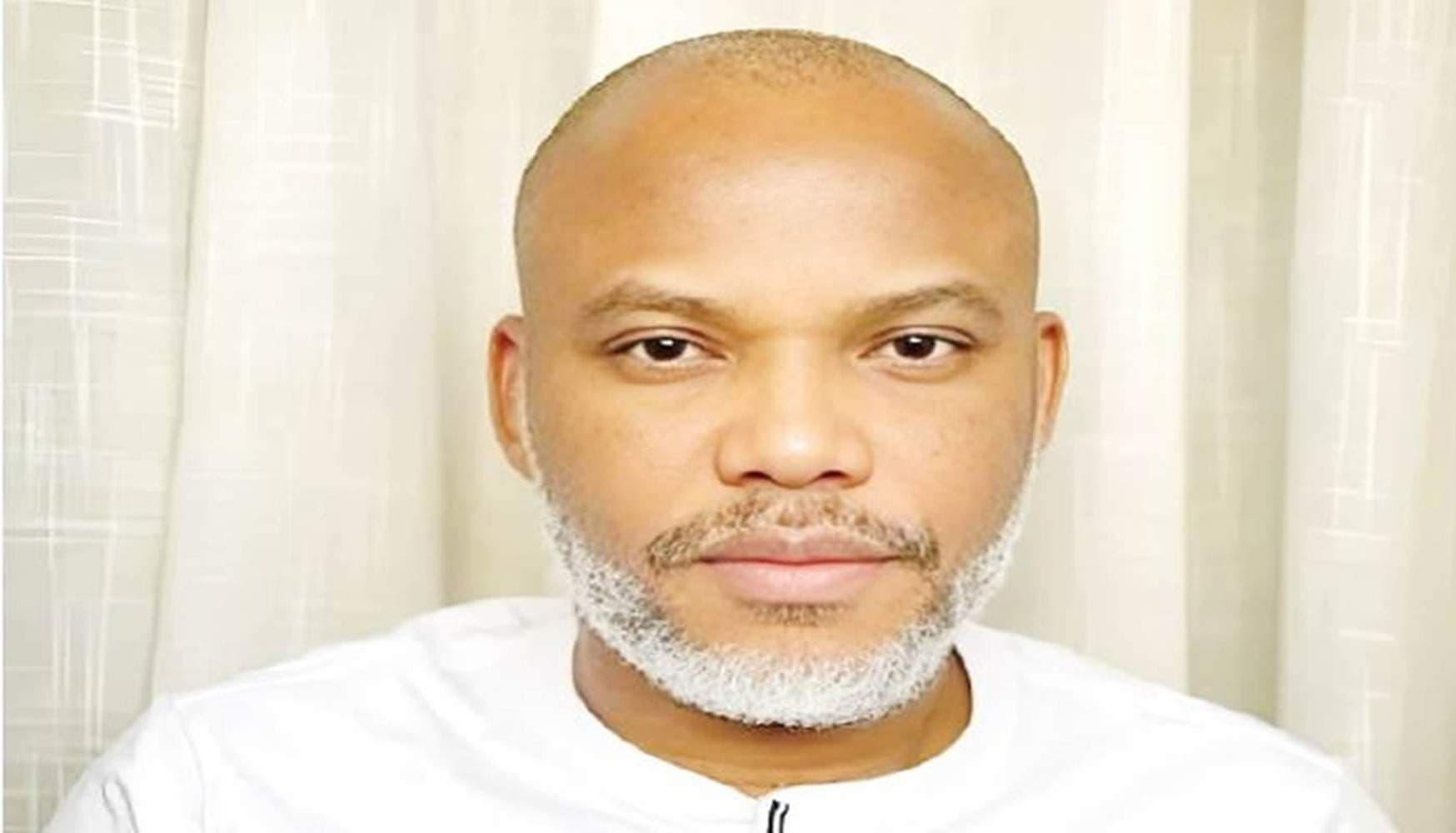
Nnamdi Kanu: A Case of Selective Justice in Nigeria?
The conviction and life imprisonment of Nnamdi Kanu, the fiery leader of the Indigenous People of Biafra (IPOB), has reignited fierce debates over "selective justice" in Nigeria's fractured legal landscape. For supporters, Kanu is a symbol of unyielding resistance against marginalization; for critics, he embodies a dangerous agitator whose rhetoric fueled chaos. As of November 20, 2025, a Federal High Court in Abuja handed down the sentence, convicting him on all seven terrorism-related counts after a protracted, drama-filled trial spanning nearly a decade. This ruling, delivered amid courtroom outbursts that led to Kanu's ejection, has deepened ethnic fault lines, drawing accusations of bias while underscoring broader tensions around self-determination, security, and equity under the law.
The Verdict: A Decade of Legal Limbo Culminates
Kanu's odyssey through Nigeria's courts began in 2015 with his initial arrest on charges of criminal conspiracy, intimidation, and belonging to an illegal organization. Released on bail, he fled abroad, only to be dramatically re-arrested in Kenya in June 2021 through what his team calls an "extraordinary rendition"—a covert operation Interpol later disavowed. Extradited to Nigeria against his will, Kanu has languished in Department of State Services (DSS) custody ever since, enduring a trial marked by procedural skirmishes, health concerns, and repeated refusals to mount a defense.
On November 20, Justice James Omotosho convicted Kanu of inciting violence via Radio Biafra broadcasts, enforcing unauthorized "sit-at-home" orders that paralyzed the Southeast, and illegally importing radio equipment—all deemed acts of terrorism under the Terrorism (Prevention) Act. Prosecutors, who sought the death penalty, presented evidence including video clips of Kanu's threats against security forces and civilians, arguing his words orchestrated attacks and eroded national security. Omotosho, opting for "mercy" amid global scrutiny of capital punishment, imposed life imprisonment instead, ordering Kanu's transfer to "protective custody" outside Kuje Prison—prompting his relocation to a facility in distant Sokoto State, far from his Igbo heartland.
Kanu, ejected from court for "unruly behavior," boycotted much of the proceedings, insisting the charges rested on repealed laws and that his rendition invalidated the trial. His lead counsel, Aloy Ejimakor, decried the Sokoto transfer as a "plot to sabotage his 90-day appeal window," citing restricted access to lawyers and medication amid Kanu's reported health decline. IPOB, labeling the verdict a "premeditated sham," vows to escalate to international bodies, insisting no weapons or direct witnesses linked Kanu to violence.
Echoes of Disparity: Why "Selective Justice" Resonates
At its core, the outcry stems from perceived double standards in prosecuting dissent. Kanu's life term starkly contrasts with leniency toward other agitators and insurgents. Supporters, including Igbo leaders, human rights groups like Amnesty International, and even some politicians, argue Kanu's punishment exceeds that of "actual terrorists" in the North, violating Sections 36 (fair hearing) and 42 (non-discrimination) of Nigeria's Constitution. They decry the trial's reliance on "unserved evidence" and repealed statutes, framing it as ethnic persecution rooted in post-Civil War grudges. Recent X posts amplify this: "Nnamdi Kanu betrayed Ndiigbo? No—he sacrificed for us," one user lamented, while another fumed, "Gumi walks free; Kanu rots for words."
Pro-government voices counter that Kanu's incitement directly spurred violence—attacks on police stations, economic shutdowns in the Southeast—necessitating firm deterrence. Analysts note the trial's due process: five witnesses, multiple defense opportunities (all declined), and a judge who urged participation. Yet, the optics—Kanu's British citizenship ignored by the UK despite court concerns, and his isolation in Sokoto—fuel narratives of targeted suppression of southern voices.
Ripples: From Streets to Global Stages
The sentence has sparked immediate fallout. Protests erupted in Enugu, Lagos, and diaspora hubs like London, with hashtags #FreeNnamdiKanu trending alongside church sermons decrying "Igbo persecution." Southeast governors' silence has drawn ire, seen as political timidity. Economically, fears of renewed sit-at-home enforcements loom, exacerbating the region's insecurity and stagnation.
Internationally, Human Rights Watch and Amnesty have condemned the "unlawful rendition" and trial flaws, urging sanctions. UK courts, citing Kanu's dual citizenship, previously ruled his abduction illegal, yet diplomatic pressure remains tepid. Activists push for UN intervention or a referendum on Biafran self-determination, echoing IPOB's non-violent roots—though Kanu's rhetoric often blurred those lines.
For Kanu's inner circle, the personal toll is profound: his family accuses the state of "slow assassination" via denied healthcare, vowing an appeal that could reach the Supreme Court or ECOWAS. Broader Igbo sentiment ties this to historical wounds—the 1967-1970 Civil War's scars, perceived post-war neglect—viewing Kanu not just as a litigant, but a proxy for collective defiance.
Beyond the Bars: A Nation's Reckoning
Kanu's fate transcends one man's cell; it's a litmus test for Nigeria's unity. To proponents of equity, it exposes a judiciary weaponized against southern separatists while northern insurgents receive olive branches. To security hawks, it's overdue accountability for a figure whose words ignited real bloodshed. As appeals unfold—potentially dragging into 2026—the specter of unrest hangs heavy. Will political dialogue, amnesty, or reform bridge these divides? Or will this verdict, like the Biafran flag Kanu championed, become another emblem of unresolved grievances?
In a nation where justice often bends to ethnicity and power, Kanu's story compels a hard question: Is the law blind, or merely selective in its gaze? The coming months, from Sokoto's shadows to Abuja's halls, will tell.