


Nine Months on, AFCON 2025 Final Still has no Champion
Last update: October 8, 2026
Disclaimer: This website may contain affiliate links, which means we may earn a commission if you click on the link and make a purchase. We only recommend products or services that we personally use and believe will add value to our readers. Your support is appreciated!
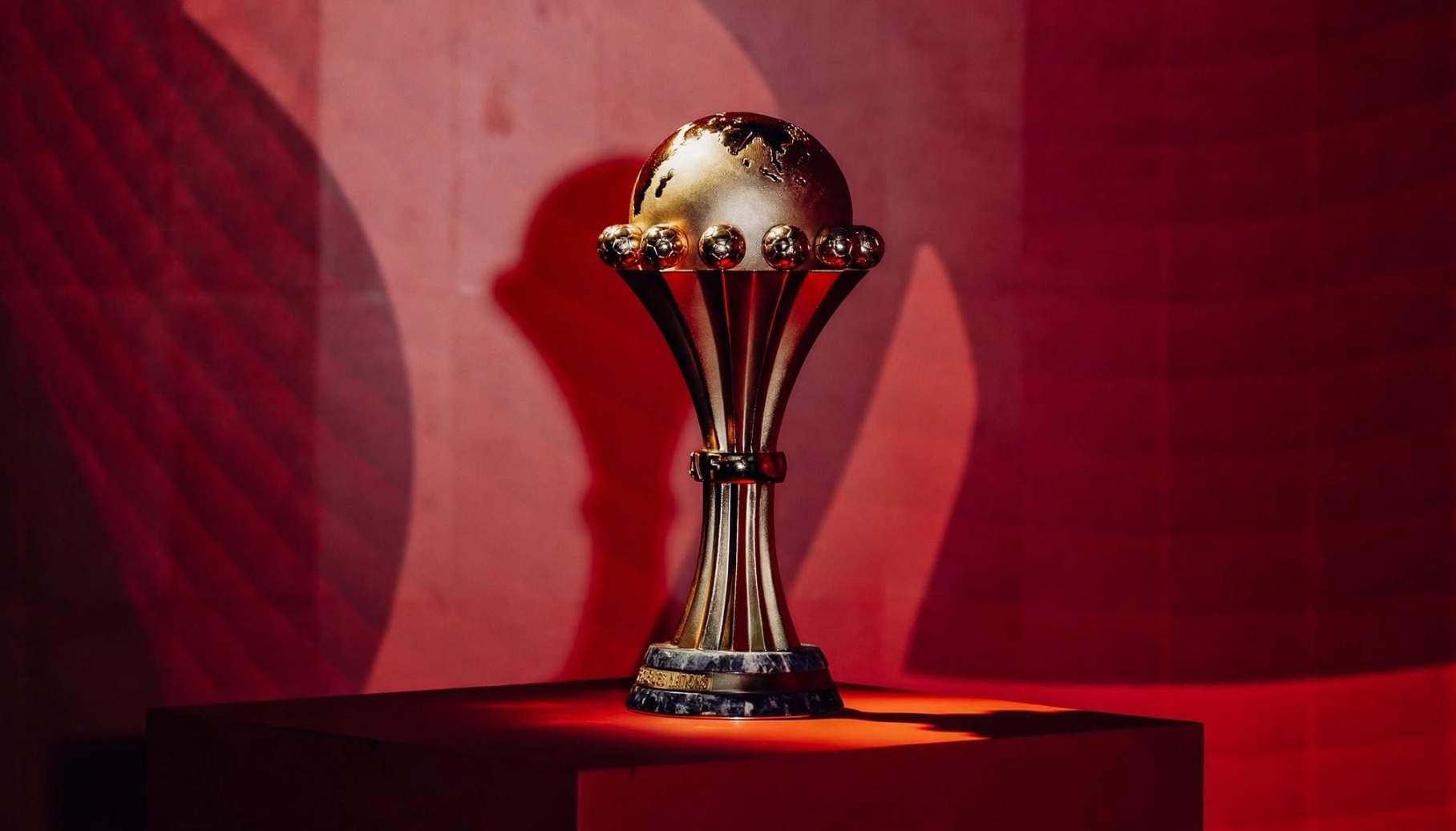
When Football Leaves the Pitch and Enters the Courtroom
Imagine waiting 50 years for a trophy, having 66,000 fans screaming you home, being handed a 98th-minute penalty to win it all — and then watching it all unravel. Now imagine winning it, lifting it, celebrating it, only to be told months later you didn’t.
That’s exactly where we are with the 2025 Africa Cup of Nations final. And as cbinews.tv can reveal, the most dramatic AFCON final in history won’t be decided by a goal, but by a gavel.
On Thursday, sport’s supreme court — the Court of Arbitration for Sport (CAS) in Lausanne — will finally hear Senegal’s appeal against being stripped of the title they won in January against hosts Morocco. The kicker? Don’t expect an answer on the day.
Welcome to the final that has now lasted nine months.
So, what actually happened in Rabat?
For context, Morocco hadn’t won AFCON since 1976. That’s 49 years of hurt. Senegal, by contrast, are Africa’s new powerhouse — winners in 2021 and finalists in 2019 and 2022. The stage was set.
In front of a deafening, sold-out home crowd, the game was goalless and tense. Then stoppage-time chaos:
First, Senegal thought they’d won it when Ismaila Sarr smashed home in the 90th+ minute — only for referee Ndala to rule he’d already blown for a Moroccan free-kick.
Then, in the 98th minute, after a long VAR check, Ndala pointed to the spot for Morocco.
All hell broke loose. Coach Pape Thiaw led a clutch of Senegal players and staff down the tunnel in protest. In the stands, fans clashed with security. The images went global — and badly dented Morocco’s pride as hosts. Remember, this was the first AFCON Morocco had hosted since 1988, a tournament they’d poured billions into as a dry run for the 2030 World Cup.
When order was restored, football delivered one last twist. In the 124th minute, Brahim Diaz, Morocco’s golden boy, had the chance to be immortal. He tried a cheeky Panenka penalty. Mendy, his former Chelsea teammate, caught it like a training drill.
Sixty seconds later, Pape Gueye lashed in a winner. Senegal 1-0 Morocco. Trophy lifted. Or so we all thought.
Why was the result overturned?
This is where it gets legal. The Royal Moroccan Football Federation (FMRF) immediately protested to CAF, citing Article 82 under the chapter “Withdrawals”.
It’s brutally clear: “If, for any reason whatsoever, a team… leaves the ground before the regular end of the match without the authorisation of the referee, they shall be considered the loser and shall be eliminated.”
In March, CAF’s independent Appeals Board agreed. They declared Senegal had forfeited, awarding Morocco a 3-0 walkover victory.
Senegal’s federation (FSF) called it “unfair, unprecedented and unacceptable.” And they have a point that many ex- CAF officials share — historically, only the referee on the day can abandon a match for a walk-off, not a committee two months later. There is precedent for CAF overturning results in qualifiers for fielding ineligible players, but never for a walk-off in a final.
The FSF has now taken the fight to CAS.
Two Sacked Managers and a Tarnished Party.
Forget tactics. This story is about pride and perception.
For Morocco’s players and the 66,000 fans in Rabat, Diaz’s missed Panenka is a wound that still hasn’t healed. For Senegal’s stars — Mendy, Sarr, Gueye — they celebrated, flew home as heroes, and then had the trophy taken away on paper.
Both managers have already paid with their jobs. Thiaw was sacked after Senegal crashed out in the last-32 of the World Cup. Regragui, the man who took Morocco to a historic World Cup semi-final in 2022, was dismissed in March, with the final fallout thought to have played a part.
And then there are the smaller, human moments that fuelled the fury: Senegal accused Moroccan ball boys of hiding Mendy’s towel and even claimed reserve keeper Yehvann Diouf was tackled to the ground by three ball boys when he tried to retrieve it. There were also complaints about laser pens being shone in Senegalese players’ eyes.
The FMRF hierarchy felt the walk-off tarnished the image of the whole tournament. The FSF and Senegal’s government feel it proves what many across the continent whisper — that Morocco holds too much sway within CAF.
Why Does This Matter?
What is CAS and what can it do?
Founded in 1984, CAS is sport’s highest court. Based in Lausanne, it handles over 900 cases a year from more than 50 sports — from doping to transfer fees. If your federation recognises CAS, its decision is final, save for a tiny technical appeal to the Swiss Federal Tribunal.
This case will be heard by three arbitrators, led by 76-year-old French sports law legend Gérald Simon, who has been a CAS member for 23 years. If they can’t agree, Simon decides.
They can do three things:
1. Uphold CAF’s decision — Morocco remain champions 3-0.
2. Overturn it completely — Senegal’s 1-0 extra-time win stands.
3. Find a middle ground — for example, order a replay or a different sanction, though a replay nine months on is almost unheard of.
The Bigger Fallout:
Whatever happens, CAF loses. If CAS overturns the ruling, it will be seen as another sign of chaotic governance. CAF President Patrice Motsepe has already said they will “adhere to” and “respect” whatever CAS decides.
Crucially, the game has already changed. In April, football’s law-makers, IFAB, introduced a new rule directly because of Rabat: “The referee may sanction with a red card any player who leaves the field of play in protest… A team that causes a match to be abandoned will, in principle, forfeit the match.” In other words, what happened in Rabat is now explicitly illegal in the Laws of the Game.
What Happens Next?
Thursday’s hearing is private and expected to finish Thursday afternoon. CAS has already warned us: no same-day verdict.
Under its own code, CAS should deliver a verdict within three months, with a hard limit of four. For reference, when Manchester City appealed UEFA’s Champions League ban in 2020, the hearing was 8 June, and the verdict came 13 July — just over a month.
So, we could know by November. Or we could be waiting until early 2026 — just months before the next AFCON kicks off in June/July 2026. Imagine going into a new tournament without knowing who the reigning champions actually are.
That next tournament is exactly why this rivalry now matters so much. Morocco vs Senegal is now Africa’s box-office clash — Africa’s two top-ranked teams, both stacked with European stars, both with a point to prove.
Everyone agrees on one thing: the next chapter should be settled on the pitch, not in a courtroom.
Source: cbinews.tv
#AFCON2025 #AFCONFinal #Morocco #Senegal #CAS #CAF #FootballNews #AfricanFootball #BrahimDiaz #EdouardMendy #Rabat #CourtOfArbitrationForSport #cbinewstv