


Nigerian Court Halts Sanctions on Broadcasters Over Opinions in Landmark Free Speech Ruling
Last update: May 6, 2026
Disclaimer: This website may contain affiliate links, which means we may earn a commission if you click on the link and make a purchase. We only recommend products or services that we personally use and believe will add value to our readers. Your support is appreciated!
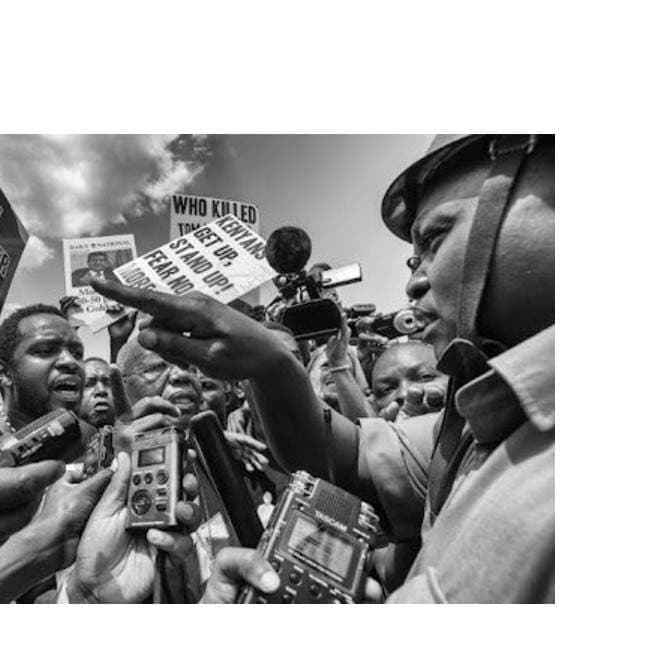
In a major win for press freedom, a Lagos court has stopped the National Broadcasting Commission, NBC from punishing broadcasters for expressing opinions—setting the stage for a legal battle that could redefine media regulation in Nigeria.
CBI News reports that the Federal High Court in Nigeria sitting in Lagos has restrained the National Broadcasting Commission (NBC) from enforcing controversial provisions aimed at sanctioning broadcasters over alleged bias, personal opinions, or lack of neutrality.
The ruling, delivered by Justice Daniel Osiagor, followed an ex parte application filed by the Socio-Economic Rights and Accountability Project (SERAP) and the Nigerian Guild of Editors (NGE).
The groups challenged what they described as an unlawful attempt by the NBC to regulate broadcast content in a way that could suppress freedom of expression and undermine journalistic independence.
In his interim order, Justice Osiagor barred the NBC and its agents from enforcing specific sections of the 6th Edition of the Nigeria Broadcasting Code that allow sanctions, fines, or penalties against stations and presenters over perceived opinions or bias.
The judge ruled that these provisions must remain suspended pending the determination of the substantive suit, effectively shielding media organisations from immediate regulatory penalties.
According to the applicants, represented by senior advocate Adeyinka Olumide-Fusika, SAN, the disputed sections of the Broadcasting Code are vague, overly broad, and open to abuse—posing a serious threat to democratic discourse.
They argued that journalism inherently involves opinion, analysis, and commentary, all of which are protected under Section 39 of the Nigerian Constitution and international legal frameworks such as Article 9 of the African Charter on Human and Peoples’ Rights and Article 19 of the International Covenant on Civil and Political Rights (ICCPR).
SERAP and NGE further maintained that restricting broadcasters from expressing opinions amounts to prior censorship and could encourage self-censorship, particularly as Nigeria approaches the 2027 general elections.
In a joint reaction, both organisations welcomed the court’s decision, describing it as a significant victory for media freedom, constitutional governance, and the rule of law.
They emphasized that regulatory bodies like the NBC must operate within constitutional limits and avoid imposing arbitrary restrictions that could stifle press freedom.
The case has been adjourned to June 1, 2026, when the court is expected to hear the substantive motion and determine the legality of the contested provisions.
As the legal battle unfolds, the outcome could have far-reaching implications for how media regulation, free speech, and journalistic expression are balanced in Nigeria’s democratic landscape.
#MediaFreedom #FreeSpeech #NBC #SERAP #NGE #BreakingNews #NigeriaNews #PressFreedom #RuleOfLaw #Journalism #FreedomOfExpression