


Nigeria Spent N6.54 Trillion on Auto Parts Imports in Two Years – NADDC
Last update: May 13, 2026
Disclaimer: This website may contain affiliate links, which means we may earn a commission if you click on the link and make a purchase. We only recommend products or services that we personally use and believe will add value to our readers. Your support is appreciated!
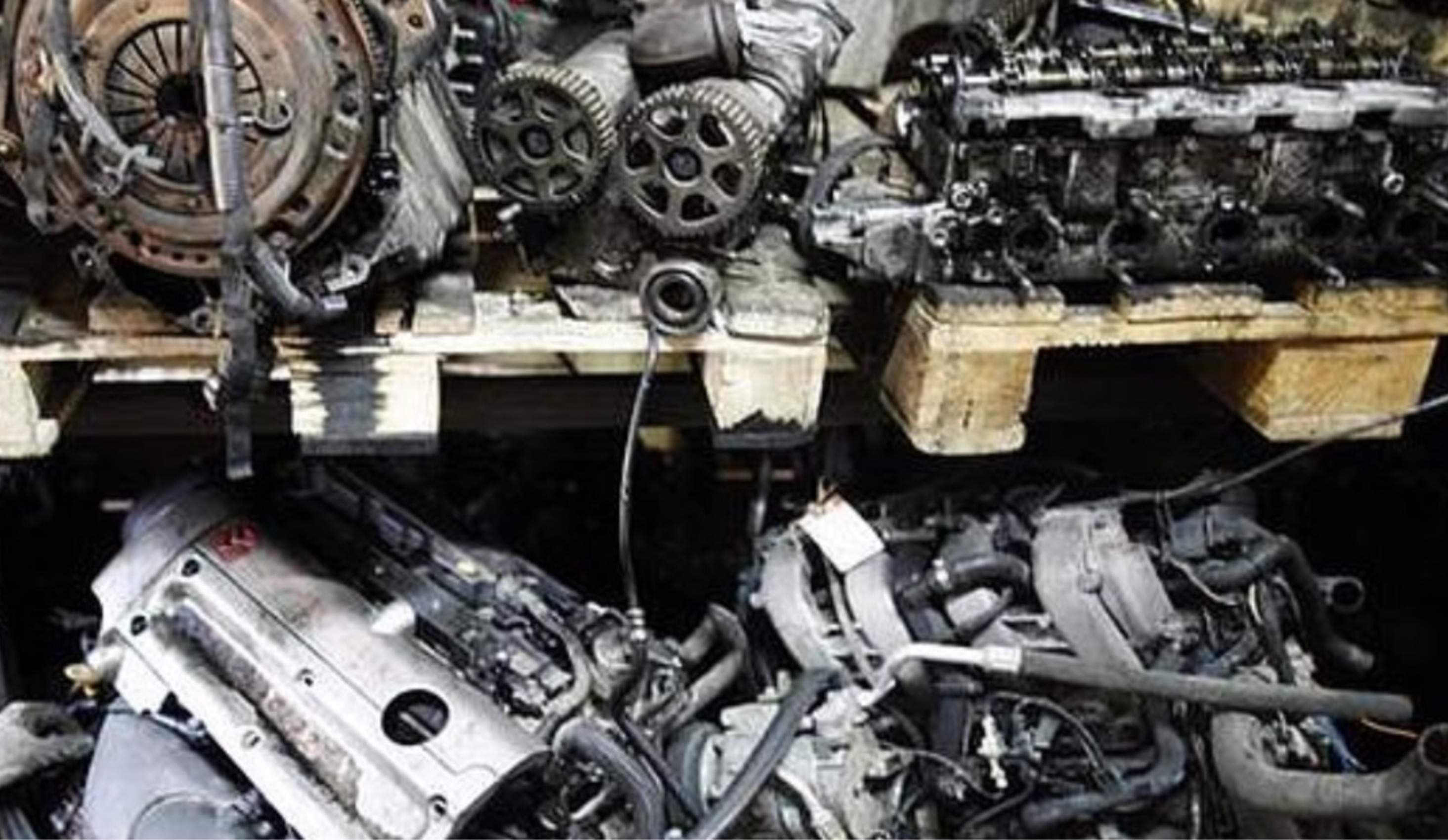
Nigeria’s auto import bill has more than doubled in just two years, with officials warning that weak local production and poor after-sales support are slowing the growth of the country’s automotive industry.
According to a report by cbinews.tv, Nigeria spent a massive N6.54 trillion on transport equipment and auto parts between 2023 and 2025, highlighting the country’s growing dependence on imported vehicles and spare parts.
The Director-General of the National Automotive Design and Development Council (NADDC), Oluwemimo Osanipin, disclosed this on Tuesday during the opening of the West African Automotive Summit in Lagos.
Osanipin described the rising import bill as a serious concern for Nigeria’s local automotive industry, stressing the urgent need to improve after-sales services, technical support, and consumer confidence in locally assembled vehicles.
Citing figures from the National Bureau of Statistics (NBS), he revealed that Nigerians spent more than N4.3 trillion on vehicle imports alone within the period. He added that total imports of transport equipment and spare parts rose from N3.15 trillion in 2023 to N6.54 trillion in 2025 — representing a 107 per cent increase in just two years.
Speaking on the summit’s theme, “After-Sales as a Growth Engine,” the NADDC boss explained that the success of Nigeria’s automotive sector depends not only on selling vehicles but also on building strong maintenance services, spare parts supply chains, warranties, technical support, and customer engagement.
He noted that countries with thriving automobile industries have strong after-sales systems that support local manufacturing, create jobs, and boost customer trust.
Osanipin further stated that improving after-sales support is key to the Federal Government’s automotive development plans and could encourage more Nigerians to embrace locally assembled vehicles.
He warned that poor customer service and lack of reliable support discourage investment and weaken public confidence in the industry, while efficient after-sales service can drive repeat patronage and expand market opportunities.
The NADDC DG also stressed the importance of continuous training for technicians and service personnel, especially as Nigeria gradually moves towards electric and hybrid vehicle technologies.
According to him, the council is already partnering with stakeholders on technical training, skills acquisition programmes, and policy initiatives aimed at improving standards across the automotive sector.
He also urged automobile companies, dealers, and service providers to invest more in customer support infrastructure and genuine spare parts distribution networks across the country.
#Nigeria #AutomotiveIndustry #NADDC #VehicleImports #AutoParts #Lagos #ElectricVehicles #BusinessNews #CBINews #NigeriaEconomy