


Nigeria "Paid Boko Haram Ransom" for Kidnapped Pupils- Report
Last update: February 24, 2026
Disclaimer: This website may contain affiliate links, which means we may earn a commission if you click on the link and make a purchase. We only recommend products or services that we personally use and believe will add value to our readers. Your support is appreciated!
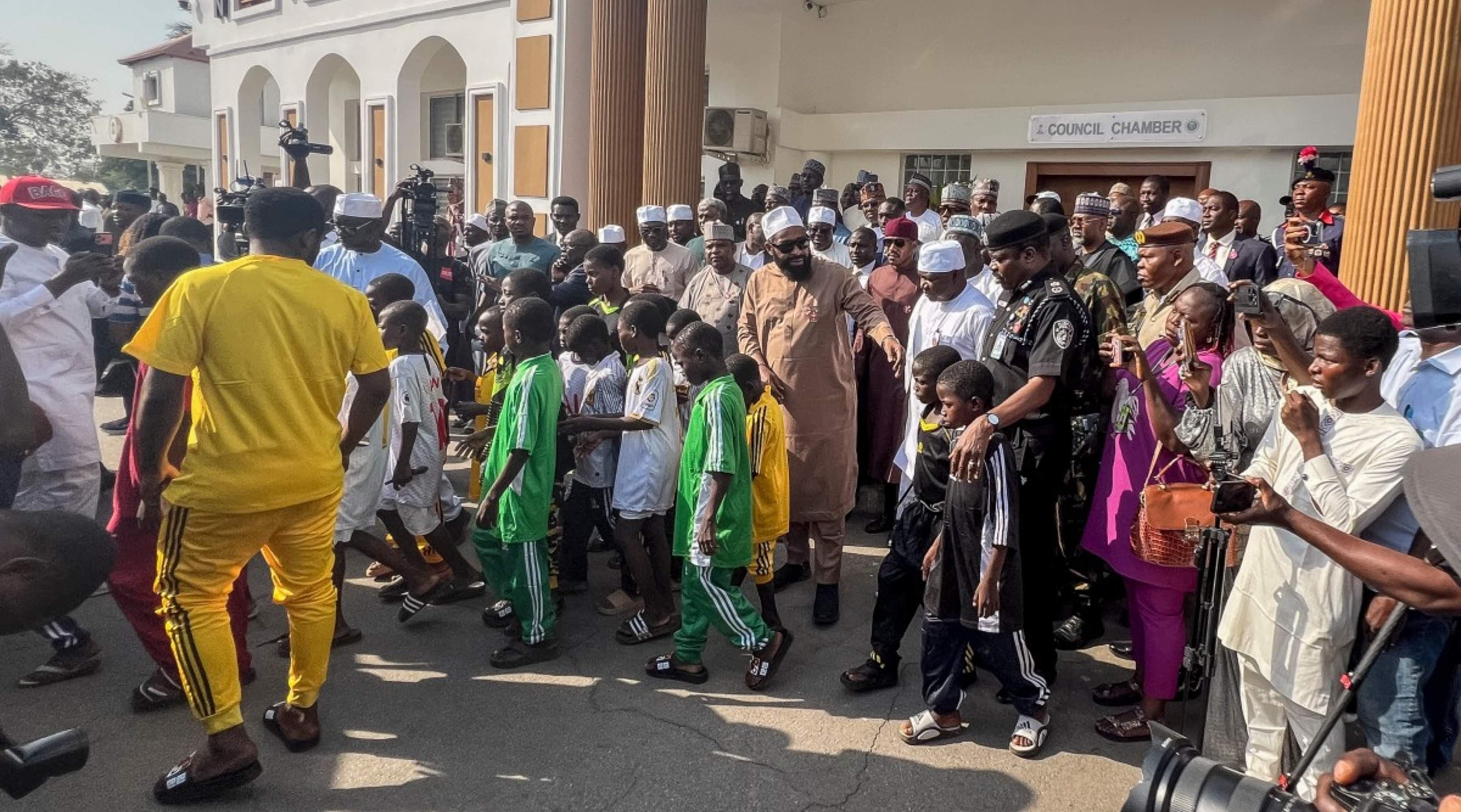
The pupils and staff were kidnapped from St. Mary’s boarding school in Papiri, in central Niger state, on Nov. 21. At least 50 later escaped...
Nigeria paid millions of dollars in ransom to secure the release of up to 230 children and staff abducted from a Catholic school in November, intelligence sources told AFP, contradicting official denials by authorities.
Four intelligence sources familiar with the negotiations said the government agreed to pay a “huge” ransom to militants from Boko Haram, which has waged an insurgency in northeastern Nigeria since 2009.
The sources told the AFP that two Boko Haram commanders were also freed as part of the deal, a move that contravenes a 2022 law banning ransom payments.
Report says the funds were flown by helicopter to the group’s stronghold in Gwoza, in Borno state near the Cameroon border, and handed to a local commander known as Ali Ngulde. Due to limited communications in the area, the commander reportedly crossed into Cameroon to confirm receipt before an initial group of 100 children was released.
The government has repeatedly denied paying any ransom.
Nigeria’s State Security Service said: “Government agents don’t pay ransoms,” though a spokesperson added that families could not be prevented from securing the freedom of relatives on their own.
National Security Adviser Nuhu Ribadu did not respond to requests for comment. His office has previously maintained that several hostage releases were secured without money changing hands.
One source estimated the ransom at 40 million naira per captive, or roughly $7 million in total. Another put the amount at about two billion naira overall.
Although Boko Haram had not initially claimed responsibility, intelligence sources said the abduction was orchestrated by a faction led by a commander known as Sadiku, who is suspected of masterminding a 2022 attack on a train between Abuja and Kaduna.
The mass abduction occurred amid diplomatic tension after U.S. President Donald Trump alleged persecution of Christians in Nigeria. Analysts and Nigerian officials have rejected that characterisation, noting that victims of kidnappings span religious lines.
Security analysts say kidnapping has evolved into a profit-driven industry, fuelled by poverty and weak law enforcement.
Authorities have previously been accused of quietly paying ransoms in high-profile cases. In 2020, officials in Katsina state were reported to have paid for the release of 340 schoolboys abducted from Kankara.
Government representatives dismissed as “fake news” reports that ransom for the St. Mary’s pupils was delivered by helicopter, calling the claim “laughable” and “almost unimaginable.”
But analysts in northern Nigeria said armed groups rarely release large numbers of captives without payment.
Nigeria criminalised ransom payments in 2022, with penalties of up to 15 years in prison, but enforcement has been inconsistent as kidnappings continue across several regions of the country.