

Nigeria Expels US Missionary Alex Barbir
Last update: April 7, 2026
Disclaimer: This website may contain affiliate links, which means we may earn a commission if you click on the link and make a purchase. We only recommend products or services that we personally use and believe will add value to our readers. Your support is appreciated!
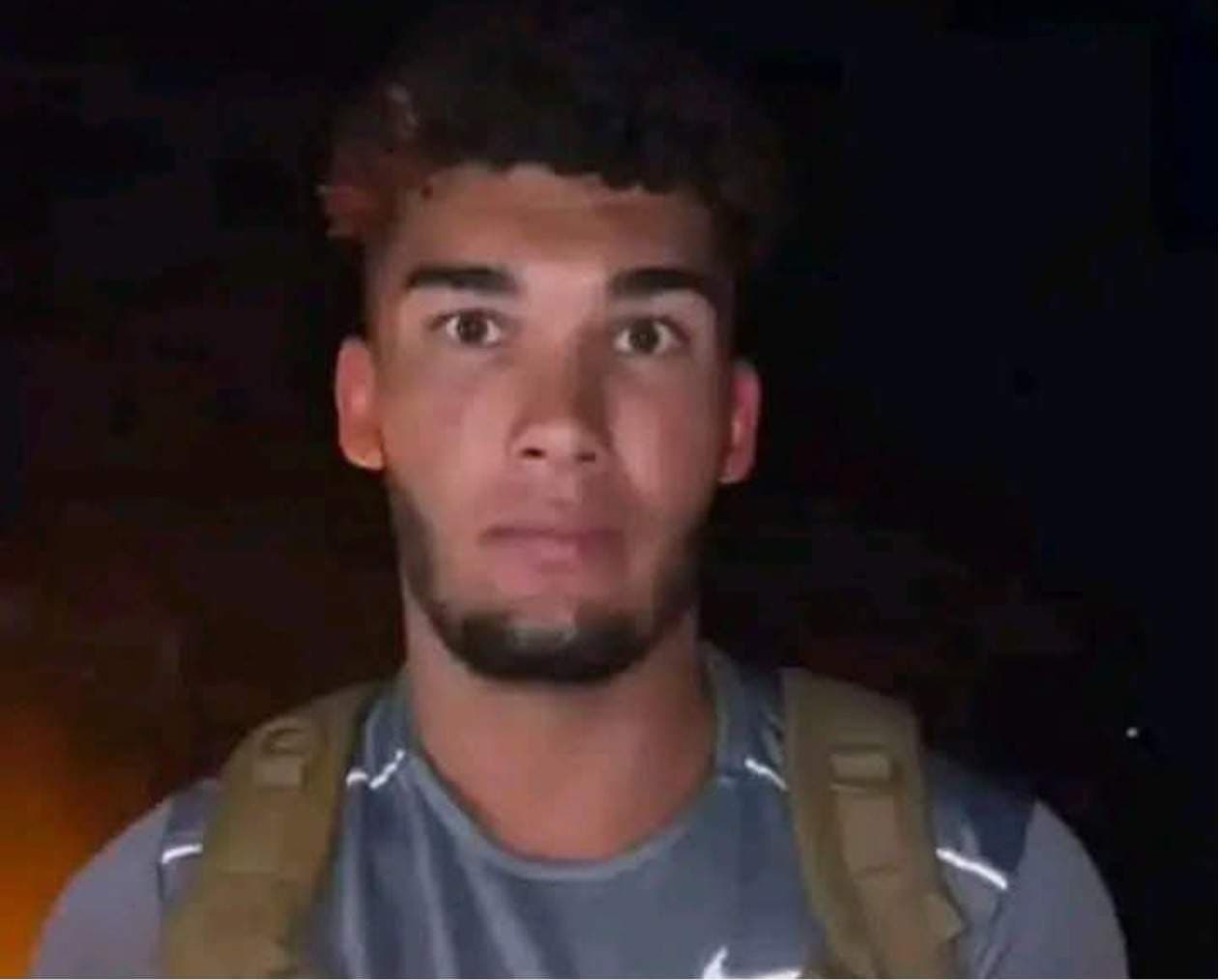
Missionary Alex Barbir sent out of Nigeria over security concerns...
The Nigerian government has expelled American missionary Alex Barbir, citing inflammatory statements that authorities say threatened national unity in the North-central region, particularly Plateau State.
CBI News reports that Abiodun Essiet, senior special assistant to President Bola Tinubu on Community Engagement (North Central), confirmed the action in a TVC interview, saying Barber’s activities “posed a serious threat to national unity.”
“Yeah, so we’ve realised what Alex Barbir has done, so I must inform that Alex Barber is no longer in Nigeria,” Essiet said.
“He has been removed and sent out of the country because of the work he’s doing, which is creating division.”
She linked Barbir’s speech in Jos to violence that followed, stating: “Immediately after he made his speech in Jos, a lot of people didn’t know that two people, two Muslims, were killed immediately after his speech, Because of the impact of this provocative speech he was sent out of the country.”
Barbir, born 17 August 1997 in Lawrenceville, Georgia, is a former American college football player turned medical trainee and humanitarian.
He founded Building Zion and worked with US-based NGO Equipping the Persecuted (ETP), focusing on reconstruction in violence-affected areas of Benue and Plateau States.
In Yelwata, devastated by attacks in June 2025, his team rebuilt dozens of homes.
“So far, we have rebuilt 35 housing units… The joy among the people is overwhelming,” Barbir told TruthNigeria in January 2026.
Community leaders praised the effort: “For the first time, private individuals have come to our aid in such a massive way,” said Julius Joor, Yelwata’s traditional ruler.
Barbir’s humanitarian work, however, was accompanied by public statements framing Middle Belt violence as systematic and coordinated.
He criticized official narratives and questioned government capacity to manage humanitarian efforts, describing the crisis as a “war being waged on people.”
Critics, including former presidential aide Bashir Ahmad and Islamic cleric Ahmad Gumi, warned that his remarks risked inflaming religious and ethnic tensions.
Social media posts and petitions also questioned his presence at attack sites.
Supporters defended him, highlighting his contributions to victims across religious lines.
Church of Christ in Nations priest Ezekiel Dachomo said Barbir’s work promoted accountability and protection for vulnerable communities.
Barbir himself maintained: “They haven’t talked about me rebuilding villages… but when I speak out… then all of a sudden [they react].”
Legally, foreign nationals in Nigeria face stricter limits on speech than in the US.
The Terrorism (Prevention and Prohibition) Act 2022 criminalizes incitement linked to terrorist activity, and immigration authorities can deport individuals whose actions threaten public interest.
Essiet cited the Rwandan genocide as a cautionary example, saying, “We must not allow people who do not understand the history of our crises to divide us.”
Barbir has denied any direct link to violence in Jos, stating on Facebook: “I’ve never heard of this person [Essiet], nor had conversation with them.”