

Niger set for $203m IMF Facility as Board Approval Nears
Last update: October 9, 2026
Disclaimer: This website may contain affiliate links, which means we may earn a commission if you click on the link and make a purchase. We only recommend products or services that we personally use and believe will add value to our readers. Your support is appreciated!
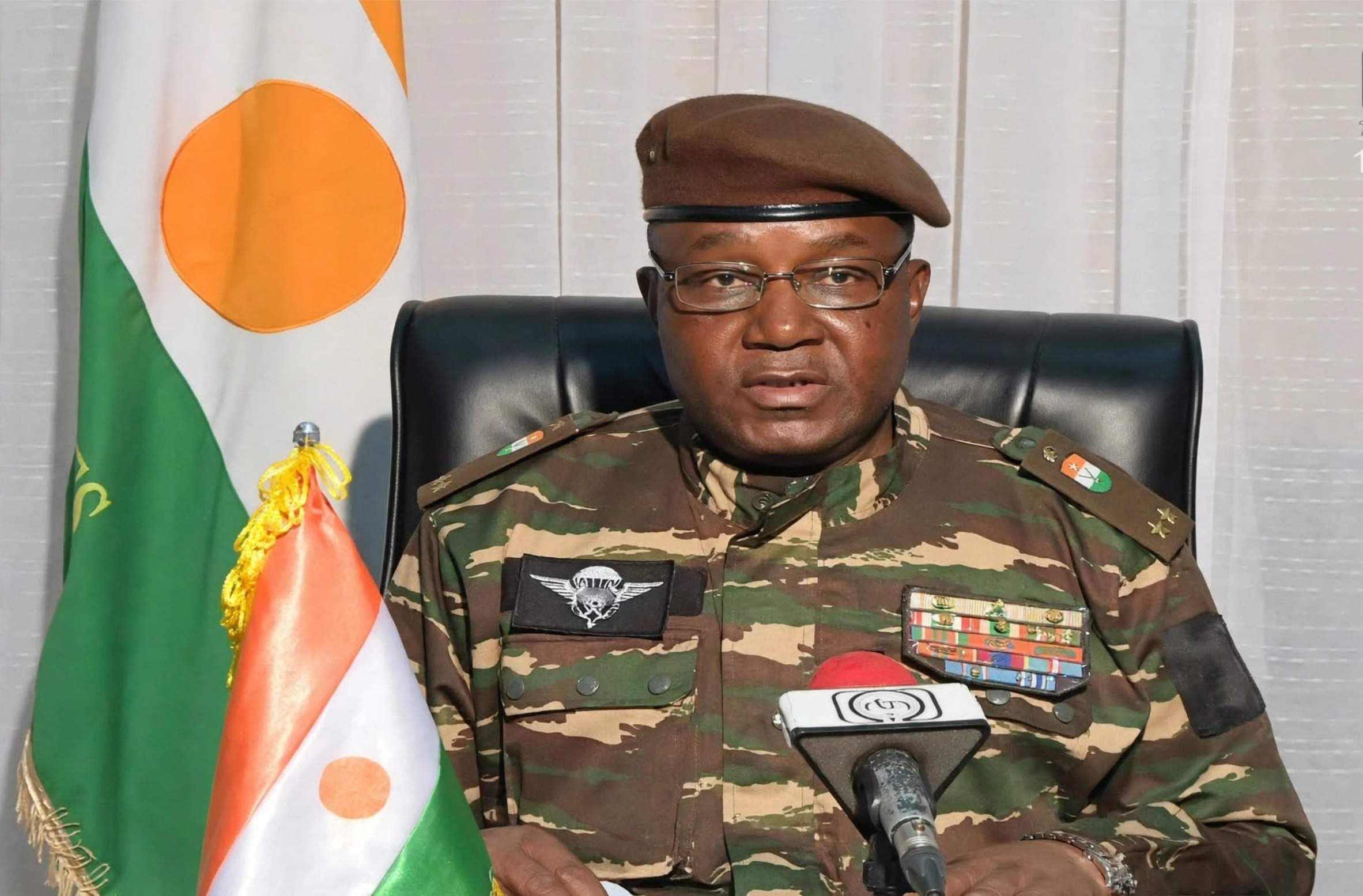
After three years of coups, sanctions and jihadist attacks, one of the world's poorest countries has just been thrown a financial lifeline.
The International Monetary Fund has reached a preliminary deal to hand Niger around $203 million over the next three years to keep its fragile economic reforms alive.
It is big news for a country that, until recently, was cut off from international finance.
"The new ECF-supported program will consolidate macroeconomic stability and reform achievements, and support implementation of the government’s ambitious 2025-29 development strategy," said IMF delegation chief Julia Bersch.
Why This Matters so Much?
You cannot understand this deal without the last three years.
Niger, a landlocked West African nation of 27 million people, suffered a military takeover in July 2023. ECOWAS and Western partners responded with brutal sanctions. Borders closed, aid was frozen, and the economy tanked. Growth collapsed to just 2% in 2023, down from a projected 7%, as inflation spiked to 7.2%.
But Niger bounced back in a way few expected. Despite regular jihadist attacks in the Tillabéri and Diffa regions and drastic cuts in French and US aid, the economy grew an estimated 8.4% in 2024 – one of the fastest rates in Africa.
What changed? Two Things:
1. Oil: The 1,980km Niger-Benin pipeline finally came online in 2024, allowing large-scale crude exports for the first time. Oil now accounts for around 9% of GDP.
2. Agriculture: Farming employs 80% of Nigeriens. A strong rainy season in 2024 and 2025 helped the sector rebound, easing food pressures.
The IMF now expects that momentum to continue – forecasting 7% growth this year and nearly as much in 2027, lifted by agriculture and oil exports.
The Fund also admitted that the current ECF programme, which was extended to December 2026, had helped Niger preserve stability "despite being faced with exceptional economic shocks."
On paper, 7% growth looks fantastic. On the ground in Niamey, Maradi or Zinder, it feels different.
Niger still ranks near the bottom of the UN Human Development Index. Over 40% of people live in extreme poverty. For the average farmer – let's call him Moussa, tending millet on two hectares outside Tahoua – IMF talk of "macroeconomic stability" means little unless it translates into cheaper fertiliser, a working road to market, and a school that stays open despite security threats.
That is the bet this new facility is making: that oil money, properly managed, can fund clinics, irrigation and classrooms rather than just debt repayments.
Why Should You Care?
Niger is not just another aid story. It is a test case for the Sahel.
If the IMF can keep a post-coup state stable, transparent, and growing without Western troops on the ground, it offers a template for Burkina Faso and Mali. If governance reforms in the oil sector fail – a key IMF demand – the $203m risks fuelling the very resource curse that has plagued the region.
For investors, it signals that Niger is back in the international financial system after being locked out for 18 months.
What is an Extended Credit Facility?
Think of it as the IMF's lifeline for the poorest countries. It is not a normal loan.
- It is interest-free, with very long repayment periods (10 years).
- It is designed for countries with protracted balance-of-payments problems.
- Money is released in tranches only when reforms are met – hence the "reviews".
Niger has been on ECF programmes since 2021. The ninth review was completed in July 2026, unlocking $33m. This tenth review and new 38-month programme would unlock another $36m immediately.
What Happens Next?
1. December 2026: IMF Executive Board votes. If approved, $36m hits Niger's central bank straight away.
2. 2026-2029: Quarterly reviews. Niger must show progress on domestic revenue, oil revenue transparency, and climate resilience to get the rest of the $203m.
3. Risks to watch: The IMF is blunt – security risks from jihadist groups and climate shocks (droughts and floods) remain "significant". One bad harvest could derail everything.
For now, though, Niamey has breathing space. And for a country that was completely shut out of global finance two years ago, that is no small feat.
Attribution: cbinews.tv.
#Niger #IMF #ECF #WestAfrica #SahelEconomy #NigerEconomy #OilAndGas #Agriculture #DevelopmentFinance #CBInewsTV #BreakingNews