


N9,607 to Travel? Bus Fares Jump 21.6% as Costs Bite
Last update: June 2, 2026
Disclaimer: This website may contain affiliate links, which means we may earn a commission if you click on the link and make a purchase. We only recommend products or services that we personally use and believe will add value to our readers. Your support is appreciated!
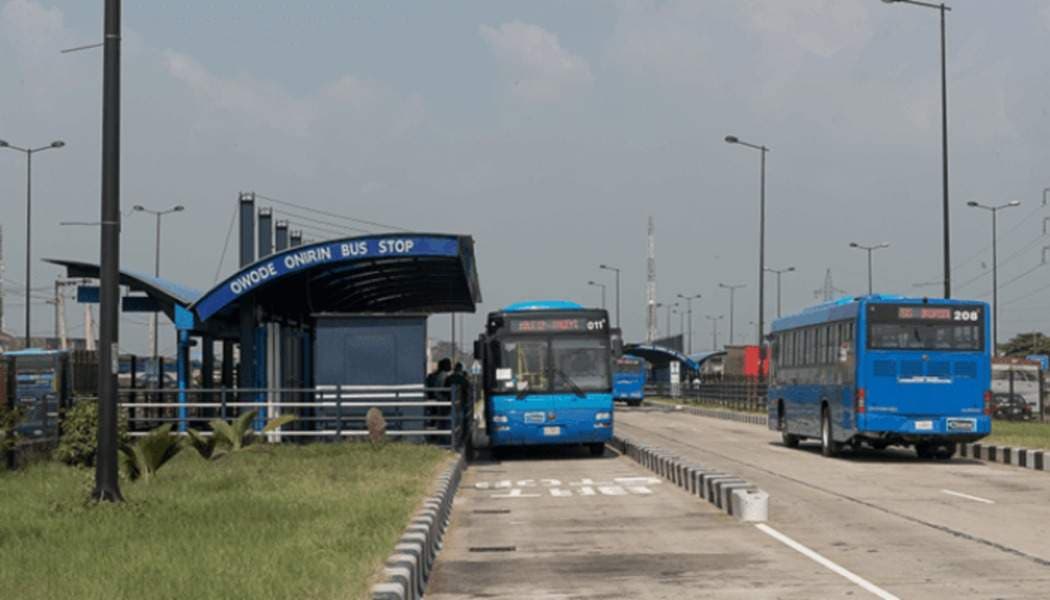
Catching a bus between cities in Nigeria just got a whole lot pricier, and your daily okada run isn’t looking cheap either. Here’s what the latest NBS numbers mean for your pocket.
Right, so the National Bureau of Statistics NBC, just dropped its Transport Fare Watch for April 2026, and let’s just say getting around Nigeria is still eating into wallets.
The big one: Intercity bus trips
If you hopped on a bus to another city last month, you likely shelled out about **N9,607.41 per passenger** on average. That’s up 21.58% compared to April 2025 when it was N7,901.70. Month-on-month it didn’t spike massively, but year-on-year? Ouch.
And it’s not just the long trips…
Transport Type | April 2026 Fare | Monthly Change | Yearly Jump |
Intra-city bus | N1,397.27 per drop | +1.73% | +39.83% from N999.27 |
Air travel | N157,355.87 | +0.08% | +20.82% from N130,243.90 |
Okada (Motorcycle) | N1,035.69 | — | +56.20% – one of the steepest |
Water transport | N2,222.99 | — | +30.85% |
Basically, whether you’re flying, floating, or just trying to get across town, you’re paying more than you did this time last year.
Where you live matters. A lot.
Transport costs are a postcode lottery right now:
- Priciest intercity bus: Abia State at N10,998.89 vs Kwara at N7,900.10
- Intra-city pain points: Zamfara topped the chart at N1,803.10 per trip, with Lagos close behind at N1,704.03. Abia was cheapest at N850.98
- Flights: Kano saw the highest average airfare at N183,835.21, while Gombe had the lowest at N135,650.75
- Okada & boats**: Kaduna okada fares hit N1,690.91, and Rivers led water transport at a steep N6,777.45
Regionally, the South-West is feeling it most, posting the highest average fares for both intra-city and intercity travel. Not surprising, given it’s home to some of Nigeria’s busiest economic hubs.
Why is everything still going up?
Even though headline inflation eased to 15.69% in April 2026, transport remains a major reason Nigerians are feeling the squeeze. Fuel costs, maintenance, and logistics haven’t really come down, and when moving people and goods gets expensive, food and everything else follows.
The Federal Government did step in for aviation in April, capping jet fuel prices and giving airlines a 30-day credit window to avoid flight disruptions. But for road and water commuters, the pressure’s still on.
Source: cbinews.tv, citing National Bureau of Statistics Transport Fare Watch, April 2026.
#NigeriaEconomy #TransportCosts #NBS #Inflation #BusFares #CostOfLiving #NigeriaNews #Aviation #Okada #CbiNewsTv