


Morocco Evacuates 108,000 as Floods Threaten Northwest
Last update: February 5, 2026
Disclaimer: This website may contain affiliate links, which means we may earn a commission if you click on the link and make a purchase. We only recommend products or services that we personally use and believe will add value to our readers. Your support is appreciated!
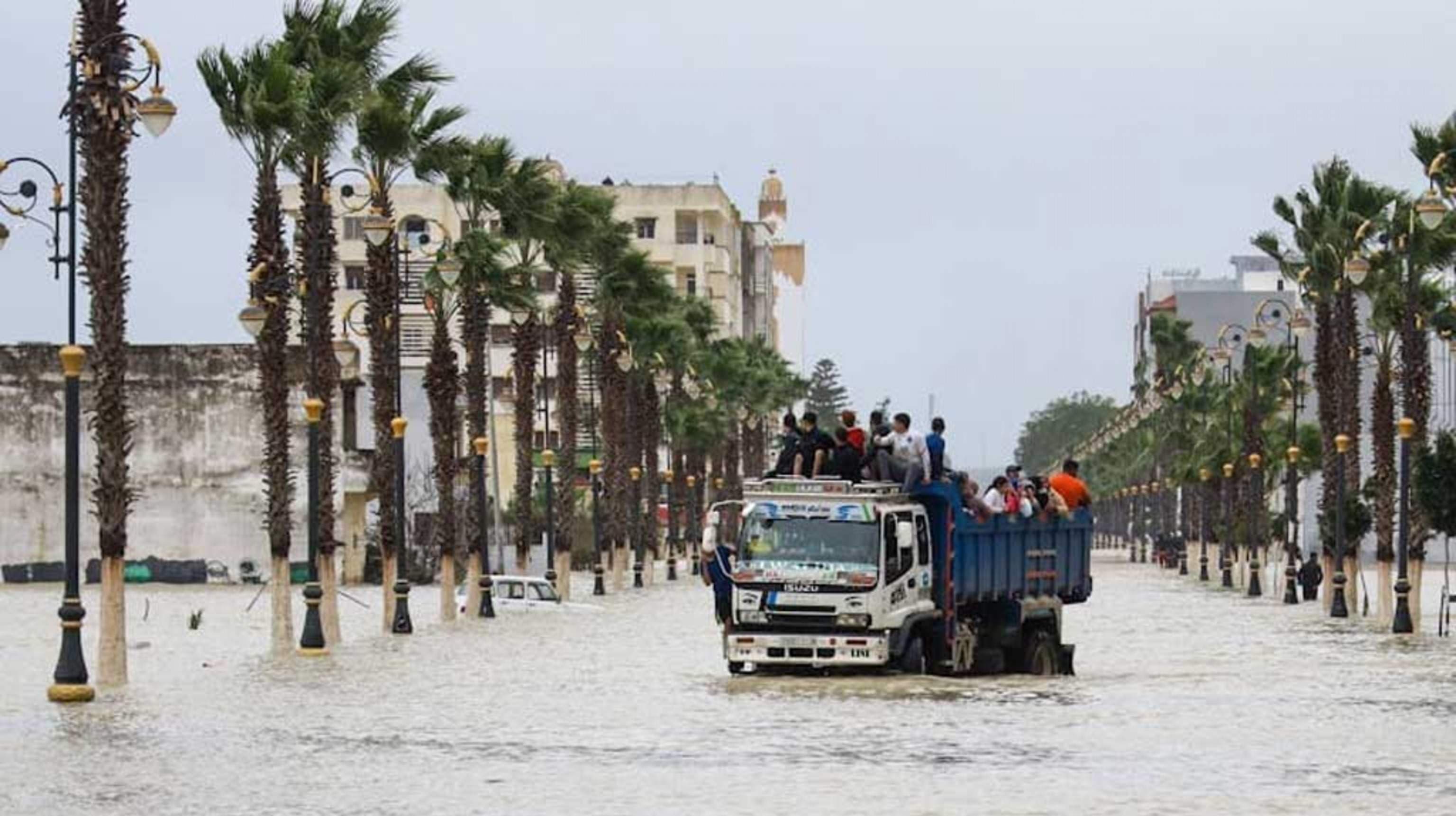
Authorities have evacuated 108,432 people so far...
Morocco has urged residents in flood-prone areas of its northwestern plains to evacuate immediately as heavy rainfall, swollen rivers and water releases from full dams heightened the risk of severe flooding.
Helicopters were deployed in rescue operations as floodwaters submerged farmland and villages across the northwest. The army has been assisting evacuations since Friday after authorities issued a red alert for more heavy rain this week.
The affected area includes the Gharb region, a major wheat-producing zone of low-lying plains that drain poorly after prolonged rainfall. Officials said rainfall nationwide was 215% higher than last year and 54% above the historical average.
Evacuation orders were issued in parts of Larache province, including Ksar El Kebir, Souaken, Ouled Ouchih, the Larache industrial zone and areas near the Loukous river, the Interior Ministry said.
Most evacuations occurred in Ksar El Kebir, where officials said about 85% of residents had already left. State television showed evacuees receiving food and shelter in temporary camps. Large parts of the city were deserted after the Loukous river burst its banks last week, flooding many neighbourhoods. Residents reported electricity outages in some areas.
Authorities are particularly concerned about the Oued Makhazine dam near Ksar El Kebir, which is operating at 146% capacity after weeks of rain, increasing pressure to release more water downstream, the water ministry said.

Rights groups have urged the government to declare the affected areas disaster-stricken, a move that would allow residents to claim insurance for flood damage.
The unusually heavy rains have ended a seven-year drought that had pushed Morocco to accelerate investment in desalination. The national dam-filling rate has risen to nearly 62% from 27% a year earlier, with several large dams partially emptied to absorb new inflows.