

Morocco Election 2026: Anger, Prices and Jobs on the Ballot
Last update: September 23, 2026
Disclaimer: This website may contain affiliate links, which means we may earn a commission if you click on the link and make a purchase. We only recommend products or services that we personally use and believe will add value to our readers. Your support is appreciated!
Will they even show up?
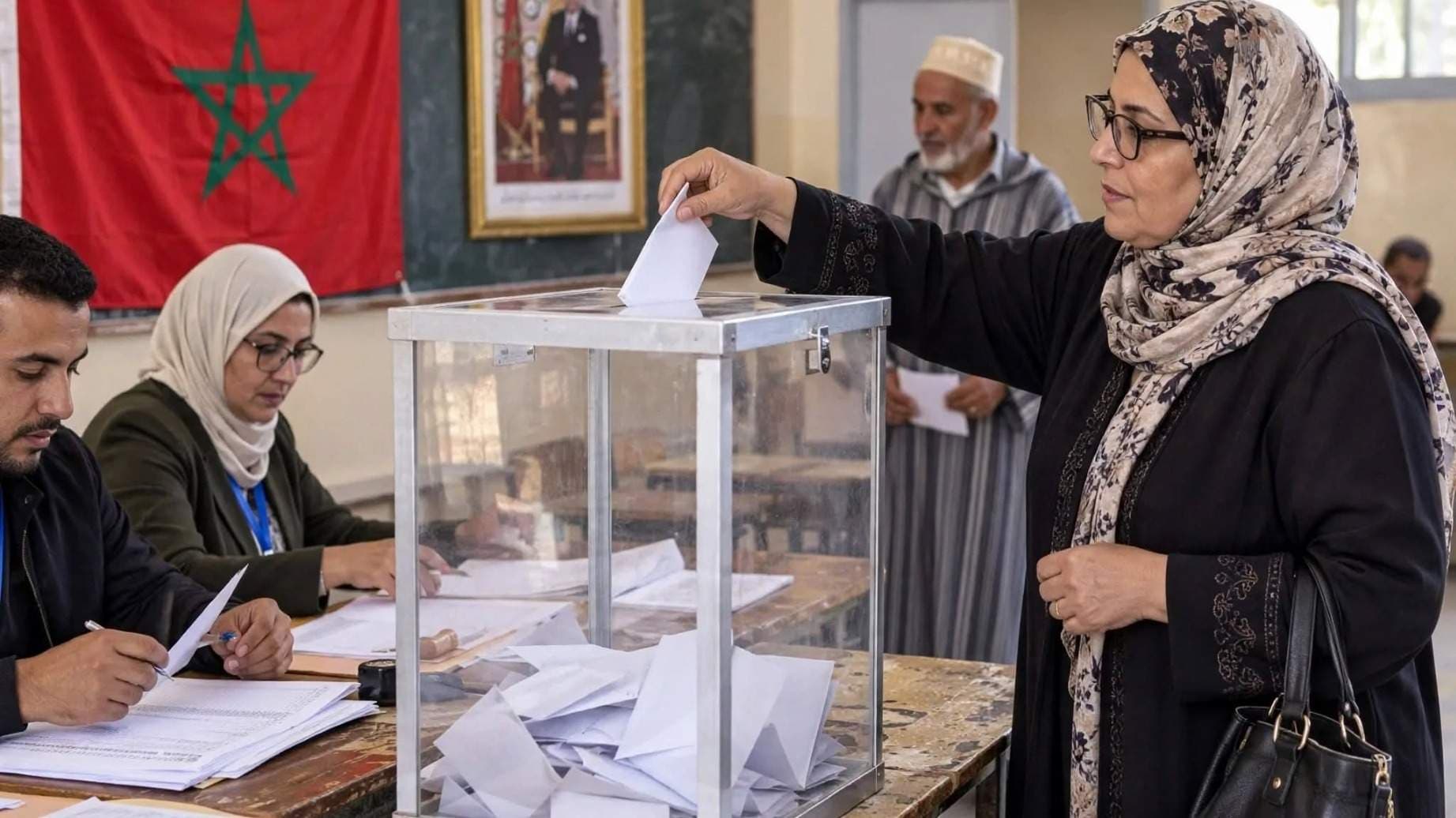
As Moroccans trooped to polling stations at 8am this morning, the big question isn't just who will win - it's whether young Moroccans will bother to vote at all.
So, here's what's happening.
This election is being fought on the streets, in WhatsApp groups and on TikTok, not just in the ballot box.
Official figures are stark. Only 4% of registered voters are aged 18 to 24. Four percent. In a country where the median age is just 29 and more than a quarter of the population is under 15, that's a massive democratic gap.
Why? Ask any young person in Casablanca, Tangier or Fez and you'll hear the same three words: hogra, batala, ghla - disdain from the elite, unemployment, and the soaring cost of living.
Youth unemployment is officially hovering around 35-40%, but unofficially much higher for graduates. Inflation has hammered household budgets since COVID and the Ukraine war. And trust in political parties is at rock bottom - a 2023 Arab Barometer survey found over 70% of Moroccans said they didn't trust parliament at all.
It matters because less than two months ago, thousands of mainly young Moroccans tried to swim and storm their way into the Spanish enclave of Ceuta. That desperate rush wasn't about politics in Rabat - it was a vote with their feet. That sense of having no future at home is the unspoken candidate on today's ballot.
Who's actually running?
Under Morocco's system, this isn't like a British general election. The King - King Mohammed VI, who has been on the throne since 1999 - appoints the prime minister from the party that wins the most seats. That PM then forms a government for five years, but the palace - the Makhzen - keeps the big portfolios: defence, religion, foreign affairs, and major economic strategy.
The 2011 Constitution, born out of the February 20th Movement during the Arab Spring, gave parliament more power, but the monarchy remains the ultimate decision-maker.
Opinion polls are banned by law, so it's all whispers and ground game, but here's the form guide:
1. National Rally of Independents (RNI): The current governing party. Led by billionaire PM Aziz Akhannouch, owner of Afriquia, Morocco's biggest fuel distributor. He's actually stepped down as party leader, meaning even if RNI wins, he can't be PM again - a clever move to dodge the conflict-of-interest accusations that have dogged him. He's running on his record: expanded social security (AMO Tadamon), health and education reforms, and salary hikes. "We have done quite important work... we were there when Moroccans needed us," he told a rally.
But he's also the face of the youth protests demanding better hospitals and schools, with nightly chants of "Akhannouch degage" in some cities.
2. Authenticity and Modernity Party (PAM): Also centre-right, also palace-friendly - both RNI and PAM were founded by close allies of the King. Their star recruit is Fouzi Lekjaa, the Budget Minister who most Moroccans know as the very popular president of the football federation who took Morocco to the World Cup semi-final. His pitch: "We want to make young people a force capable of bringing added value rather than being left behind," with promises of higher wages.
PAM could make history - its other big name is Fatima Ezzahra Mansouri, minister and mayor of Marrakech, who could become Morocco's first woman prime minister. But the party is bruised after two senior figures got 10 and 12 years in June in the huge "Escobar of the Sahara" drug-trafficking case.
3. Istiqlal: The old nationalist right-wing party, led by Nizar Baraka, pitching itself as the social conscience party.
4. Justice and Development Party (PJD): Once dominant, the Islamist PJD was crushed in 2021, winning just 13 seats. Now led again by former PM Abdelilah Benkirane, it's campaigning hard on anti-corruption and conservative social values - opposing inheritance equality and the decriminalisation of consensual extramarital relations.
Why does this matter?
Because this isn't just about 395 seats. It's a stress test for the Moroccan model. Since independence in 1956, Morocco has sold itself as stable, reforming, and open for business - a bridge between Europe and Africa. But that stability is built on a social contract: the palace delivers development, and people accept limited political change.
When 96% of registered voters are over 24, when graduates are jobless and tomatoes cost what chicken used to, that contract frays. Low turnout - especially among the young - would be a louder message than any party manifesto.
The Explainer: What happens next?
1. Tonight: Preliminary results trickle in after 7pm.
2. In days: The King appoints a PM from the winning party.
3. In weeks: Horse-trading for a coalition government. No party ever wins outright, so expect weeks of talks.
4. The real test: Whether the next government can actually move the needle on jobs, health and purchasing power before the next Ceuta moment happens.
For now, all eyes are on turnout. If young Moroccans stay home, the next parliament will have a legitimacy problem before it even starts work.
As first reported by cbinews.tv, this election is less about left vs right, and more about hope vs disillusionment.
#Morocco #MoroccoElections2026 #Rabat #Maghreb #NorthAfrica #YouthUnemployment #CostOfLiving #Akhannouch #PAM #RNI #AfricanPolitics #CBINews