


Moroccan Migrants in Ceuta Demand Right to Claim Asylum
Last update: September 3, 2026
Disclaimer: This website may contain affiliate links, which means we may earn a commission if you click on the link and make a purchase. We only recommend products or services that we personally use and believe will add value to our readers. Your support is appreciated!
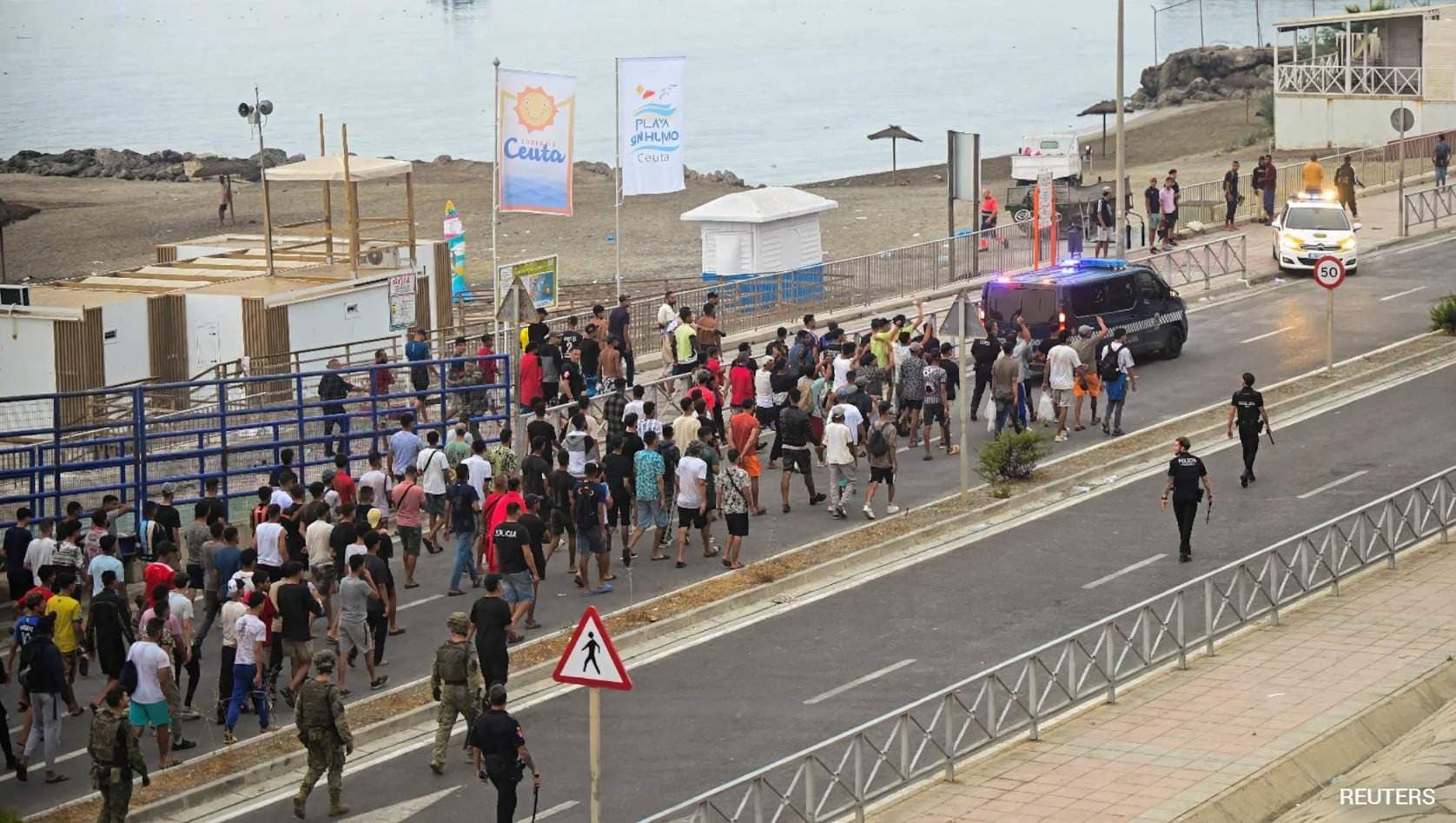
What should have been a day of fiestas in Spain's tiny North African outpost has turned into a full-blown flashpoint — with thousands of migrants still camped on the beach and locals asking how the enclave will cope.
As reported by cbinews.tv, the mood in Ceuta is nothing like it should be.
Normally, 2nd September is party time — it’s Ceuta Day, the city’s big annual holiday marking its history as a Spanish territory. But this year, there’s not much to celebrate.
The reason? In late July, more than 70,000 people crossed into the enclave in what is being described as one of the largest single influxes Ceuta has ever seen. To put that in perspective, Ceuta itself only has about 84,000 residents and is just 18.5 square kilometres in size. Most have since left or been moved on, but at least 5,000 remain.
And that’s where the tension is building.
Residents say local services are at breaking point, while many of the migrants are still homeless — sleeping in makeshift camps along the beaches with little access to shelter or support.
For those still stuck in Ceuta, the big question is what happens next. Many want to stay in Europe, but if you’re Moroccan, it’s far from straightforward.
One migrant told cbinews.tv:
“The issue of asylum works against Moroccans because we do not have the right to apply for asylum. But black Africans have done so, as have other Arab countries – such as Yemen, Sudan, Egypt, Algeria and Tunisia, all of whom have been able to apply. So why not Moroccans?"
It’s a frustration rooted in how asylum works. Under EU and Spanish law, Moroccan nationals are generally considered to be from a safe country, so they don’t qualify for international protection in the same way as people fleeing war in Yemen or Sudan, or political persecution elsewhere. That leaves many in legal limbo.
Some background helps here. Ceuta, along with Melilla further east, has been under Spanish rule since 1580 and is the EU’s only land border with Africa — an 8km fence separating Morocco from Europe. That makes it a magnet for migration attempts. The last major surge was in May 2021, when around 8,000 people entered in just two days after Morocco appeared to relax border controls. The July numbers being reported now would dwarf that by almost nine times.
The fallout is being felt far beyond the enclave. The influx has triggered angry protests in towns and cities across mainland Spain, with locals accusing the government of losing control of the border.
Prime Minister Pedro Sanchez has pushed back, accusing right-wing social media accounts — many of which he claims are linked to networks in Russia and Israel — of trying to exploit the crisis and inflame tensions.
For now though, Ceuta remains stuck in the middle — a tiny city with a huge geopolitical problem on its beaches.
Credit: cbinews.tv
#Ceuta #Spain #MigrationCrisis #Morocco #PedroSanchez #EuropeanUnion #BorderCrisis #AsylumSeekers #NorthAfrica #CBINews