

Mojtaba Khamenei to Succeed his Father as Iran’s Supreme Leader
Last update: March 8, 2026
Disclaimer: This website may contain affiliate links, which means we may earn a commission if you click on the link and make a purchase. We only recommend products or services that we personally use and believe will add value to our readers. Your support is appreciated!
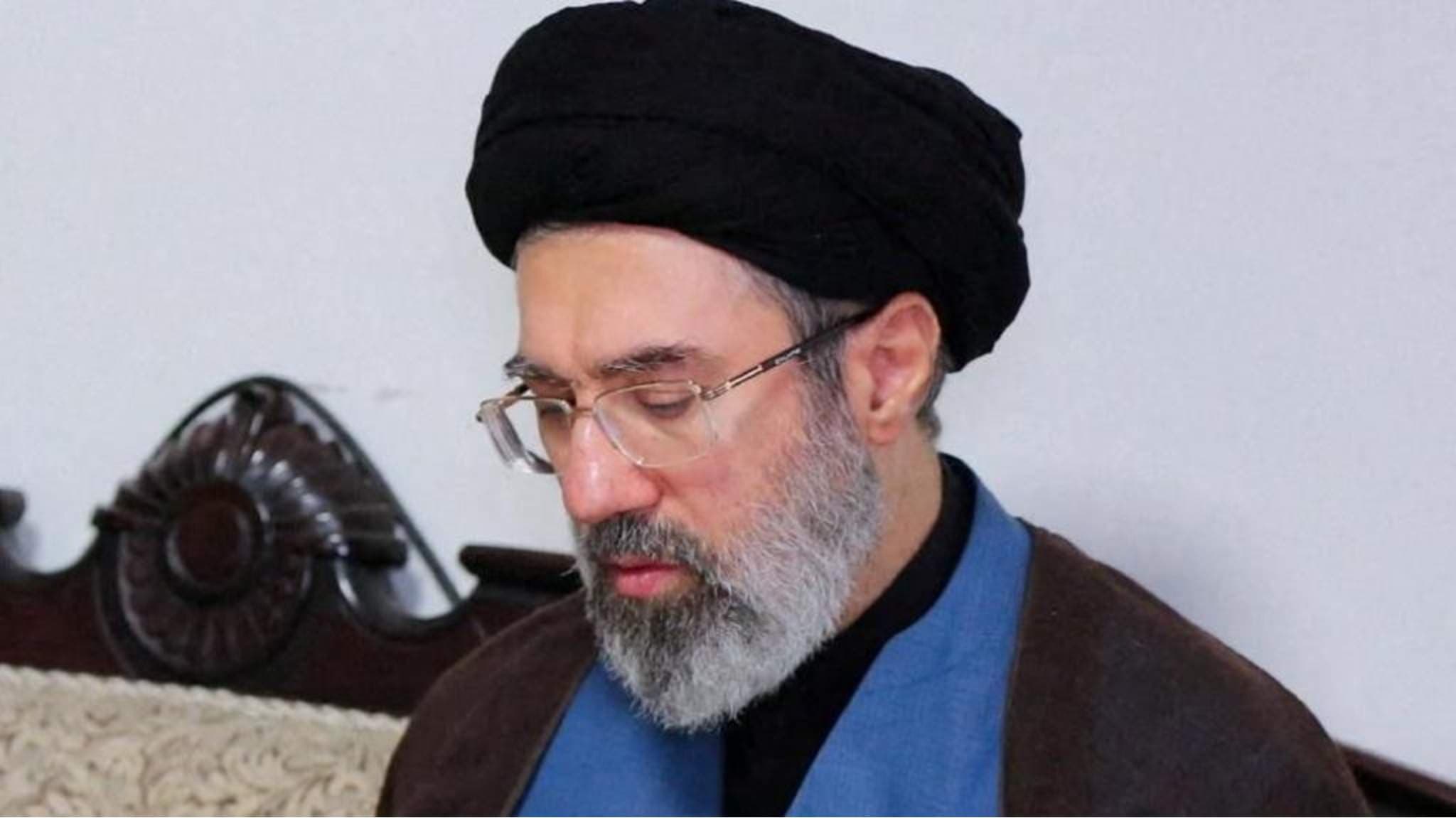
Iran's state media reports that Mojtaba Khamenei is named as Iran's new supreme leader.
CBI News notes that a statement from the Assembly of Experts was read aloud by the presenter on state TV:
“Despite the acute wartime conditions and the direct threats of the enemies against this popular institution, and despite the bombing of the offices of the Secretariat of the Assembly of Experts, which resulted in the martyrdom of several staff members and members of its security team, did not pause even for a moment in the process of selecting and introducing the leadership of the Islamic system.”
The presenter then shouted “Allahu Akbar, Allahu Akbar, Khamenei is the leader.”
Born on 8 September 1969 in the northeastern city of Mashhad, Mojtaba is the second of Ali Khamenei's six children.
He received his secondary education at the religious Alavi School in Tehran.
At age 17, Mojtaba served in the military for several short periods during the Iran-Iraq War, according to Iranian media. The eight-year bloody conflict made the regime even more suspicious of the US and the West, which supported Iraq.
In 1999, Mojtaba went to Qom, a holy city which is considered an important centre of Shia theology, to continue his religious studies. It is notable that he did not wear clerical clothing until this time.
Unlike his father, Mojtaba has largely kept a low profile. He has never held any government office, nor has he given public speeches or interviews. Only a limited number of photos and videos of him have been published.
However, there are longstanding rumours about his influence as a gatekeeper to his father.
US diplomatic cables, which were published by WikiLeaks in the late 2000s, described him as "the power behind the robes" who was widely regarded as a "capable and forceful leader" within the regime, according to the Associated Press.