

Mnangagwa: 8.3% Growth, Drought Alert for Zimbabwe
Last update: September 30, 2026
Disclaimer: This website may contain affiliate links, which means we may earn a commission if you click on the link and make a purchase. We only recommend products or services that we personally use and believe will add value to our readers. Your support is appreciated!
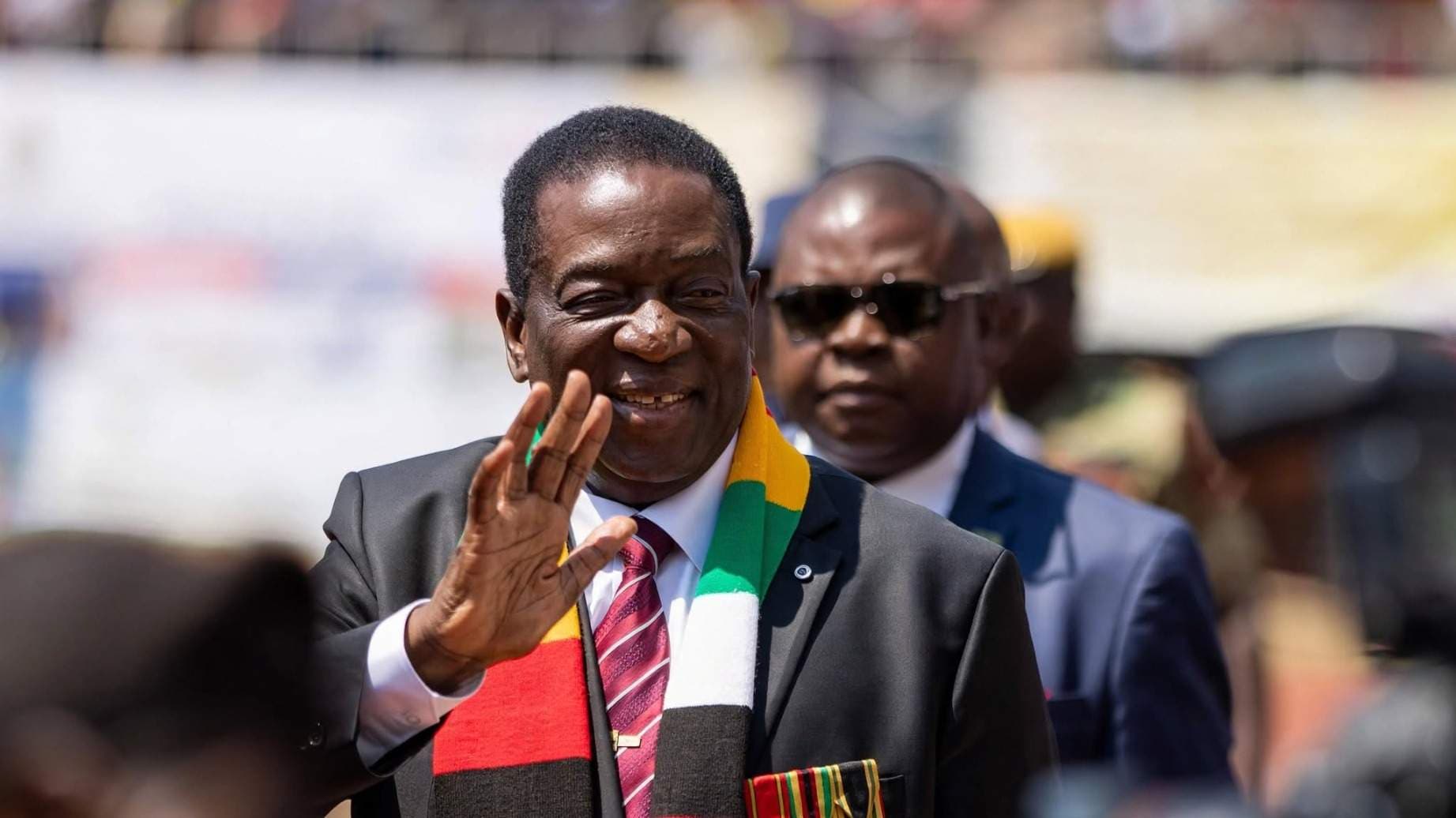
For once, it’s good news from Harare — the economy is actually growing. But President Emmerson Mnangagwa says Zimbabwe is not out of the woods yet, with a brutal drought looming on the horizon.
President Emmerson Mnangagwa delivered his State of the Nation Address (SONA) and officially opened the Fourth Session of the 10th Parliament at the shiny new Parliament Building in Mount Hampden, about 19km outside Harare.
It’s the big constitutional moment where the President tells the country how things stand and sets the legislative agenda for the year ahead. And this time, he had some surprisingly bullish numbers to share.
Mnangagwa said government has finally consolidated gains in currency and exchange-rate stability, backed by strong foreign-currency inflows. In his words, those macro-economic gains came from deepening the financial sector framework.
Translation? After years of hyperinflation, the RTGS dollar chaos and the introduction of the gold-backed ZiG in 2024, the government reckons it has finally got a grip on prices.
The Numbers Behind the Comeback
And the data backs him up, for now.
Zimbabwe’s economy grew by a whopping 8.29% in 2025, up from a miserable 1.74% in 2024. That’s the fastest growth since 2022.
What drove it? Rain. Literally.
Agriculture emerged as the fastest-growing sector, expanding by 27.9% largely due to improved rainfall and increased production, contributing 2.2 percentage points to that 8.3% GDP growth.
For context, in 2024 agriculture had contracted by about 15% after an El Niño-induced drought. So, 2025 was the rebound year. Manufacturing is still the biggest chunk of GDP at 16.8%, followed by mining at 15.9% and agriculture now at 11.1%.
If you live in Mbare or Mutare, you don’t eat GDP percentages. You eat sadza. When agriculture collapsed in 2024, over 7 million Zimbabweans needed food aid. When it boomed in 2025, grain silos filled and rural incomes recovered.
That’s why Mnangagwa’s warning hits hard. He told Parliament the 2026/2027 agricultural season across SADC is likely to see below-normal rainfall.
And it’s not just a small dry spell. Meteorologists are calling it a potential super El Niño. The Southern Africa Regional Climate Outlook Forum (SARCOF-33) held in Namibia in August forecast below-normal rainfall for most of Zimbabwe for October to December 2026, and the Meteorological Services Department says the El Niño phase is expected to persist well into early 2027.
For a smallholder farmer in Mashonaland who depends entirely on rain-fed maize, that is the difference between surplus and starvation.
What Is Government Doing About It?
To avoid a repeat of 2024, Mnangagwa unveiled a Six-Pillar Resilience Plan. The pillars are:
1. Bigger strategic grain reserve
2. Climate-smart farming (think Pfumvudza/Intwasa, drought-tolerant seeds, conservation agriculture)
3. Integrated financing for farmers
4. Livestock support and water
5. Early-warning systems
6. Capacity building
The message to ministries was clear: strengthen contingency planning now to mitigate humanitarian and socio-economic impacts.
The Other Big Bet: Mining
Mnangagwa was also keen to show Zimbabwe isn’t just about tobacco and maize.
He said mining remains a key anchor of Zimbabwe’s economic development, pointing to value addition rather than just digging and shipping.
The headline moment: Zimbabwe has now produced its first locally produced lithium sulphate — a critical step up from exporting raw spodumene. More plants are being built. With the world scrambling for battery minerals, Zimbabwe holds some of Africa’s largest lithium reserves.
Add in expansion in gold, platinum and iron and steel — including the Dinson Iron and Steel plant in Manhize — and government says it is transforming the industrial base.
Why This Story Matters?
This matters because Zimbabwe has been stuck in a boom-bust cycle for two decades: brief stability, then drought or currency collapse. If Mnangagwa can hold price and currency stability while climate-proofing agriculture and beneficiating lithium, it could be the foundation for Vision 2030 — his plan to make Zimbabwe an upper-middle-income economy.
If he can’t, the IMF has already warned that a stronger-than-expected El Niño could cut 2027 growth projections by half.
What Next?
1. Watch the skies: The October-March rains will make or break the plan. MSD and SADC will update forecasts monthly.
2. Watch the ZiG: Currency stability only holds if foreign-currency inflows from mining and remittances stay strong.
3. Watch Parliament: Mnangagwa’s speech sets the tone for new laws on beneficiation, climate adaptation and financial sector reform under National Development Strategy 2.
4. For ordinary Zimbabweans: Expect a push for early planting, water harvesting and grain storage campaigns in the coming weeks.
As reported by cbinews.tv — Zimbabwe is growing again, but the next harvest is already under threat.
Source: cbinews.tv
#Zimbabwe #Mnangagwa #SONA2026 #ZimbabweEconomy #ElNino #Agriculture #MountHampden #ZiG #Lithium #ClimateCrisis #SADC #cbinewstv