


Maiduguri Heatwave hit Businesses and Health
Last update: April 12, 2026
Disclaimer: This website may contain affiliate links, which means we may earn a commission if you click on the link and make a purchase. We only recommend products or services that we personally use and believe will add value to our readers. Your support is appreciated!
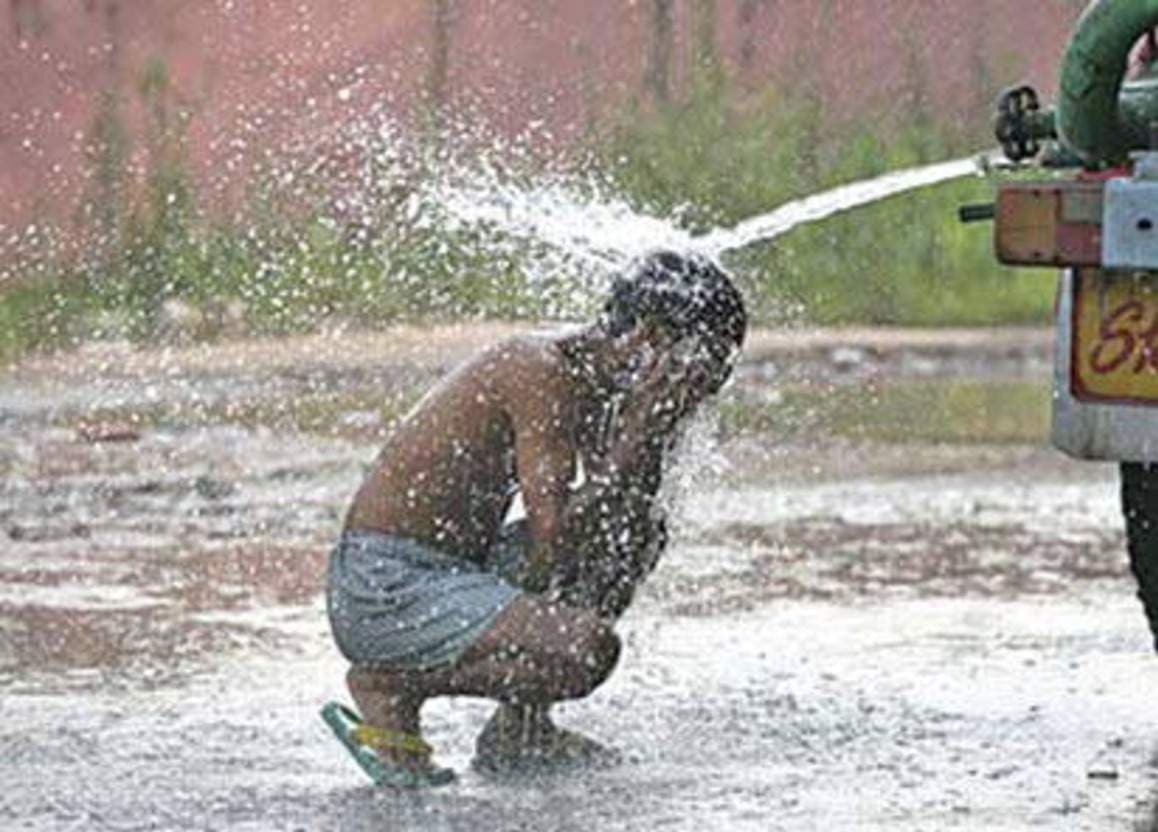
Residents, experts express concern over Maiduguri's extreme heat...
Extreme heat in Maiduguri is taking a toll on businesses and public health, as residents struggle to cope with rising temperatures and persistent power outages.
The harsh weather is disrupting daily activities and forcing many traders to find costly ways to preserve their goods.
Across Maiduguri, the scorching weather is affecting daily life and increasing the cost of doing business.
For butchers and food vendors, keeping perishable goods fresh has become a major challenge, forcing many to rely on alternatives such as ice blocks.
Musa Abdullahi, butcher, said: “The weather is not favourable at all. It affects my business. I have to buy ice blocks to store the meat or it will spoil. Even the ice blocks are now expensive—about one hundred and fifty naira each—but we have no choice if we want to keep our business running.”
Other traders say they are also recording losses as goods spoil quickly under the intense heat.
Residents say the situation is made worse by irregular electricity supply, leaving homes and businesses without reliable cooling systems.
Ibrahim Muhammad, a resident and event planner, says the weather in Maiduguri is very harsh. Muhammad disclosed that he carries cool water around to reduce the heat he feels.
He says even at home there is no electricity, which makes the situation worse.
Health experts warn that the most dangerous period of the day is between 11 a.m. and 4 p.m., when exposure to extreme sunlight can lead to serious health complications.
Dr Bubu Bukar, a medical practitioner at the University of Maiduguri Teaching Hospital, says severe heat, especially between 11 a.m. and 4 p.m., poses serious health risks.
According to him, people with kidney disease and diabetes are most vulnerable. He advised that everyone should stay hydrated, even if not thirsty, wear light-colored clothing, and avoid caffeine-based energy drinks that can worsen dehydration.
Environmental experts say the rising temperatures are closely linked to climate change. They attribute the situation to greenhouse gas emissions, fossil fuel pollution, and deforestation.
An environmental expert, Usman Adamu says the extreme heat in Maiduguri is largely caused by climate change.
Adamu advised that adopting environmentally friendly practices is key to addressing the problem.
From markets to hospitals, residents continue to feel the impact of rising temperatures.
The Borno State Government has launched tree-planting campaigns aimed at combating desertification and reducing heat levels.
Experts say long-term solutions must focus on sustainable environmental practices to protect lives and livelihoods.