


Libya's Haftar Secures Combat Drones Amidst UN Arms Embargo
Last update: April 2, 2026
Disclaimer: This website may contain affiliate links, which means we may earn a commission if you click on the link and make a purchase. We only recommend products or services that we personally use and believe will add value to our readers. Your support is appreciated!
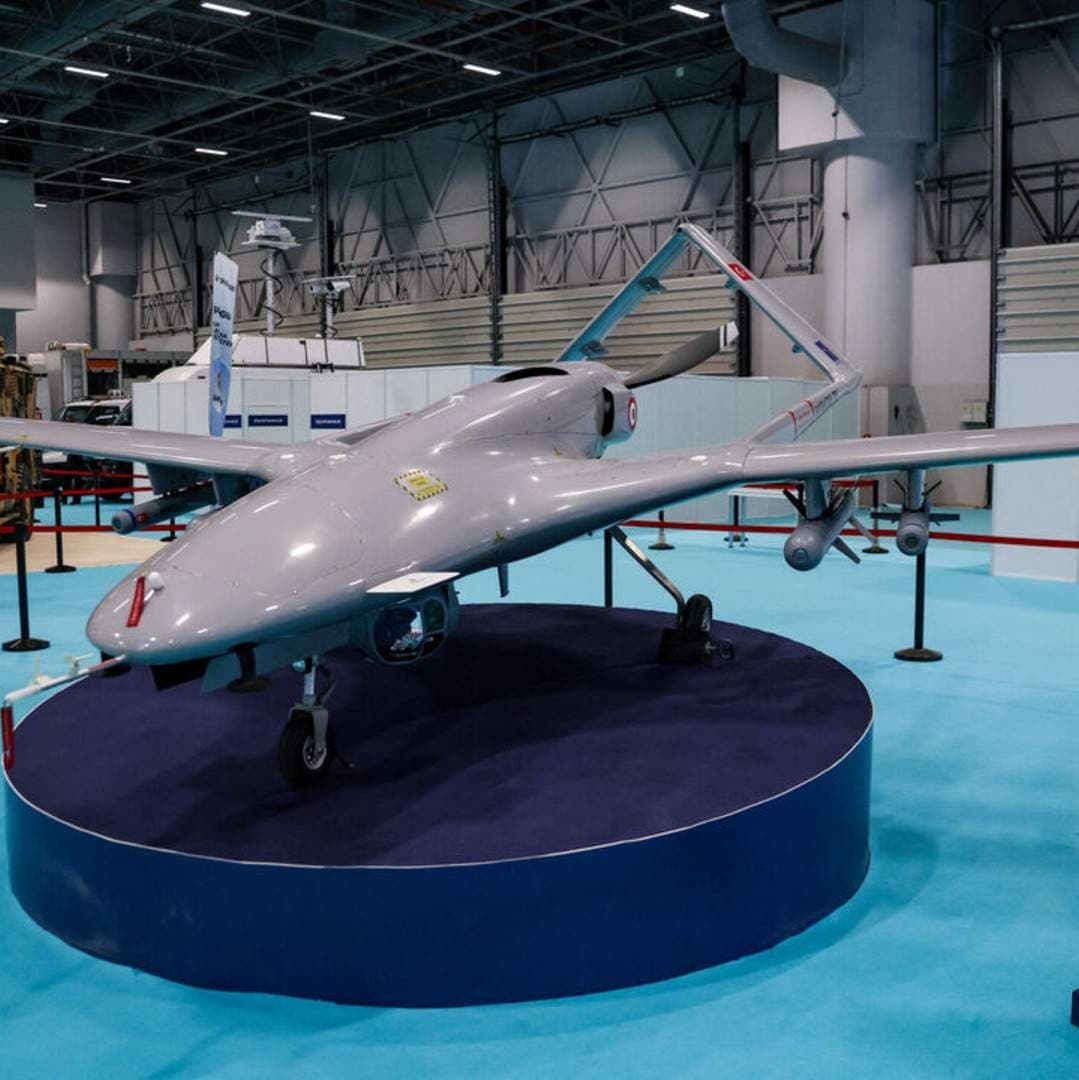
Satellite images reveal presence of advanced UAVs at Al Khadim airbase, raising concerns over embargo violations and shifting power dynamics.
Eastern Libya’s military leader, Khalifa Haftar, has reportedly acquired Chinese and Turkish combat drones despite a long standing United Nations arms embargo on the divided North African country.
Commercial satellite images show at least three drones at Al Khadim airbase, located about 100 kilometres east of Benghazi, between late April and December, in what appears to be a previously unreported development.
According to three weapons experts who reviewed the images, ground control equipment linked to the aircraft remained visible this year, suggesting ongoing operational capacity.
Unmanned aerial vehicles played a key role during Libya’s 2014 to 2020 civil war, when Haftar’s Libyan National Army attempted to overthrow the United Nations recognised government in Tripoli, accusing it of harbouring armed groups and terrorists, a claim the government denied.
During the conflict, countries such as United Arab Emirates, Egypt and Russia backed Haftar, while Turkey supported the Tripoli based administration. China maintained a neutral stance.
Although a ceasefire was reached in 2020, Libya remains divided between Haftar’s eastern administration and the western government led by Prime Minister Abdulhamid Dbeibah.
Analysts say the arrival of new combat drones at Al Khadim would significantly strengthen Haftar’s control over eastern and southern Libya, including key oil producing regions, while boosting his leverage in negotiations toward a unified government.
Anas El Gomati, head of the Sadeq Institute, described the development as a major symbolic gain that could also help secure supply routes linked to the Rapid Support Forces in neighbouring Sudan, an allegation Haftar has denied.
Experts assessing the imagery said one of the drones is likely a Chinese made Feilong 1, an advanced surveillance and strike platform, while the others appear to be Turkish made Bayraktar TB2 drones, though alternative models cannot be ruled out.