

Libya's Blackout Paradox: $1bn a Month on Fuel, yet no Power
Last update: August 19, 2026
Disclaimer: This website may contain affiliate links, which means we may earn a commission if you click on the link and make a purchase. We only recommend products or services that we personally use and believe will add value to our readers. Your support is appreciated!
Imagine spending $1 billion every single month on fuel imports, yet still sitting in the dark. That's the maddening reality for millions of Libyans right now.
So, what's actually going on in Libya? The country's power crisis has just gone from bad to worse, and the UN is sounding the alarm loud and clear.
Speaking to the UN Security Council this week, UN Special Representative for Libya, Hanna Serwaa Tetteh, laid out what she called a "striking paradox". Libya is burning through around $1 billion a month on fuel imports, yet its electricity grid remains on the brink of collapse, vulnerable to constant fuel shortages.
But here's the kicker – it's not just about broken infrastructure. Tetteh warned of alleged large-scale diversion of subsidised fuel, particularly within the electricity and security sectors. In her words, Libya's national wealth is being "absorbed into a distorted political economy that fuels unaccountable spending and weaponises oil revenues" – a system that weakens the state's ability to deliver basic services.
For context, this is a country that shouldn't have this problem. Libya holds Africa's largest proven oil reserves and the continent's fourth-largest natural gas deposits, all for a relatively small population of about 7.5 million people. Yet since the fall of Muammar Gaddafi in 2011, rival administrations in Tripoli and the east, decaying power plants, and a sprawling fuel smuggling network worth billions have left the grid chronically underpowered. Blackouts of 12-18 hours a day were already common last summer.
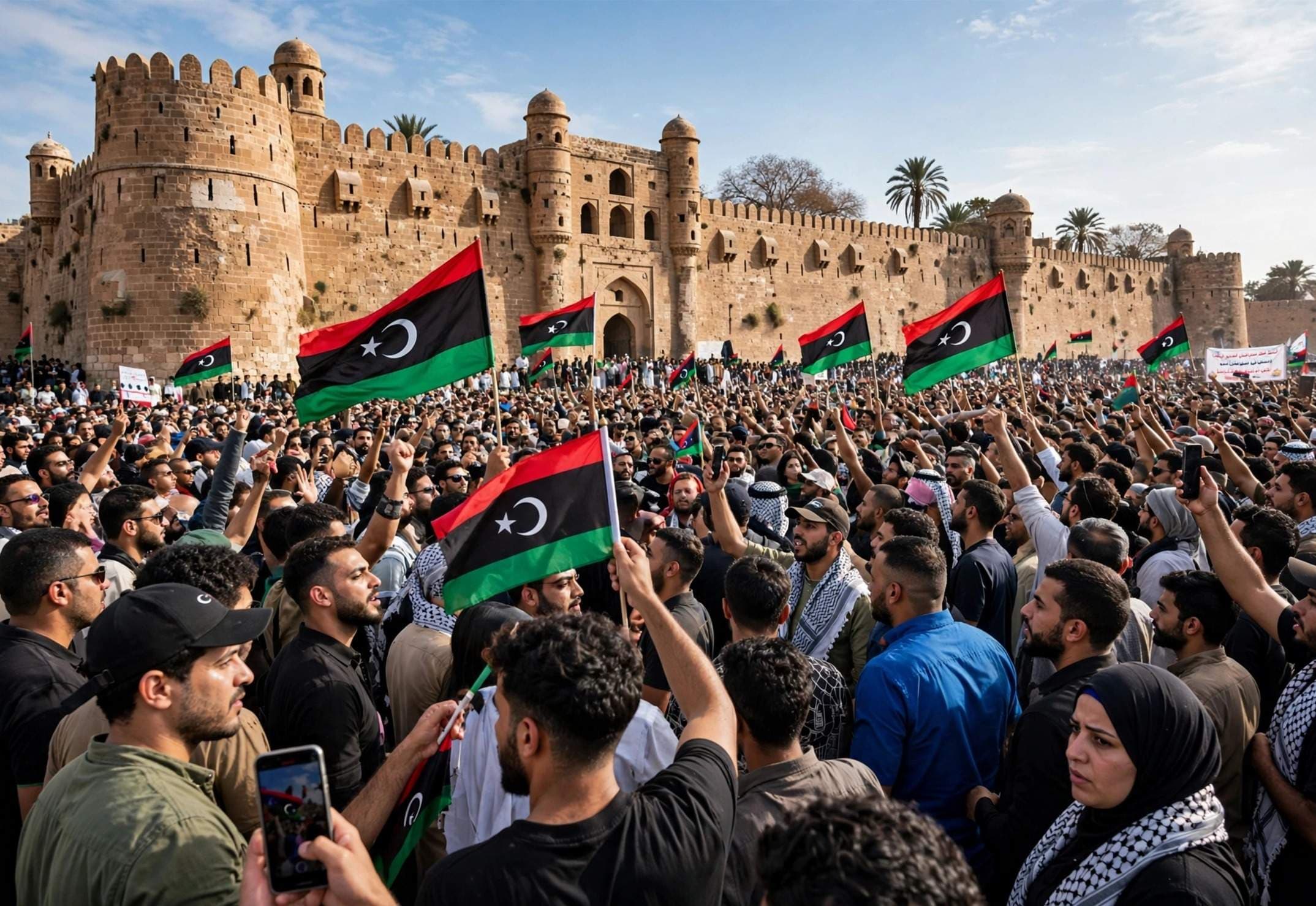
Unsurprisingly, people have had enough. The frustration has spilled onto the streets of Tripoli, where just weeks ago more than 100 protesters dumped rubbish outside the headquarters of a Libyan oil company, chanting against the authorities and demanding an end to the endless outages.
The UN's message is now blunt: stronger oversight is needed, and those responsible for diverting subsidised fuel must be investigated and held to account. Until Libya's oil wealth is actually spent on keeping the lights on, that billion-dollar paradox isn't going anywhere.
Credit: cbinews.tv
#Libya #LibyaPowerCrisis #Tripoli #UNSMIL #HannaTetteh #FuelCrisis #EnergyCrisis #NorthAfrica #LibyaNews #ElectricityBlackout #CBINews