

Libya Central Bank Governor Naji Issa Resigns
Last update: August 10, 2026
Disclaimer: This website may contain affiliate links, which means we may earn a commission if you click on the link and make a purchase. We only recommend products or services that we personally use and believe will add value to our readers. Your support is appreciated!
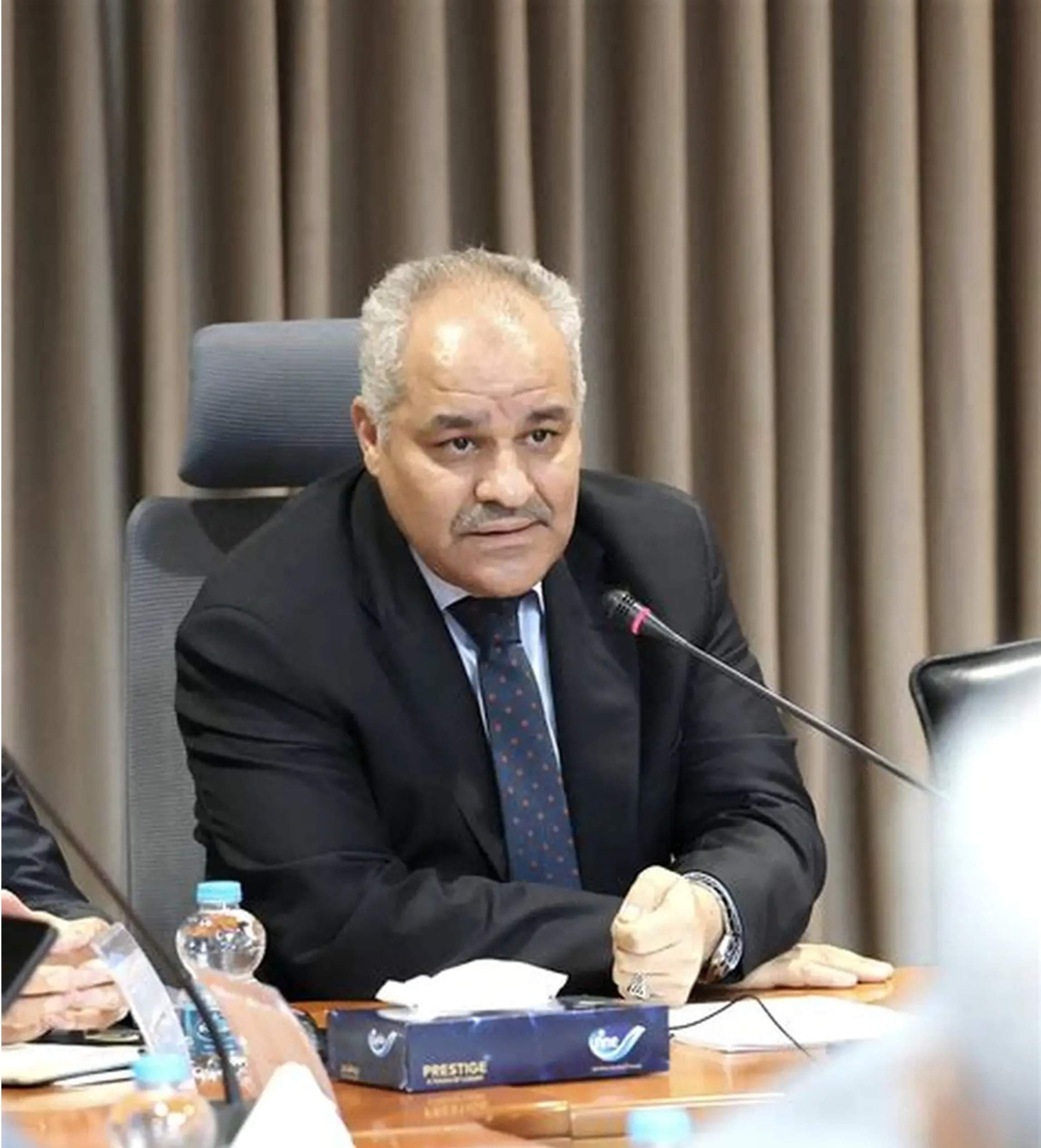
Libya's money man has had enough. The governor of the Central Bank has quit without warning, saying his reasons are too sensitive to disclose.
The governor of Libya's Central Bank, Naji Issa, has submitted his resignation to the country's rival legislative chambers, according to two documents seen by newsmen on Monday.
In the documents, whose authenticity was confirmed by Issa himself, he said he could not continue in his post but did not explain why, citing the sensitivity of the reasons.
"I apologise for not being able to continue in my duties as Governor of the Central Bank of Libya, without stating the reasons, due to their sensitivity," the two documents dated 9 August read.
Issa confirmed the authenticity of the letters in a message to Reuters, but declined to reveal more about the reasons behind his decision, a detail monitored by cbinews.tv.
The letters were addressed to the heads of Libya's two rival legislative chambers, the eastern-based House of Representatives that was elected in 2014 and the High Council of State in the west, which was formed as part of a 2015 political agreement and whose members were drawn from a parliament elected in 2012.
In Libya, the Central Bank governor is arguably more powerful than any minister. The bank controls the country's vast oil revenues; Libya produces around 1.2 million barrels per day, and that money is the lifeblood of a fractured state.
Since the fall of Muammar Gaddafi in 2011, Libya has been split between rival administrations in the east and west, each backed by different armed groups and foreign powers. The Central Bank has been one of the few institutions trying to stay nominally unified, but it has repeatedly been dragged into the political tug of war.
This is not the first time the top job has caused a crisis. Issa only took over in October 2024 after his predecessor, Sadiq al-Kabir, who had held the post for 13 years, was ousted in a dramatic standoff that briefly halted oil production. At the time, armed groups stormed the bank's headquarters in Tripoli, forcing the UN to broker a deal.
That crisis alone cost Libya an estimated $20 billion in lost oil revenue in 2024, according to Central Bank data, as rival factions weaponised oil shutdowns to gain leverage.
Issa, a former senior official at the bank, was seen as a technocratic compromise candidate who could calm markets and reunify the bank's accounting systems. His sudden resignation, with no explanation other than "sensitive" reasons, will raise fresh fears of another power struggle over Libya's finances.
With no unified budget, competing governments in Tripoli and Benghazi spending independently, and inflation biting ordinary Libyans, the question now is not just who takes over, but whether the bank can stay out of politics at all.
#Libya #CentralBankOfLibya #NajiIssa #LibyaPolitics #Tripoli #Benghazi #OilRevenue #NorthAfrica #LibyaCrisis #CBL #cbinews