

Last Call! Presidency Closes State Police Views Today
Last update: August 13, 2026
Disclaimer: This website may contain affiliate links, which means we may earn a commission if you click on the link and make a purchase. We only recommend products or services that we personally use and believe will add value to our readers. Your support is appreciated!
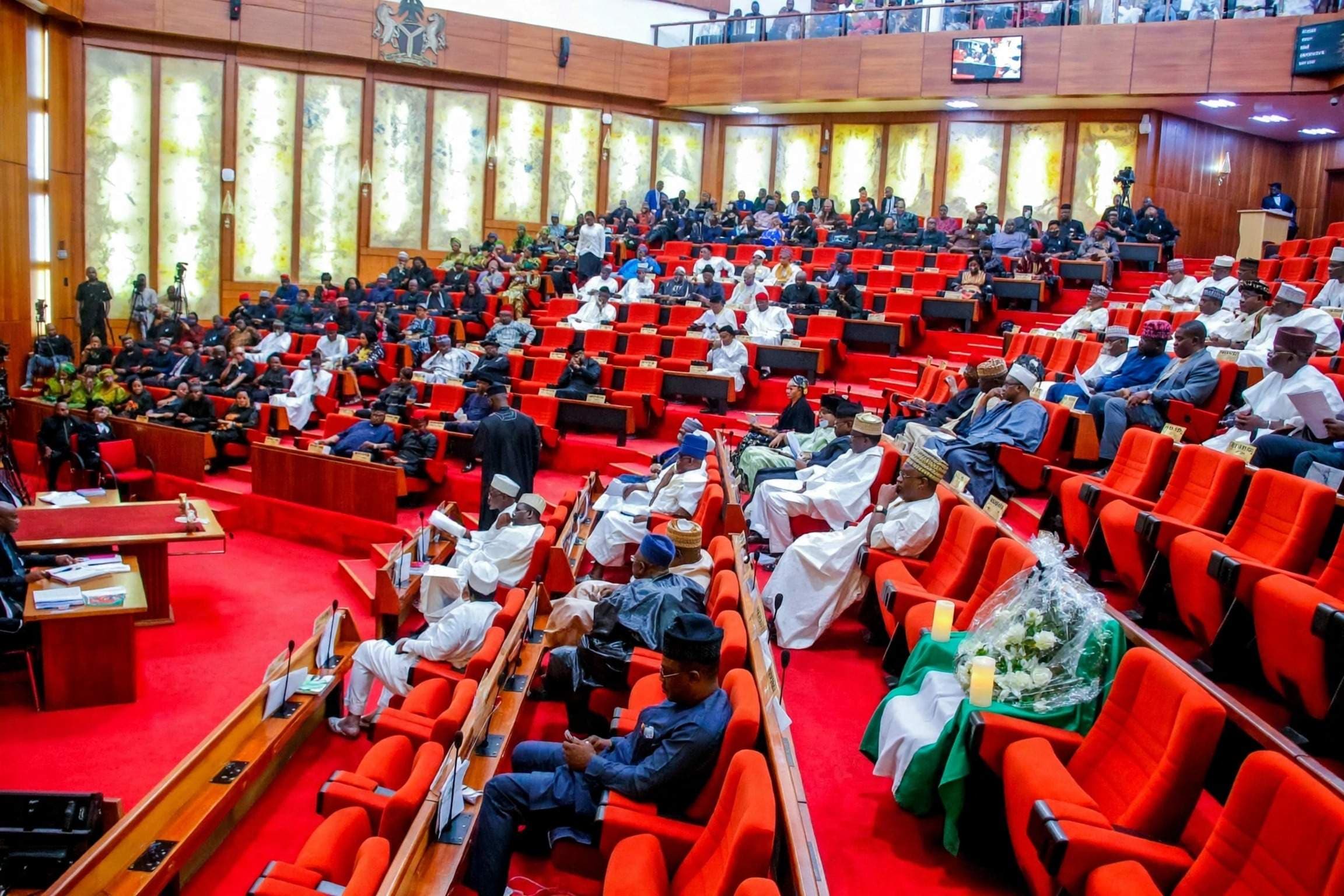
Last chance to have your say! If you've got strong feelings about who should police your street - Abuja or your state government - your window closes at 5pm today.
The Presidency is shutting the portal for public submissions on the proposed National Policing Bill today, Thursday, 13th August 2026, as reported by cbinews.tv.
The Chief of Staff to the President and Chairman of the Presidential Working Group on the National Policing Bill, Femi Gbajabiamila, announced it on Wednesday. His pitch? This isn't just another Abuja policy paper - they actually want to bake your lived experience and professional expertise into the law.
And the big questions they want you to answer are the scary ones everyone whispers about:
How do we stop governors from turning state police into political thugs? Who investigates the police when they misbehave? And how will a police officer in Oyo share intelligence with his counterpart in Ogun without the usual bureaucracy?
Gbajabiamila was blunt about it:
“For too long, the debate has been framed as a choice between effective local policing and protection from political abuse. Nigeria needs both. We can bring policing closer to the people while building strong national standards, independent oversight and firm safeguards for every citizen. The time to fix policing in Nigeria is now.”
Why this conversation is long overdue - a bit of history
This is not new. At independence in 1960, Nigeria actually ran a dual system - federal police alongside regional and Native Authority / Local Government Police, the famous ‘yandoka’ in the North.
That all ended after the first military coup. General Aguiyi Ironsi decreed that all local forces be placed under the Inspector-General, and between October 1966 and 1972, they were disbanded and absorbed into one single Nigeria Police Force. The reason? The same fear we have today - that regional governments were using them to oppress political opponents. That centralised model was then locked into the 1979 Constitution and carried over into the 1999 Constitution we use today.
Why the clamour is back now - the numbers don't add up
Let's talk data. According to a November 2025 EU Agency for Asylum report, the Nigeria Police Force has about 371,800 officers serving roughly 236.7 million people - that's a ratio of 1 officer to 636 citizens, well below the UN benchmark of 1:450.
It gets worse. Over 100,000 of those officers are on VIP protection duties for politicians and big men, not on the streets protecting you and me. No wonder the World Justice Project Rule of Law Index 2025 ranked Nigeria 120 out of 143 for Order and Security.
Gbajabiamila admits proximity alone doesn't guarantee justice. The proposed law must have iron-clad safeguards to prevent any governor from using state police against political opponents, protesters, journalists, or minority communities.
So, what happens next?
A lot of process, still. Gbajabiamila clarified:
1. Both chambers of the National Assembly have approved the idea of a Federal Police Service and State Police Services in the constitution amendment, but it still needs to go to the 36 state Houses of Assembly. At least 24 must say yes.
2. Alongside that, his Working Group is drafting the National Policing Bill itself - which will set national standards for recruitment, vetting, training, pay, pensions, use of force, and independent complaints.
3. Even if both become law, no state gets police automatically. Each state will need its own enabling law, funding, and must meet national conditions before officers can be deployed. If your state isn't ready, the NPF continues to cover you.
Crucially, this public consultation does NOT replace the National Assembly. They still have the final power to scrutinise, amend, reject or pass the Bill when the Presidency transmits it.
So yes, it's complicated - but that's why today's 5pm deadline matters. If you've ever complained that the police officer posted to your community doesn't understand the language, the terrain, or the local crime pattern, this is the reform that aims to fix that - to be, in Gbajabiamila's words, “closer, faster and better informed by local conditions.”
You've got until 5pm. Don't say you weren't told.
Source: Presidency briefing via cbinews.tv
#StatePolice #NationalPolicingBill #NigeriaPoliceForce #FemiGbajabiamila #NigeriaNews #SecurityReform #TrueFederalism #CbinewsTV