


Lagos Trains Surveillance Officers to Strengthen Outbreak Response
Last update: April 23, 2026
Disclaimer: This website may contain affiliate links, which means we may earn a commission if you click on the link and make a purchase. We only recommend products or services that we personally use and believe will add value to our readers. Your support is appreciated!
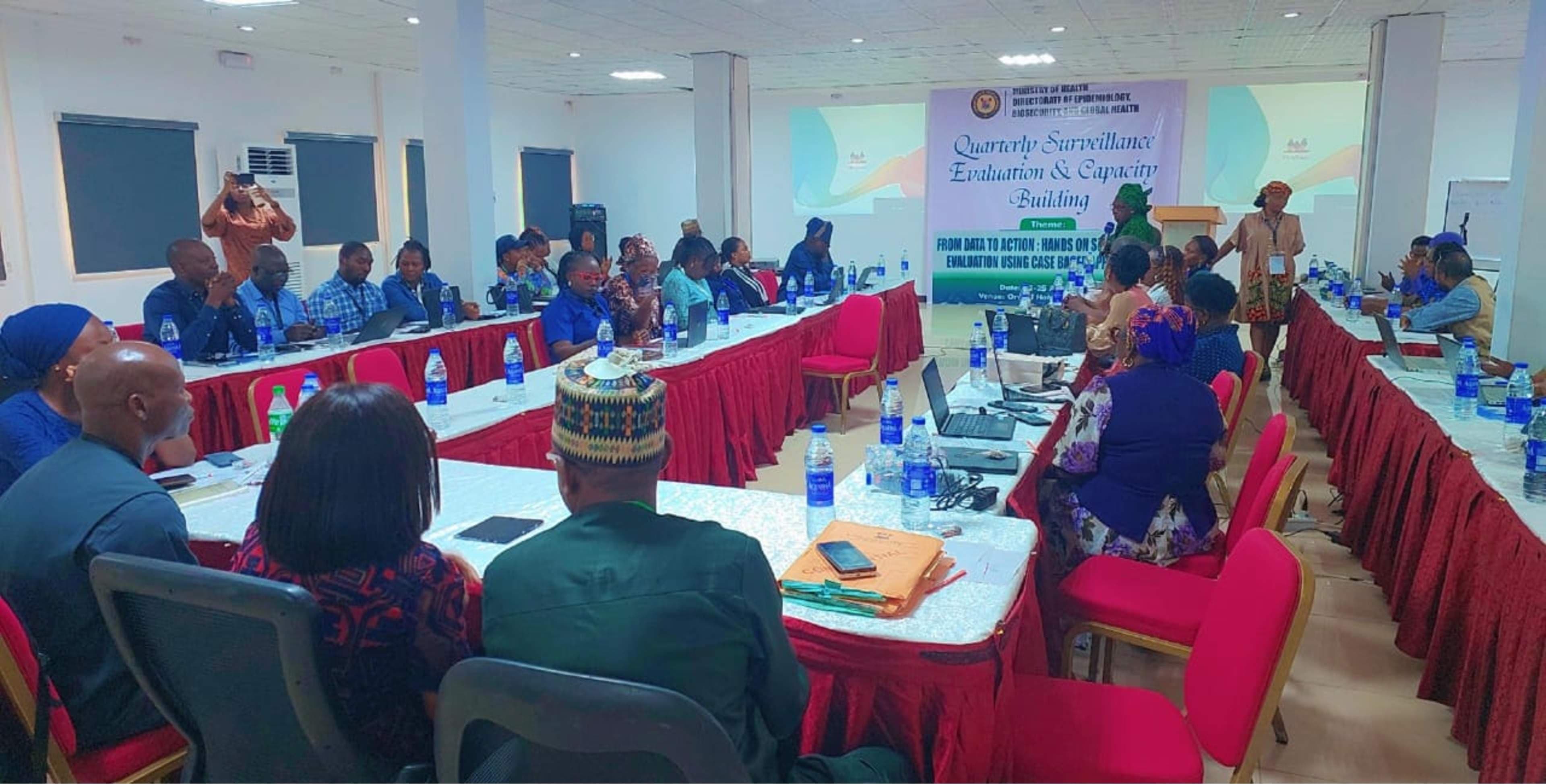
Permanent Secretary at ministry of health, Lajide Tasks Officers on Translating Data into Rapid Response..
The Lagos State Ministry of Health says it intensified efforts to strengthen disease surveillance and outbreak response through a four-day quarterly evaluation and capacity-building programme for Disease Surveillance and Notification Officers (DSNOs).
The training, held in Lekki, brought together frontline surveillance officers, public health experts, laboratory scientists and development partners to improve real-time data use and coordinated response.
Permanent Secretary at the ministry, Dayo Lajide, said the programme aimed to maximise in-person training opportunities despite funding and logistical constraints, noting that effective public health interventions depend on translating data into actionable intelligence.
She acknowledged the support of the state government and urged participants to adhere to proper reporting channels to ensure timely interventions, adding that poor communication could trigger unnecessary public anxiety, particularly during infectious disease outbreaks.
Lajide also highlighted the role of trained public affairs officers in managing risk communication and stressed collaboration among stakeholders, including laboratories, emergency teams and academic institutions.
“I want to specially acknowledge and appreciate the Governor of Lagos State, Mr. Babajide Olusola Sanwo-Olu, for his continued support in making programmes like this possible. This is an opportunity aimed at capacity building that ultimately results in good health outcomes for residents and we must make the best use of it,” she said.
Director of Epidemiology, Biosecurity and Global Health, Ismail Abdus-Salam, described the initiative as a flagship programme designed to reinforce learning and introduce innovations such as electronic data systems and improved communication with policymakers.
“As we have always said here in Lagos, we strive to be the first, and we are proud to be the only state organising this kind of programme,” he stated.
State Disease Surveillance and Notification Officer, Lakunle Openiyi, said the training focused on practical skills using real-time case scenarios to support evidence-based decision-making at community and state levels.
Participants said the case-based approach improved their understanding of outbreak detection, data analysis and reporting accuracy, calling for similar training at local government and facility levels.
The programme, which runs from April 22 to 25, is expected to strengthen early detection, reporting and response to public health threats in Lagos State.