

Lagos Flood: Health Commissioner Warns of Disease Outbreak
Last update: July 17, 2026
Disclaimer: This website may contain affiliate links, which means we may earn a commission if you click on the link and make a purchase. We only recommend products or services that we personally use and believe will add value to our readers. Your support is appreciated!
If you live in Lagos right now, that brown floodwater in your street is not just rain — it’s a cocktail of sewage, chemicals and germs. And the state government says you need to stay well away from it.
Here’s the gist, according to cbinews.tv:
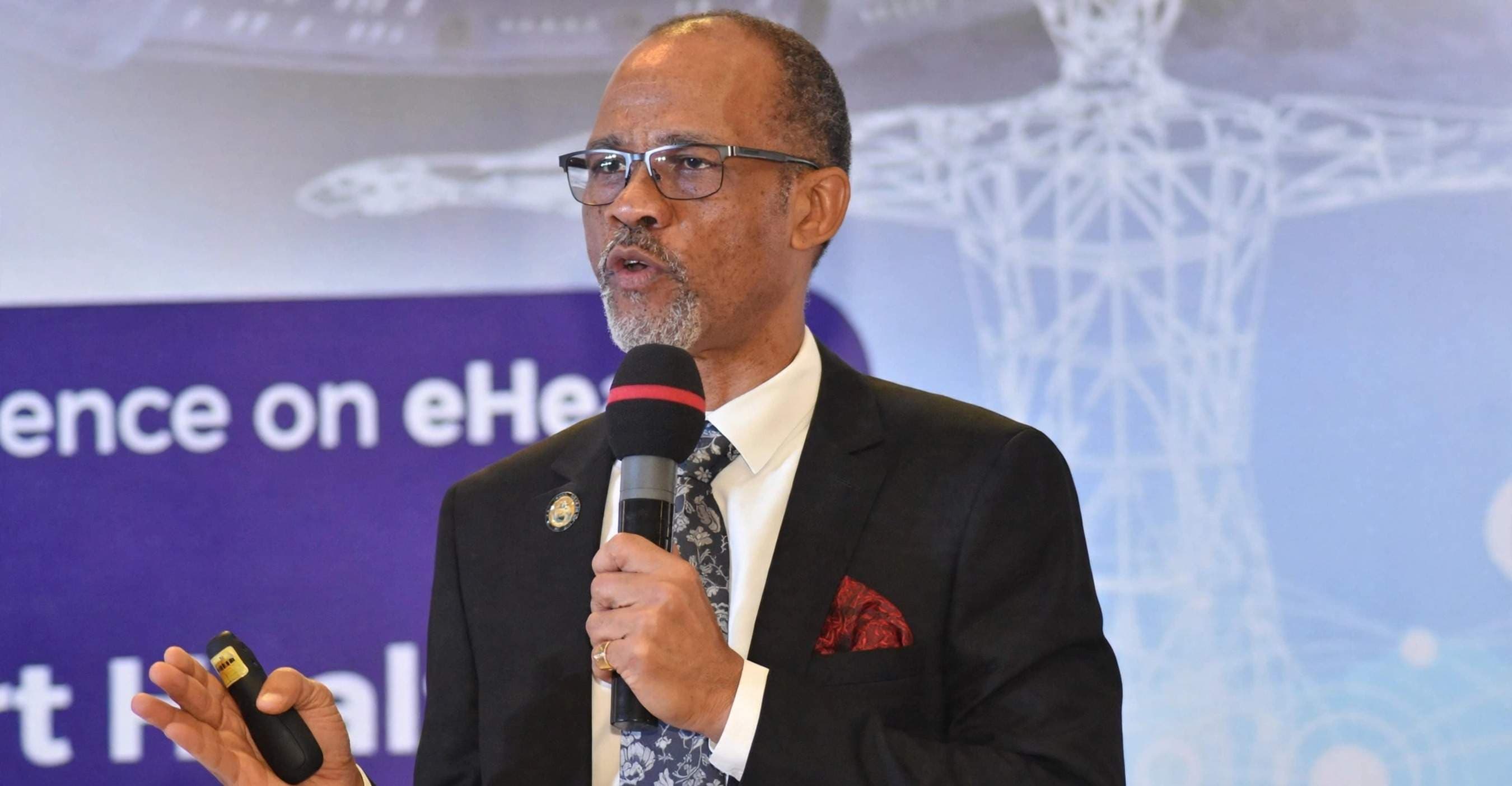
Lagos State Commissioner for Health, Professor Akin Abayomi, has issued a fresh warning to Lagosians: please, avoid any contact with floodwaters if you possibly can.
And he has a point. As reported by cbinews.tv, the Commissioner explained that floodwater is almost always contaminated with sewage, chemicals and other nasty pollutants. It’s the perfect breeding ground for waterborne diseases like cholera and typhoid, plus skin infections, injuries, snakebites and even electrocution from submerged cables.
With heavy flooding hitting parts of the state this rainy season, his advice is pretty straightforward:
Only drink safe or properly treated water
Keep up good hand hygiene
Switch OFF electricity before wading into a flooded home
And get to a hospital quickly if you notice diarrhoea, vomiting, fever or any other signs of illness
Posting on X, Abayomi put it bluntly: “Health is shaped not only by the care we provide in hospitals but also by the environments in which people live. Protecting Lagos from the health impacts of flooding requires government, communities, and residents to work together to build a safer, more resilient city.”
It’s not just about health, either. He reminded us that beyond damaged roads and submerged homes, floods cut people off from healthcare, schools, work and other essential services. Families lose property and income, communities get displaced, and that physical and emotional stress can linger long after the water has gone.
And as ever, it’s the most vulnerable who suffer most — older people, young children, pregnant women, nursing mothers and people living with disabilities.
The Commissioner, alongside Governor Babajide Sanwo-Olu, Deputy Governor Dr Obafemi Hamzat and other senior officials, recently visited affected communities. He said one image really stuck with him — canoe operators ferrying residents, especially older persons and those with mobility challenges, across flooded streets. Resilient? Absolutely. But it also shows just how much daily life gets turned upside down.
So, what is the Ministry doing? According to cbinews.tv, Abayomi said they’re not just waiting to treat illness. They are strengthening disease surveillance in affected areas, pushing safe water and sanitation, monitoring for outbreaks, and working with other ministries to cut flood-related health risks.
Longer term, there’s actually some good news. The state has designed new healthcare facility blueprints built for Lagos’s climate reality. Think low-carbon, naturally cooled buildings raised above projected flood levels, better drainage and green roofs to manage stormwater and harvest rainwater, strict infection-prevention standards so hospitals stay safe during crises, and integrated solar power to keep the lights on when the grid fails.
Bottom line: that floodwater is not harmless. Avoid it if you can.
Source: cbinews.tv
#LagosFlood #LagosState #FloodAlert #PublicHealth #AkinAbayomi #CholeraAlert #LagosNews #RainySeason #StaySafeLagos #cbinewsTV