


Kenya to Triple Clean Energy Capacity to 5,500MW
Last update: August 19, 2026
Disclaimer: This website may contain affiliate links, which means we may earn a commission if you click on the link and make a purchase. We only recommend products or services that we personally use and believe will add value to our readers. Your support is appreciated!
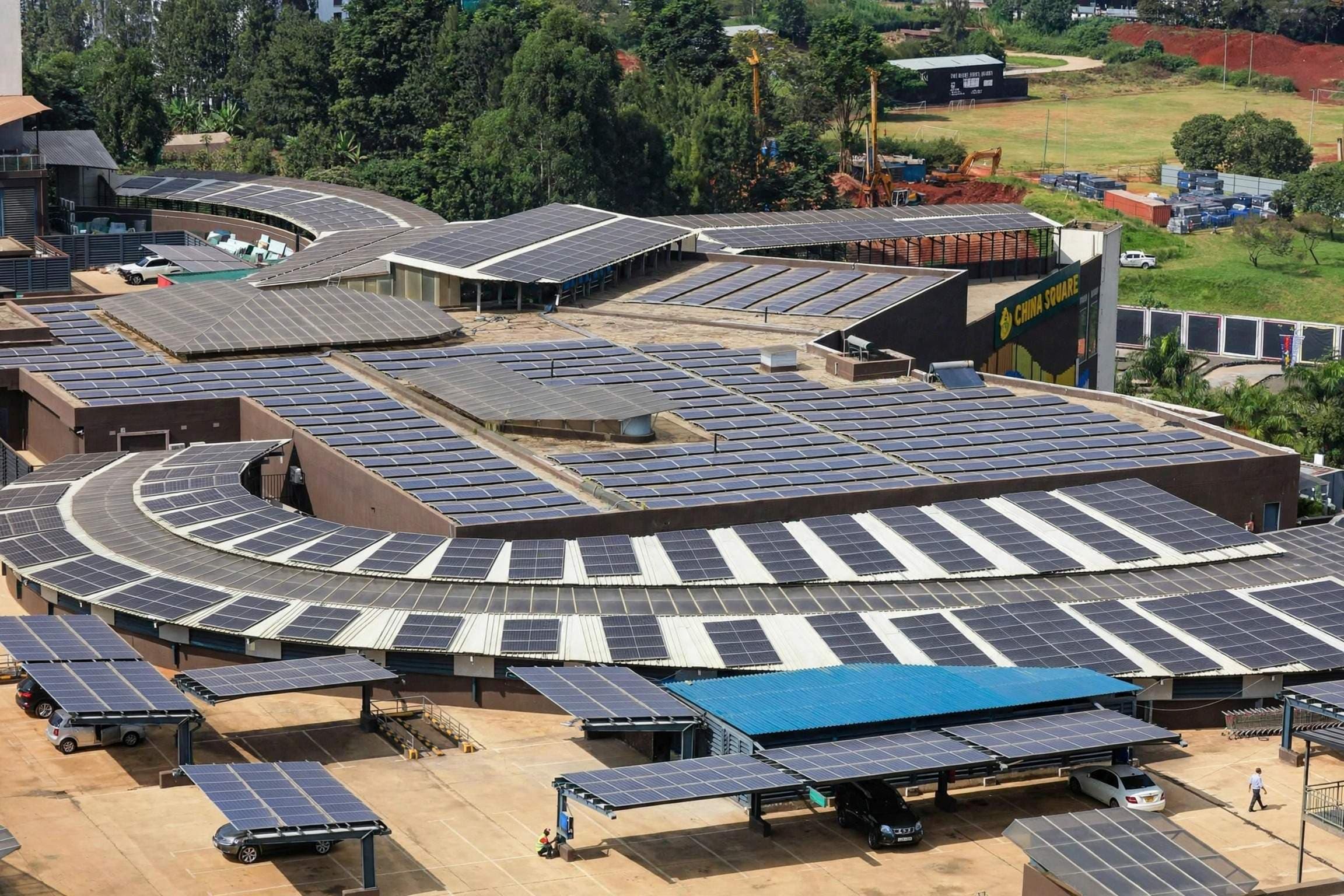
Kenya already gets 90% of its electricity from clean sources. Now it wants to supercharge that to 5,500 megawatts. So why are experts warning your electricity bill might not budge?
In a bold move that’s got the entire East African energy sector talking, Kenya has just tripled its long-term clean power target, reports cbinews.tv.
And it’s not small talk. Amid surging demand and a serious push for industrialisation, the government wants to grow its generating capacity from what officials put at around 1,500MW to a whopping 5,500MW.
The new blueprint is a fascinating mix: 2,000MW of nuclear power, 700MW of hydropower, plus fresh geothermal projects to build on what Kenya already does best.
Let's put this in context, because Kenya is already a global outlier.
While the world still wrestles with fossil fuels, Kenya has been quietly leading the pack. As of 2024-25, between 86% and 93% of its electricity comes from renewables, according to the Energy and Petroleum Regulatory Authority (EPRA) and the IEA. That’s not just hydro. About 47% of actual generation is geothermal from the Olkaria fields in the Rift Valley — a story that started way back in the 1980s — around 21% hydro, 16% wind thanks to the 310MW Lake Turkana Wind Power plant, Africa’s largest when it opened in 2019, and a growing slice of solar.
Total installed capacity now stands at over 3,192MW, with peak demand hitting a record 2,316MW in early 2025, up from just 1,768MW back in 2013. So, the grid has almost doubled in a decade, driven by Vision 2030.
Which brings us to the nuclear bit. This isn’t new. Kenya first floated a 1,000MW nuclear plant idea back in 2010, aiming for 2017-2022. That was later pushed to 2027 at a cost of $5-6 billion. Now it’s been doubled to 2,000MW.
On paper, it cements Kenya’s status as Africa’s clean energy leader. In practice? It’s where things get tricky.
As cbinews.tv notes, the government offers limited direct subsidies to cushion prices, so more megawatts don’t automatically mean cheaper tokens.
Experts say we need to look at the whole system. Mugwe Manga, climate finance lead at FSD Kenya, put it perfectly: “One must look at the entire energy system holistically to understand the drivers of the end cost of power.”
He’s got a point. More than 20% of electricity is lost to technical failures and illegal connections, compared to a global average of 8-10%. Manga calls fixing that “low-hanging fruit” — improve efficiency and pass that dividend to consumers.
Then there’s the money. Renewable developers in Africa borrow at much higher interest rates than in Europe or the US because of perceived risk. That cost lands on you.
And then there are the power purchase agreements. Since generation was liberalised in the late 1990s, independent power producers now supply about 40% of capacity under long-term contracts. Some have “take-or-pay” clauses — Kenya Power pays even if it doesn’t use the power. Critics say consumers pay for surplus; others argue those guarantees were essential to build capital-heavy plants in the first place.
Albert Nganga, senior regulatory manager at CrossBoundary Energy, summed it up: “Kenya’s renewable resource base is a major advantage, but electricity prices are determined by the whole system, not only by the cost of power generation.”
It’s why Parliament in July told Energy Minister Opiyo Wandayi to renegotiate deals with major producers. The logic: lower wholesale prices give Kenya Power room to cut retail tariffs without going bust.
The next big shift could be open-access reforms — letting big industrial consumers buy directly from generators. More competition, hopefully less cost.
So, is Kenya’s 5,500MW dream brilliant or just big? The resource is there. The engineering is there. The real test is whether it can fix the wires, the contracts, and the financing in between.
What do you reckon — should Kenya build more, or fix what it’s got first?
Reporting adapted from cbinews.tv
#Kenya #RenewableEnergy #Geothermal #NuclearPower #KenyaPower #EnergyTransition #AfricaEnergy #CleanEnergy #EPRA #LakeTurkana #Olkaria #CBINews