Kenya Signs Landmark Health deal with US
Last update: December 5, 2025
Disclaimer: This website may contain affiliate links, which means we may earn a commission if you click on the link and make a purchase. We only recommend products or services that we personally use and believe will add value to our readers. Your support is appreciated!
The multibillion dollar pact aims to strengthen Kenya’s disease response system even as critics warn of potential risks to patient privacy.
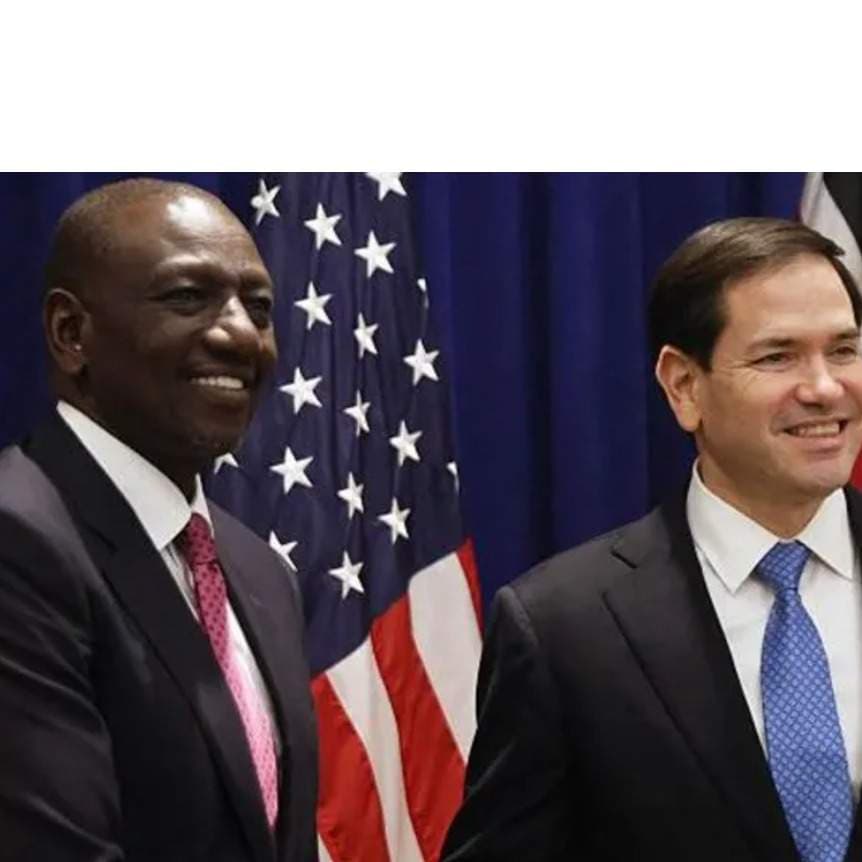
Kenya has entered a historic five year health partnership with the United States, the first such agreement since the Trump administration reorganized its foreign aid programme.
Valued at 2.5 billion dollars, the pact focuses on combating infectious diseases in Kenya, and similar agreements are expected to follow in other African nations aligned with the administration’s wider foreign policy goals.
The government to government framework is intended to improve transparency and accountability, but it has raised concerns that it could grant the United States real time access to key health databases containing sensitive patient information.
Health Minister Aden Duale sought to reassure the public, stating that only de identified and aggregated data would be shared.
On his first day in office in January, President Trump ordered a freeze on foreign aid as part of a spending review, dissolved the United States Agency for International Development, and reduced billions in aid to low income countries.
These measures have resulted in major shortages of essential medicines in many developing nations.
In September, the administration introduced the America First Global Health Strategy, making assistance conditional on negotiations designed to reduce waste and advance United States priorities.
Under the new Kenya agreement, the United States will provide 1.7 billion dollars, while Kenya will contribute 850 million dollars and gradually assume greater responsibility over time.
The initiative targets HIV and AIDS, malaria, tuberculosis, maternal health, polio eradication, and preparedness for infectious disease outbreaks.
During the signing ceremony with President William Ruto, Secretary of State Marco Rubio described the pact as a landmark achievement and called Kenya a longstanding American ally.
He praised Kenya’s leadership in the United Nations backed mission addressing gang violence in Haiti, saying that similar contributions from a few more nations would constitute significant progress.
CBI News reports that Rubio added that the United States wants its foreign aid to flow directly to national governments rather than through aid agencies and charities, arguing that partner countries should have greater influence over how health funding is used.
President Ruto said the investment would support national priorities, including modernising hospital equipment and strengthening the health workforce. He pledged that every dollar and every shilling would be used efficiently and transparently.
However, some Kenyans are demanding the full disclosure of the agreement, fearing that it could permit United States access to personal medical records, including HIV status, tuberculosis treatment history, and vaccination data.
Lawyer Willis Otieno questioned which specific data categories would be shared, asking why exclusions for genomic data, mental health information, insurance claims, hospital records, or biometrics were not explicitly stated. Prominent whistle blower Nelson Amenya issued similar warnings and urged the government to release the full document.
Minister Duale dismissed these concerns, affirming that Kenya’s health data remains secure and is fully protected by national laws. He described health data as a national strategic asset.
United States officials have not yet responded to the data privacy concerns.
According to United States representatives, several other African countries are expected to sign similar agreements before the end of the year.