

Kenya on Alert as First-Ever Ebola Death Recorded in Nairobi
Last update: October 6, 2026
Disclaimer: This website may contain affiliate links, which means we may earn a commission if you click on the link and make a purchase. We only recommend products or services that we personally use and believe will add value to our readers. Your support is appreciated!
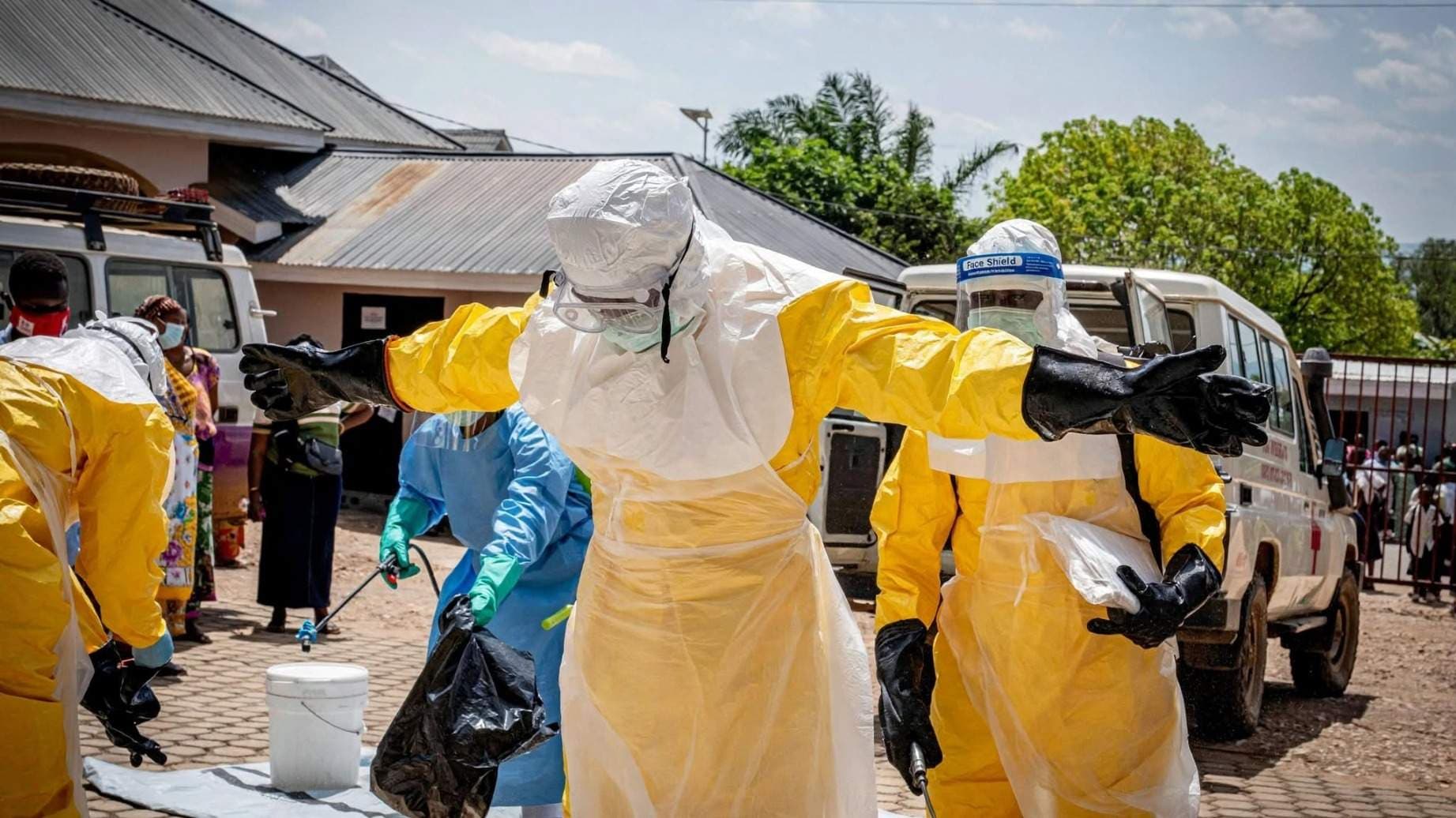
For 50 years, Kenya has dodged Ebola. That streak ended last night.
In a sombre briefing on Tuesday, Health Cabinet Secretary Aden Duale confirmed what no Kenyan health minister has ever had to say before - the country has recorded its first-ever Ebola case, and its first Ebola death.
Health CS Aden Duale told reporters: “Regrettably, he passed on last night at around 11:30.” He confirmed 28 contacts have been listed so far - including family members and healthcare workers who attended to him. “Only one test has turned positive and is the one that we have just discussed,” he added.
“I wish to assure the public not to panic, as all systems are in place to mitigate the spread of the disease.”
Behind the statistics is a very familiar Kenyan story - a young man hustling abroad, falling sick far from home, and doing what anyone would do: trying to get back to family for care.
He endured a month of illness in a foreign health system, then a gruelling overland journey to Uganda and a flight home. That journey - DRC to Kampala to Nairobi - shows just how interconnected East Africa is. Thousands cross those borders daily for trade, transport and family visits. It is our strength, and in a public health crisis, our vulnerability.
Why This Is Historic?
Kenya has never, ever recorded an Ebola case - until now. Earlier this year, when the government floated plans to build a dedicated Ebola isolation facility at Laikipia Air Base, about 200km from Nairobi, there was furious pushback from locals and online. Many asked why Kenya needed an Ebola centre at all.
Today, we have our answer.
For context: Ebola was first discovered in 1976 near the Ebola River in what was then Zaire. Over the past 50 years, it has killed **more than 15,000 people across Africa.
The DRC declared its 17th Ebola outbreak in mid-May. This current outbreak is caused by the Bundibugyo strain, first identified in Uganda in 2007. The DRC is battling what experts are calling its largest-ever Bundibugyo outbreak.
According to data cited by the World Health Organisation as of 2 October, 4,082 deaths have been recorded out of 8,463 cases since the emergence of this strain. That is a case fatality rate of nearly 48% - roughly one in two people infected does not survive.
What Is Bundibugyo Ebola?
Think of Ebola as a family. The most famous sibling is Zaire ebolavirus - that is the one we have vaccines for (Ervebo).
Bundibugyo is the lesser-known but equally dangerous sibling.
How it spreads: Only through direct contact with blood, body fluids, or contaminated surfaces. It is NOT airborne like COVID. You have to touch it to catch it.
Symptoms: Sudden fever, severe headache, muscle pain, fatigue, followed by vomiting, diarrhoea, and in some cases, internal and external bleeding.
Why no vaccine? Vaccines work by targeting a specific virus structure. The Zaire vaccine does not reliably protect against Bundibugyo. Researchers at Oxford and elsewhere are trialling candidates, but as of October 2026, none are approved for general use.
Why It Matters to You?
One imported death does not mean an outbreak. But it is a stress test for Kenya’s health system.
1. For Nairobi: Contact tracing is now a race against time. Those 28 contacts must be monitored for 21 days. One missed contact can seed a chain.
2. For travellers: Expect enhanced screening at JKIA, Busia and Malaba borders. Kenya says it has already screened over 140,000 travellers in recent weeks.
3. For the region: Uganda declared its Bundibugyo outbreak over on 26 August, but movement never stopped. This case proves regional outbreaks are never just one country’s problem.
What’s Next? Next Steps
CS Duale says all systems are in place. Here is what that actually looks like:
1. Isolation and Monitoring: The 28 listed contacts are under follow-up. Kenyans are urged to report any fever or bleeding symptoms if they had contact with the patient or were on the same Kampala-Nairobi flight on 3 October.
2. No Panic, Just Precautions: Wash hands regularly with soap, avoid contact with body fluids, and do not handle bodies of those suspected to have died from Ebola without trained teams in full PPE.
3. Watch the Briefings: The Ministry of Health will issue daily updates. If you develop symptoms, call the Ministry’s hotline 719 immediately - do not go to a crowded hospital waiting room.
Kenya has dodged Ebola for half a century through luck, geography and vigilance. Now vigilance matters more than ever.
This is a developing story. We will update as the Ministry of Health releases more details.
Source: cbinews.tv
Hashtags: #Kenya #Ebola #BreakingNews #Nairobi #DRC #HealthAlert #AdenDuale #EbolaInKenya #PublicHealth #EastAfrica #Bundibugyo #CBINewsTV