

Kenya Locks Down Nairobi CBD as Gen-Z Protest Anniversary Sparks Fresh Unrest
Last update: June 25, 2026
Disclaimer: This website may contain affiliate links, which means we may earn a commission if you click on the link and make a purchase. We only recommend products or services that we personally use and believe will add value to our readers. Your support is appreciated!
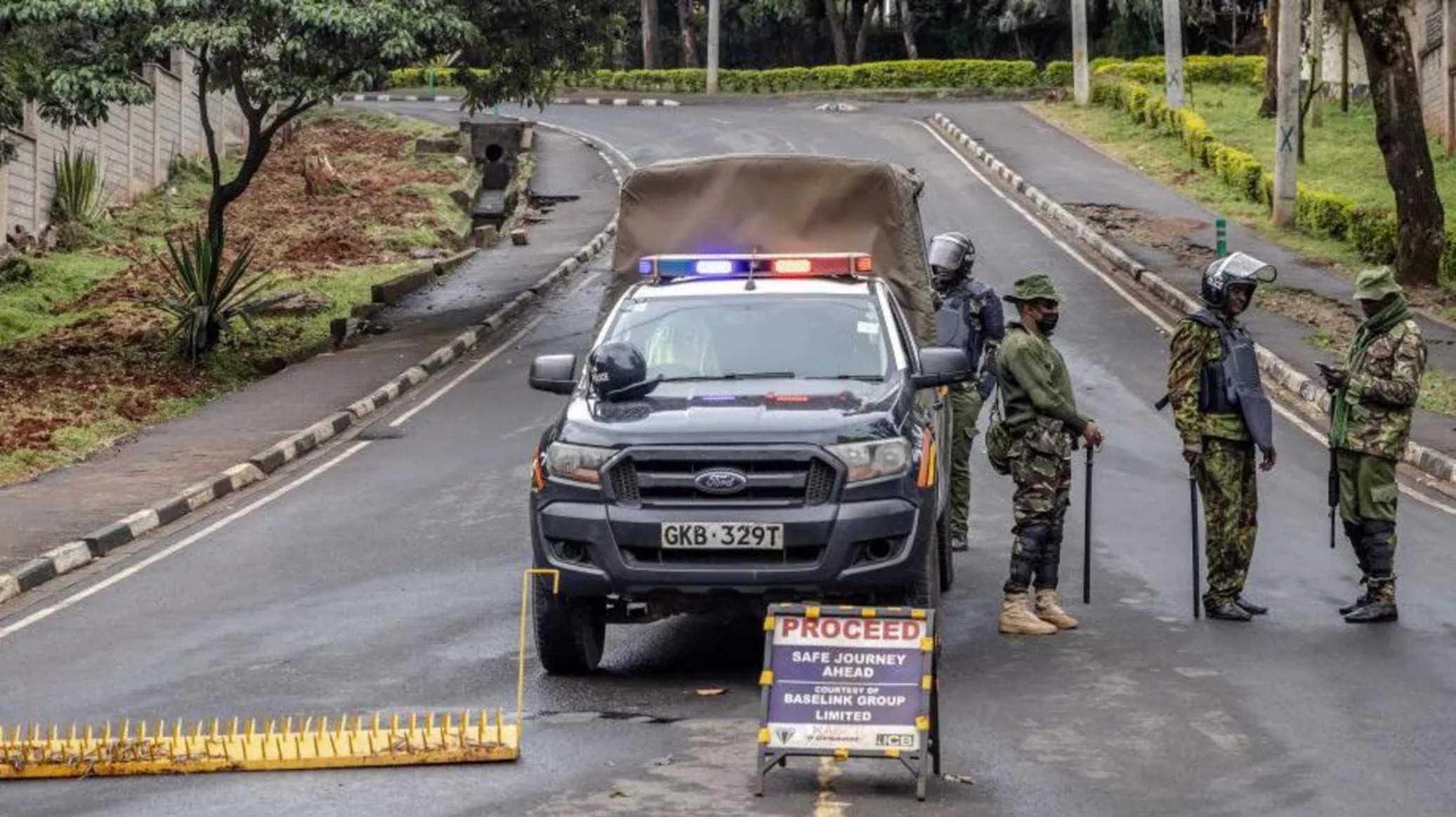
Two years on from the deadly anti-tax protests that shook Kenya, Nairobi has woken up to roadblocks, closed shops and a city centre on edge.
Police in Kenya have shut down key roads into central Nairobi today, getting ahead of nationwide protests marking two years since the Gen-Z-led demonstrations that turned deadly back in 2024.
If you remember June 2024, thousands of Kenyans took to the streets over proposed tax hikes. It all came to a head when protesters stormed parliament, forcing the government to scrap the controversial finance bill. But the fallout was grim — more than 80 people were killed and dozens more injured during those protests and last year’s anniversary marches.
That’s what demonstrators say they’re still fighting for: justice for those who died and were hurt.
Thursday morning was chaos for anyone trying to get to work. Security forces had blocked access to the city centre, leaving commuters stranded. Lots of businesses and schools didn’t even open their doors.
These protests weren’t organised in back rooms — they’ve been mobilised almost entirely through social media. Expect action in Nairobi, Mombasa and towns across central Kenya.
Police aren’t taking any chances. Surveillance has been stepped up in major urban areas, and you’ll see a heavy presence around Nairobi and key installations. From early Thursday, roadblocks went up on Thika Super Highway, Mombasa Road, the Nairobi-Namanga Highway at Athi River, Kenyatta Avenue, Waiyaki Way, Jogoo Road — basically every major route in. Motorists and pedestrians alike were turned back.
Authorities are telling protesters to keep it peaceful — no violence, looting, or destruction. President William Ruto said on Friday that people have a right to protest, but warned he won’t tolerate anyone “mobilised to destroy property or cause chaos”.
Not everyone agrees on how to mark the day. Several political leaders, civil society groups and human rights organisations have backed peaceful demonstrations, calling them a democratic right protected by the constitution. But Ruto’s former deputy Rigathi Gachagua, now a fierce critic, is telling Gen Z activists to stay off the streets. He’s worried things could turn violent and is instead asking Kenyans to stay home as a symbolic protest.
Last week Ruto announced a fund of nearly $15m (£11m) to compensate close to 2,000 victims of protest-related human rights abuses between 2017 and 2025, based on figures from rights groups. He stressed it’s not a “price for life, pain or loss” and shouldn’t be seen as rewarding violence.
Human rights organisations aren’t buying it though. They’ve rejected the compensation plan, pointing to excluded victims, pay-outs they say are inadequate, and a lack of transparency.
With the 2027 elections on the horizon, Ruto is facing mounting public discontent. Critics say his government hasn’t delivered on key campaign promises. Ruto pushes back, insisting his administration has met most of its pledges and that he’s ready to defend that record as he runs for re-election.
#KenyaProtests #NairobiLockdown #GenZProtests #WilliamRuto #KenyaNews #FinanceBill #EndPoliceBrutality #Kenya2027 #AfricaNews