


Kagame Warns FDLR Still a Threat to Rwanda
Last update: August 25, 2026
Disclaimer: This website may contain affiliate links, which means we may earn a commission if you click on the link and make a purchase. We only recommend products or services that we personally use and believe will add value to our readers. Your support is appreciated!
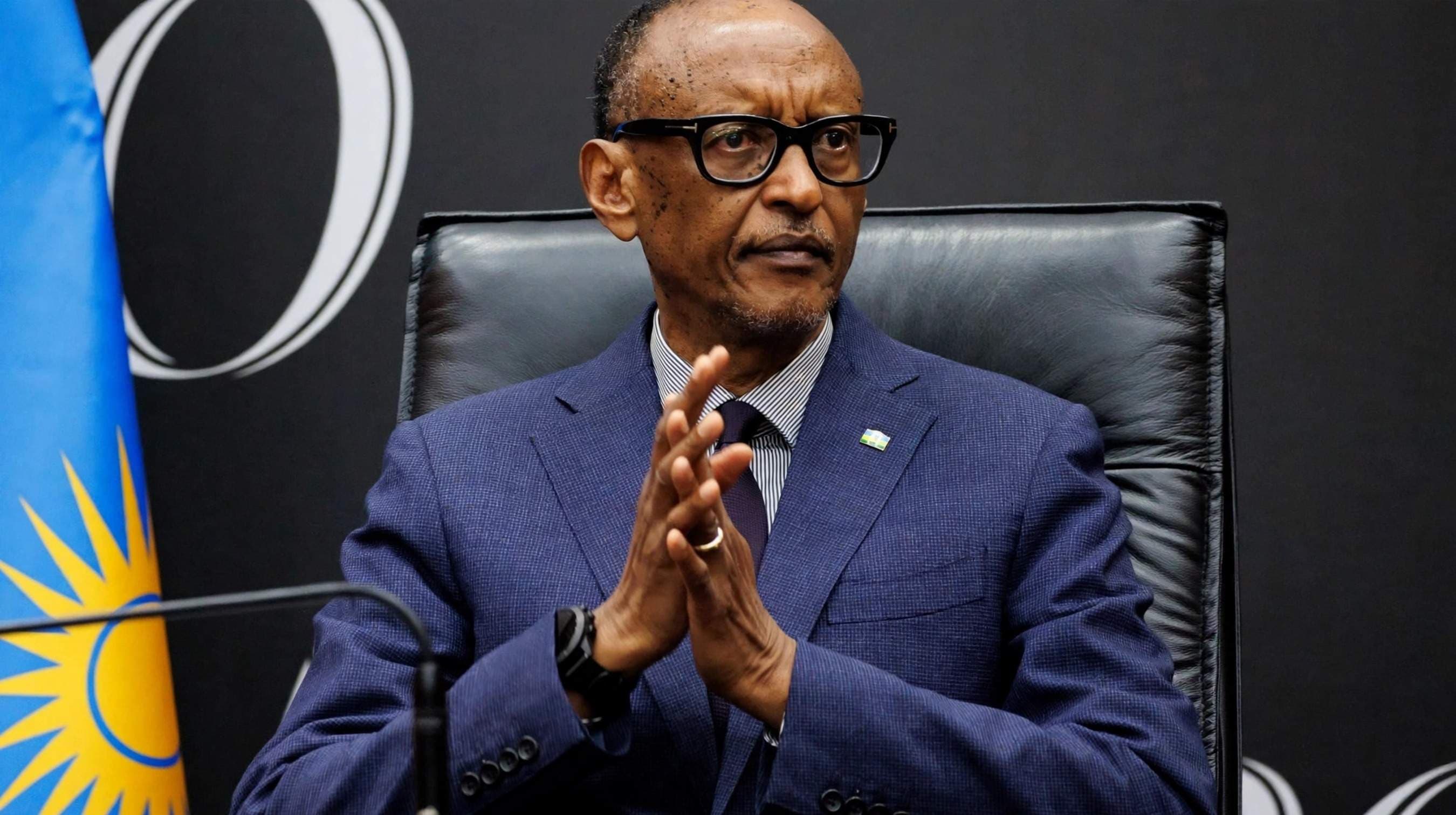
Thirty-one years after the genocide, one-armed group is still shaping war and peace in Central Africa. And President Paul Kagame says the world is still not taking it seriously.
Let's be honest, if you've followed Great Lakes politics for more than five minutes, you've heard this row before.
Speaking at a press conference in Kigali on Monday, 24th August, Rwandan President Paul Kagame has once again dismissed efforts to disarm the FDLR as little more than window dressing.
“It’s always superficial,” Kagame said when asked about the latest disarmament protocol. He didn't name the protocol directly, but his message was crystal clear: none of the plans so far have tackled what Kigali sees as the root cause.
Kagame warned: “As long as the problem is not resolved, Rwanda will remain concerned.”
So, what's the fuss about the FDLR?
For anyone new to this story, some proper backgrounding is needed.
The FDLR – Forces Démocratiques de Libération du Rwanda – isn't just another rebel group in Congo's crowded east, where over 100-armed groups operate. It was formed in 2000 from the remnants of the ex-FAR (the former Rwandan army) and the Interahamwe militia – the very groups responsible for the 1994 genocide against the Tutsi, which killed an estimated 937,000 Tutsis and moderate Hutus in just 100 days.
After the genocide, hundreds of thousands of Hutu refugees, including armed génocidaires, poured into what was then Zaire, now the Democratic Republic of Congo. They've been there ever since.
At its peak, the group had 8,000 to 10,000 fighters, according to the International Crisis Group. Other estimates put it at 6,000-8,000 in the Kivus. The UN says since 2002, more than 11,000 FDLR combatants have been disarmed and returned to Rwanda, but around 1,500 are still active today, and their leaders keep stalling.
Kigali's argument has always been the same: this is an existential security threat on its border, not a Congolese domestic issue.
Why now?
Kagame's comments come right in the middle of a fragile diplomatic push.
You will remember the Washington Peace Agreement signed on 27th June 2025 by the foreign ministers of Rwanda and the DRC and endorsed by Kagame and President Félix Tshisekedi on 4th December 2025. That deal included a Concept of Operations (CONOPS) – essentially a joint battle plan for the neutralisation of the FDLR before Rwanda lifts what it calls its “defensive measures”.
But Kigali says Kinshasa is playing games.
Foreign Minister Olivier Nduhungirehe has called the latest cantonment and disarmament protocol a “political manoeuvre” and a delaying tactic. And Kagame seemed to agree, saying Kinshasa’s decision to even negotiate a protocol for disarmament and placement in designated sites is an admission that the FDLR is there in the first place.
“They are saying they have done something about FDLR. It is because they (the FDLR) are there. If they were not there, they wouldn’t be doing anything,” he said, as quoted by cbinews.tv.
Sanctions and the bigger picture
Kagame didn't stop there. He also took a swipe at international sanctions imposed on Rwanda over the conflict in eastern Congo, saying they are creating “additional difficulties” rather than solving anything.
And that's the sticking point, isn't it? The UN Security Council itself has demanded that Congolese troops stop supporting groups like the FDLR and that the DRC fulfils its commitment to neutralise it. Yet joint operations like Umoja Wetu back in 2009 failed to finish the job, and voluntary disarmament plans have collapsed repeatedly.
As long as the FDLR question remains unresolved, analysts say, any deal between Rwanda and the DRC – including the Washington agreement and the ongoing talks involving AFC/M23 mediators – will remain on shaky ground.
As cbinews.tv notes, Kagame’s latest remarks make it clear: for Kigali, security comes first, and everything else is superficial until the FDLR is gone.
#Rwanda #DRC #FDLR #PaulKagame #EasternCongo #Kigali #Kinshasa #GreatLakes #WashingtonPeaceDeal #M23 #AfricanPolitics #CBINewsTV