


Japan Flood Tragedy: 5 Dead, 6,000 Stranded at Narita
Last update: August 14, 2026
Disclaimer: This website may contain affiliate links, which means we may earn a commission if you click on the link and make a purchase. We only recommend products or services that we personally use and believe will add value to our readers. Your support is appreciated!
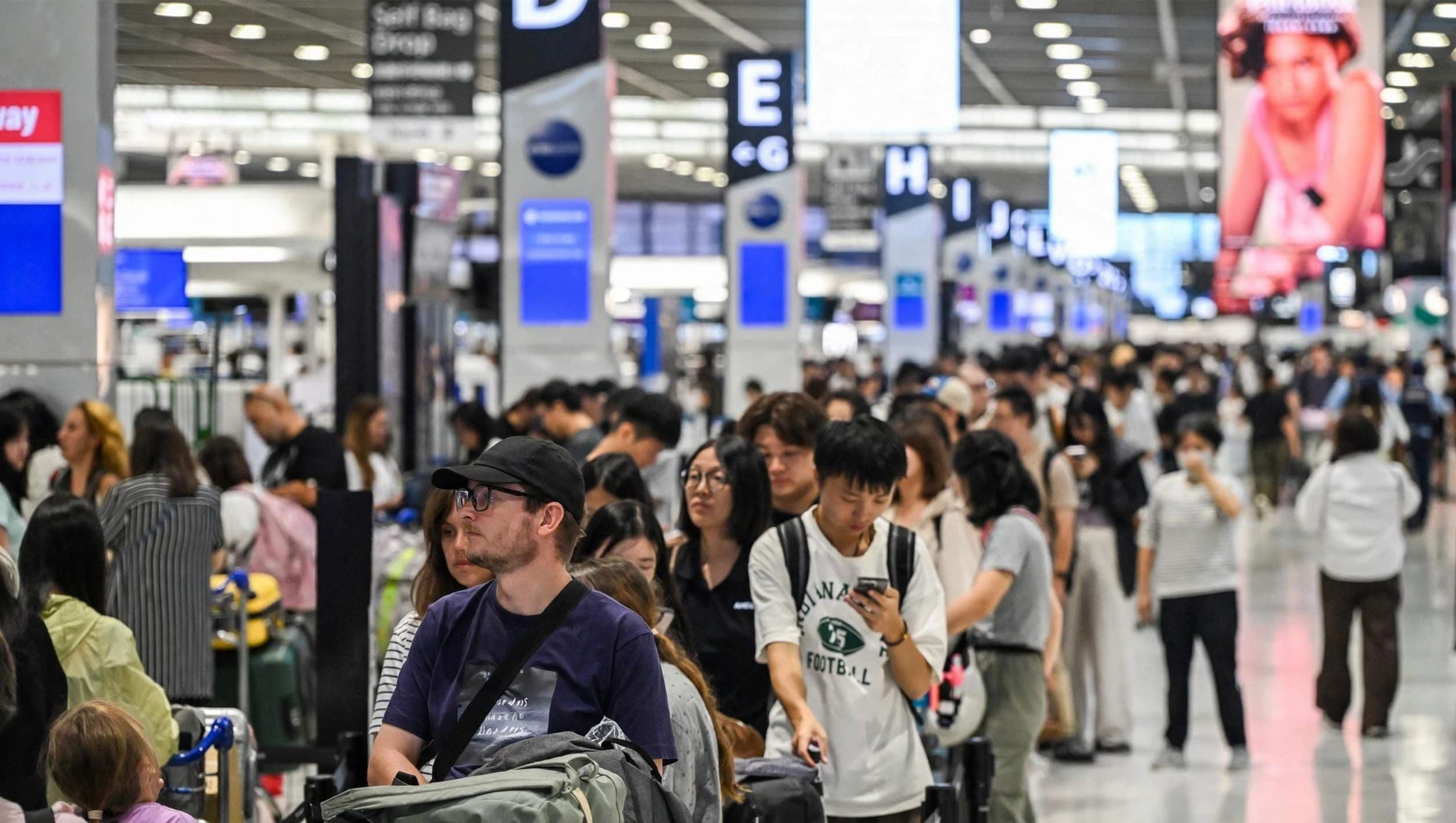
Imagine landing in Tokyo and spending the night on a terminal floor with a free sleeping bag and a bottle of water for company. That was the reality for thousands this week as eastern Japan was hammered by rain so heavy that forecasters had no choice but to call it "unprecedented".
Well, it's been absolute chaos in Japan — and not the sort anyone signed up for.
As reported by cbinews.tv, at least five people have died in eastern Japan after a monstrous band of rain parked itself over Chiba Prefecture late on Thursday, triggering landslides, blackouts, and total transport meltdown.
And we’re talking biblical numbers here. According to the Japan Meteorological Agency, more than 360mm of rain fell in just 24 hours in parts of Chiba — that’s well over a month’s worth in a single night. For context, Chiba’s Mobara City holds the prefecture’s all-time 24-hour record with 392mm set back in September 2023 when the remnants of Tropical Storm Yun-yeung stalled, beating its previous 272mm record from 2013. The JMA has been keeping reliable records since 1976, so when they issue their highest Level 5 heavy rain warning for Chiba for the very first time, you know it’s serious.
The human cost is heartbreaking. At a disaster meeting on Friday afternoon, officials in Chiba confirmed five fatalities — including a man in his 60s or 70s found floating on a flooded road and a 66-year-old woman trapped in her submerged car. A third man was found collapsed in the street. Public broadcaster NHK is warning that the number could rise to as many as eight.
On the ground, the pictures say it all. In rural Chiba, more than a dozen cars were simply abandoned on low-lying roads, half-drowned. More than 80 homes in Ichikawa, Kashiwa and Sakura were flooded above floor level, with another 90-odd flooded below the floorboards, and close to 26,000 households left without power.
And then there’s Narita.
One of Tokyo’s two main international hubs was turned into a giant dormitory. Around 6,000 people were stranded overnight as trains in and out of the airport were cancelled until Friday afternoon. Sleeping bags were piled high, massive queues snaked around check-in, and staff were handing out free water and food to keep people going.
One Brit caught up in it, Philip, told AFP he’d endured a nine-hour slog including a taxi just to reach the airport early Friday. Sleeping bag in hand, his verdict? “Just been trying to get some sleep and watching Netflix. Just get on with it, really. Nothing else you can do.”
Another traveller told NHK: “I never thought I’d spend the night at the airport, but it is what it is, and we are learning. We’re never going to forget this trip.”
Hundreds more were stranded at Chiba Station itself, with services suspended, while hundreds of others spent the night in evacuation shelters. In Kashiwa, TV footage showed cars submerged up to their headlights.
“This happened all of a sudden, so it was a complete surprise. The power is out, so I’m worried whether I can open my business,” a shop owner in Ichikawa told NHK.
By Friday morning the Level 5 warnings had been downgraded to Level 4, but the risk hasn’t gone away — evacuation orders had been issued for around 400,000 people at the peak.
So why is this happening more often?
Japan is no stranger to heavy rain — the July 2018 deluge in western Japan and Typhoon Hagibis in October 2019, which dumped a record 922.5mm in a single day and killed around 100 people, are still fresh in memory. But scientists are clear: human-driven climate change is making these events more frequent, more prolonged and more intense. A World Weather Attribution study found the extreme rainfall during Hagibis was made 67% more likely because of climate change.
Chiba, which sits right on Tokyo’s doorstep, is particularly vulnerable. A flat, low-lying prefecture with lots of rivers and urban sprawl, it floods fast when the drainage systems are overwhelmed.
For now, the clean-up is underway, but for those 6,000 travellers who woke up on the floor of Narita, it’ll be a trip they won’t forget in a hurry.
Source: cbinews.tv
#CBINewsTV #JapanFloods #ChibaRain #NaritaAirport #JapanWeather #ClimateChange #ExtremeWeather #Tokyo #BreakingNews