


It's Back on: US and Saudi hit Iran-Backed Militia in Iraq
Last update: July 29, 2026
Disclaimer: This website may contain affiliate links, which means we may earn a commission if you click on the link and make a purchase. We only recommend products or services that we personally use and believe will add value to our readers. Your support is appreciated!
It was quiet for three days. Now it's loud again.
Just two days after Donald Trump talked up "very friendly negotiations" with Iran, the missiles are flying again - and this time Saudi Arabia is flying alongside the US.
So, here's what happened, according to a report first carried by cbinews.tv.
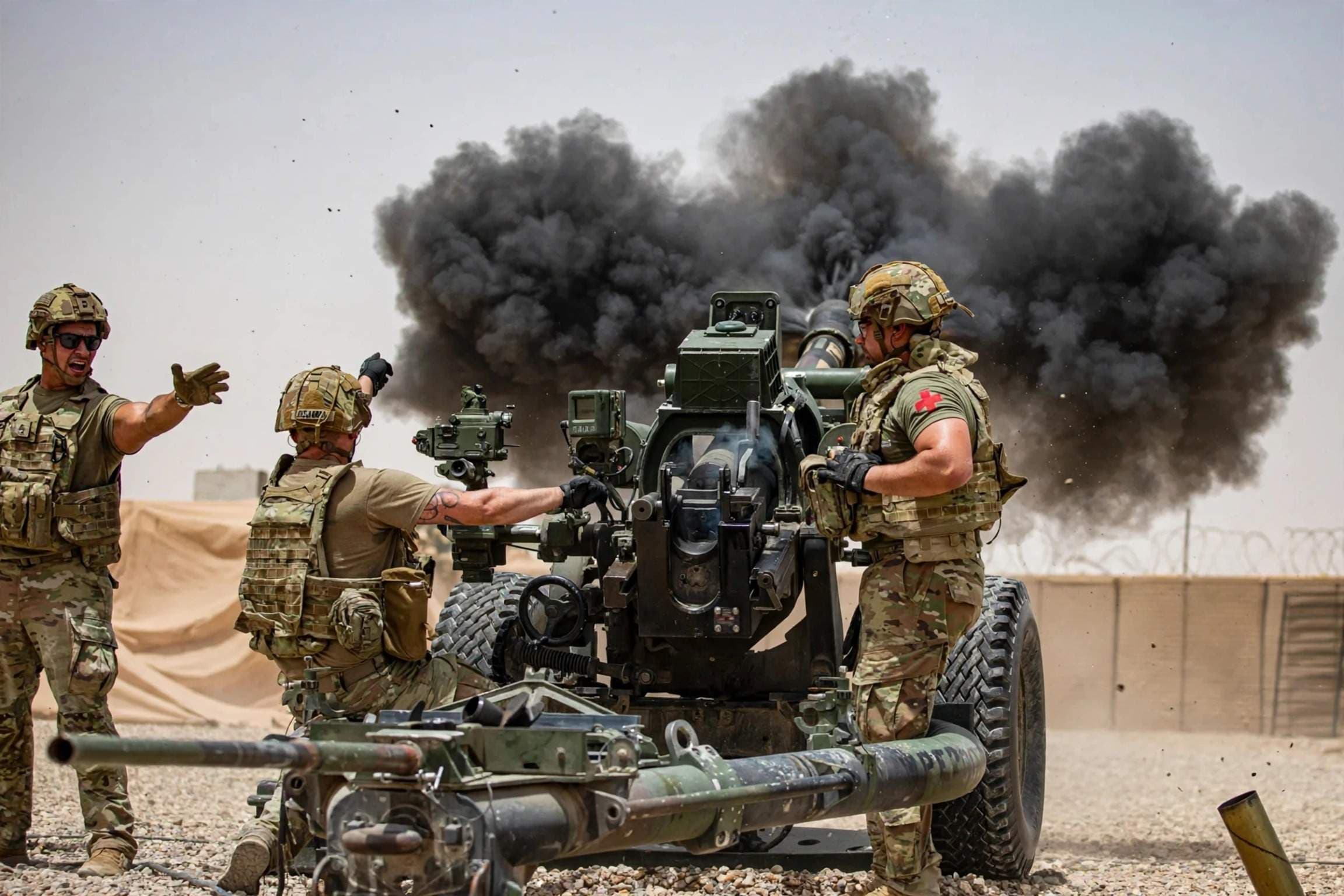
US Central Command, or Centcom, says American and Saudi fighter jets have carried out joint strikes on what they call "Iran-aligned terrorists" in eastern Iraq. Centcom claims the groups were directed by Iran's Islamic Revolutionary Guard Corps - the IRGC - to attack US forces and Saudi energy infrastructure.
They didn't name the militia. But the Popular Mobilisation Forces, the PMF, says at least 10 of its members were killed and called the strikes "a dangerous escalation" and a violation of Iraqi sovereignty.
If you're not familiar, the PMF is an umbrella organisation made up of several pro-Iranian militias. Tehran has used that network for years to push its interests across the region. They've attacked US personnel in Iraq before, trying to push the last US troops out, and the US has regularly hit back.
This latest round comes after a pretty hectic 72 hours. Centcom says there were over 30 IRGC-directed drone attacks in that window alone. On Tuesday, Saudi Arabia said it had intercepted and destroyed drones targeting petroleum facilities in its eastern region, with defence ministry spokesman Maj Gen Turki al-Maliki alleging they were launched by Iran-affiliated groups in Iraq.
Around the same time, Centcom says Iran launched "multiple" ballistic missiles in an "attempted surprise attack" on American forces at 17:45 EDT on Tuesday. The US says they were all intercepted. Iran, for its part, says it targeted a US base in Jordan. Its IRGC also claimed, via Tasnim News Agency, that it hit three oil tankers in the Strait of Hormuz.
Centcom's response was blunt: "The IRGC and its terrorist proxies must cease these attacks to avoid further U.S. military response."
And the timing is... interesting. This all coincides with Israeli Prime Minister Benjamin Netanyahu's visit to Washington, where he met President Trump at the White House and attended the funeral of US Senator Lindsey Graham.
The pause in fighting had followed 13 straight nights of US bombing, which Washington said destroyed tunnels and bridges in southern Iran. Scores of people were reported to have died.
Now oil markets are jittery again. Access to the Strait of Hormuz remains the big sticking point in any talks - talks which Tehran denies are even happening. On Wednesday morning in Asia, Brent crude jumped 4.3% to $87.70 (£65.98) a barrel, with US-traded oil up 4.2% to $82.62, on fears energy shipments could be disrupted further.
The human cost is still climbing too. The Pentagon says at least 624 US service members have been wounded since Trump ordered strikes against Iran in February, with 417 of those linked to Operation Epic Fury, the joint US-Israeli operation.
Source: cbinews.tv / US Central Command / PMF statements
#SaudiArabia #UnitedStates #Iran #Iraq #MiddleEast #IRGC #PMF #StraitOfHormuz #Geopolitics #WorldNews #BreakingNews #USPolitics #DonaldTrump #BenjaminNetanyahu #CBINews