


Iranian Airlines Grounded? How the US ban Will Work
Last update: September 22, 2026
Disclaimer: This website may contain affiliate links, which means we may earn a commission if you click on the link and make a purchase. We only recommend products or services that we personally use and believe will add value to our readers. Your support is appreciated!
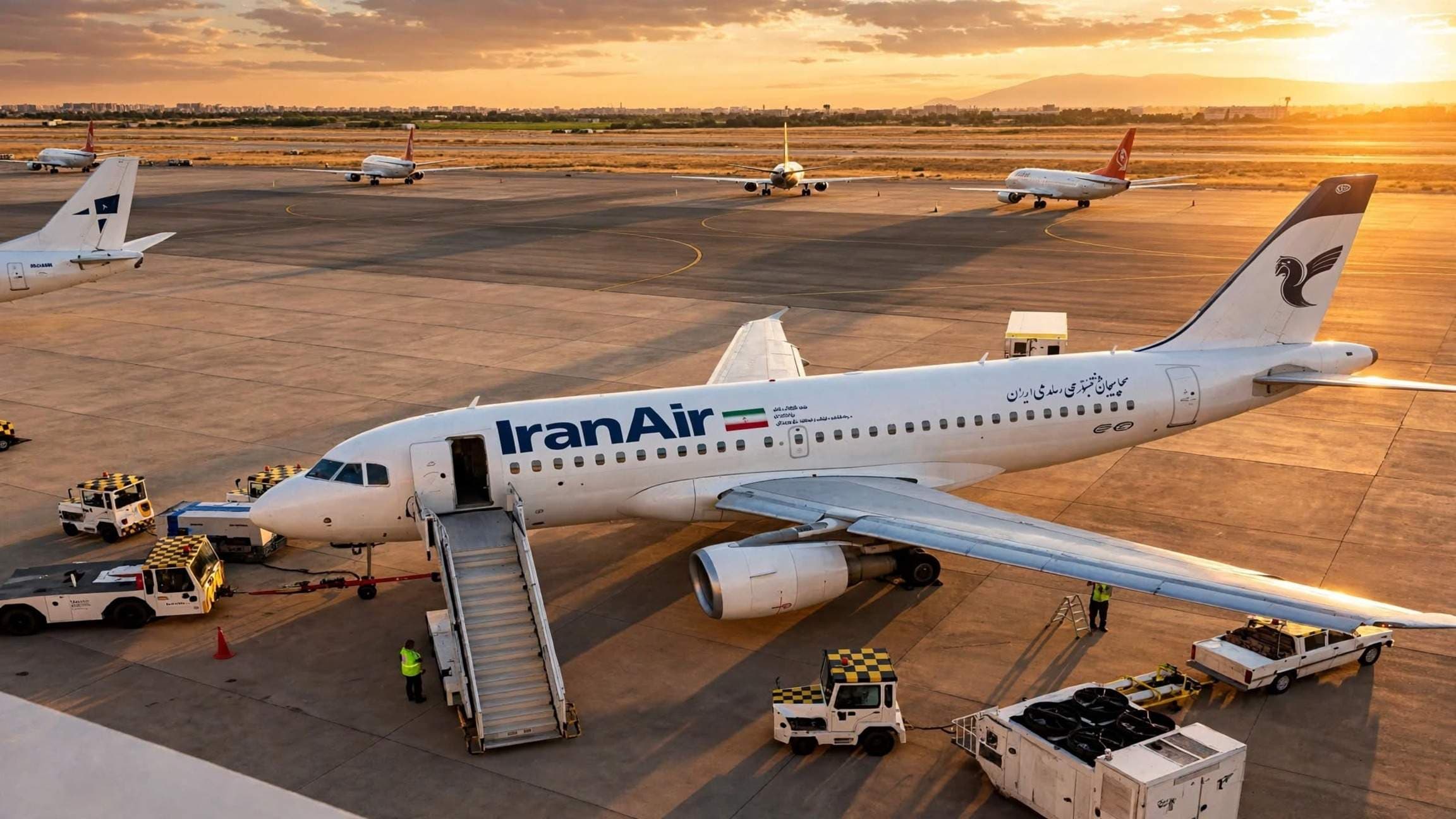
Imagine being told your national airline simply... stops existing outside your own borders tomorrow. No fuel, no landing slot, no one allowed to even sell you a ticket without being booted out of the dollar system. That’s exactly what Washington is threatening.
So, can the US actually do it? And what happens to the grandmother in Tehran trying to visit family in Istanbul, or the student stuck trying to get home from Dubai?
The Big Statement:
US Treasury Secretary Scott Bessent dropped a bombshell on CNBC on Monday: “On September 21, all the Iranian airlines will be shut down around the world.”
His warning was blunt. It’s not just about the planes. “If they land, you cannot provide them with fuel, you cannot provide them with landing services, you cannot sell them tickets, or you will be knocked out of the dollar system,” he said.
This isn’t a new sanction. It’s a secondary sanction super-charge. It’s part of President Donald Trump’s so-called “Operation Economic Outcast” to squeeze Tehran’s already battered economy, now nearly seven months into a US-Israel war that began in late February.
This didn’t start last week. Iran’s aviation story is a 45-year lesson in sanctions.
After the 1979 Revolution and the US hostage crisis, Iran has been under rolling US sanctions. That means it can’t legally buy new Boeing or Airbus aircraft or even genuine spare parts. The result? One of the oldest fleets on the planet, with an average age of over 20 years, kept flying by cannibalising parts and dodgy middlemen.
Iran Air, once a glamorous symbol of the 1970s — it even ordered Concorde — used to fly to London, Paris, Frankfurt and Tokyo daily. Now, according to current route data, it’s down to just three international routes: Najaf and Baghdad in Iraq, and Istanbul.
And the numbers are stark. Iran’s Civil Aviation Organisation said 46.2 million passengers flew in and out of Iran in 2025, with 11.2 million on international routes. Nearly 7.2 million of those relied on Iranian carriers.
That capacity is already collapsing. Aviation data firm Cirium notes that for September, just under 70,000 weekly seats on departing international flights were scheduled. Compared to last year, international capacity in August was down 49%, driven by the total absence of big foreign players like Flydubai and Turkish Airlines, which last year operated a combined 20,000 weekly departing seats.
Add war damage. Iran Air’s CEO, Taher Abdolhai, told Iranian outlet SehatKhabar that the pressure was spreading “like metastasising cancer” and that at least 30 aircraft had been damaged in US strikes during the war.
Forget geopolitics for a second. Think about the people.
For millions of Iranians in the diaspora, Mahan Air and Iran Air aren’t just airlines — they’re the family bus. They are how you get home for Nowruz, how you take your elderly mum for treatment in Turkey, how you fly to Najaf for pilgrimage.
If this grounding holds, a ticket from Tehran to Dubai could become a two-stop odyssey through unfriendly borders, or simply unaffordable. Foreign carriers have mostly stayed away from Tehran since the fighting started in February, so there’s no Plan B. It’s isolation in real time.
Early signs are already there — two Iraqi sources said on Monday that Baghdad would suspend flights by Iranian airlines following the US announcement.
So, Why Does This Matter to You?
Even if you’ll never fly to Tehran, this matters for three reasons:
1. It’s a new blueprint. This is economic warfare using aviation as the weapon. If it works on Iran, it can be copy-pasted elsewhere.
2. It hits regional travel. Airports like Istanbul and Dubai thrive as hubs connecting East and West. Losing Iranian transit passengers hurts them too.
3. It shows the power of secondary sanctions. The US doesn’t need to control the world’s airspace, just the world’s banks.
Can The US Actually Ground Them?
Short answer: Yes, practically, even if not legally.
The US can’t tell Turkey to close its airspace to an Iranian plane. What it *can* do is say to Turkish ground handler Havas, or to Dubai’s jet fuel supplier, “If you touch this plane, you can’t do business in dollars.”
No international airport wants to risk being cut off from the SWIFT system and dollar clearing for a handful of Iranian flights. So, they self-comply. The planes might still be allowed to land in theory, but with no fuel to take off again, no ground crew to marshal them, and no travel agent able to issue a ticket, they are effectively grounded.
What Happens Next?
In the next 48 hours: Watch for a domino effect. Iraq has already blinked. Expect Istanbul, UAE and Indian airports to quietly suspend handling services. Mahan Air’s broader network to China, India, Pakistan and Thailand is next in the firing line.
In the next month: Ticket prices for Iranians will skyrocket. Expect a boom in indirect routes via third countries and a grey market for tickets. Humanitarian and pilgrimage travel will be hardest hit.
Long-term: Iran’s fleet will get even older and more dangerous without access to maintenance. The country will become even more aviation-isolated, much like North Korea or, to a lesser extent, Russia after 2022.
One thing is certain — for the 7.2 million people who flew Iranian carriers internationally last year, the sky just got a lot smaller.
Source: cbinews.tv. Additional context from a US Treasury briefing on CNBC.
#IranAirlines #USSanctions #ScottBessent #MahanAir #IranAir #AviationNews #OperationEconomicOutcast #Geopolitics #MiddleEast #TravelNews #CBINewsTV