

Iran to US: No Talks Until Sanctions Lifted and Reparations Paid
Last update: September 15, 2026
Disclaimer: This website may contain affiliate links, which means we may earn a commission if you click on the link and make a purchase. We only recommend products or services that we personally use and believe will add value to our readers. Your support is appreciated!
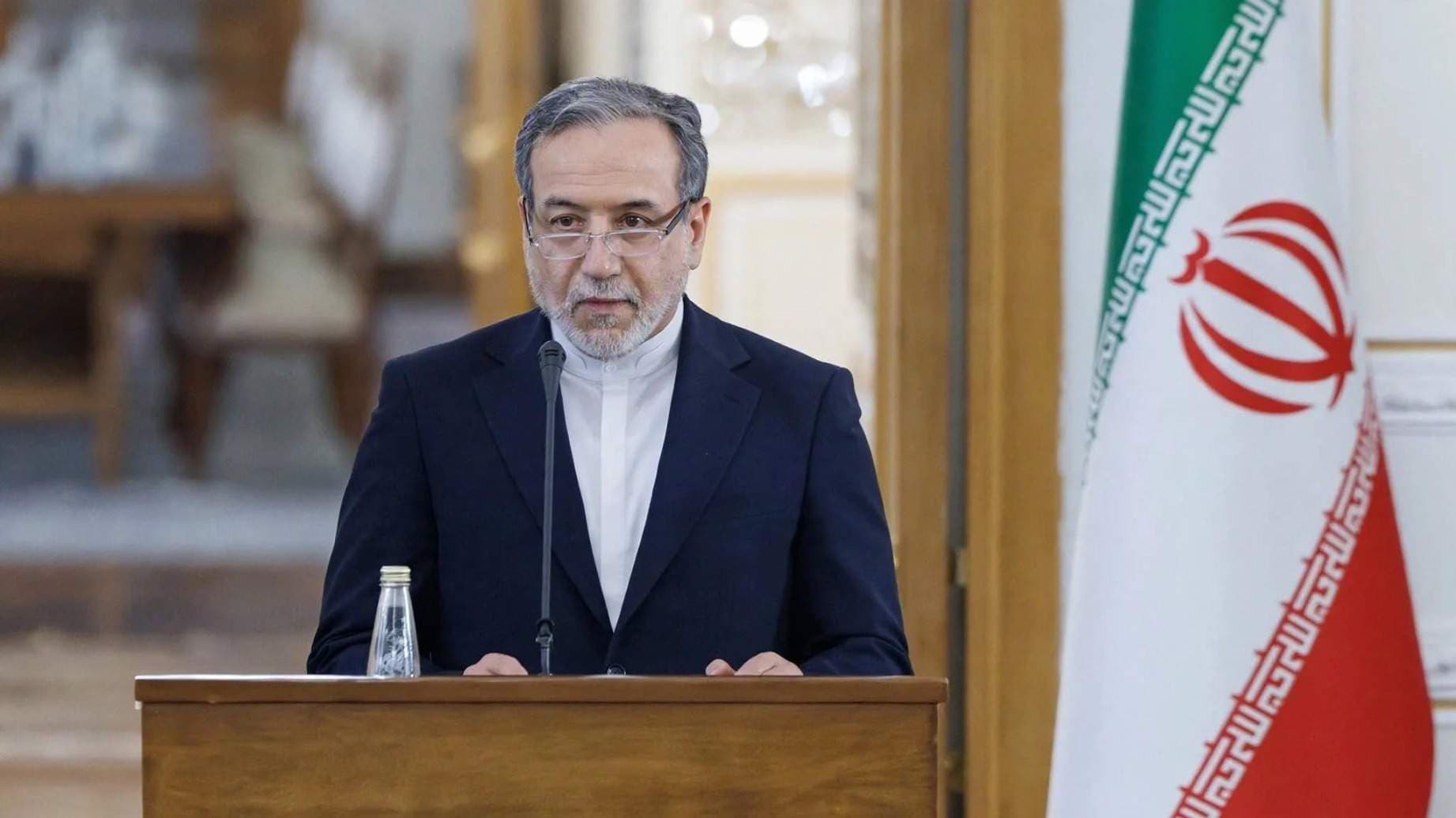
One minute it's "no deal", the next it's "let's talk". If you're getting whiplash from Washington and Tehran, you're not alone. Iran's top security brass has just slammed the door shut on any fresh talks with the US, calling Donald Trump's latest olive branch nothing more than mixed signals and damage control.
“Don’t get distracted by the U.S. president’s mixed signals — from ‘no negotiations’ to ‘we’re ready to talk’,” Rezaei posted. “The stakes around oil and the straits have changed. Damage control won’t stop what’s coming. No talks until Iran’s conditions are met. Period!”
Trump, for his part, posted: “The failing Nation of Iran wants to make a deal, quickly and badly. I will determine whether or not the U.S.A. will choose to engage — The concept of which we are open to.”
It's a stark U-turn. For weeks Trump had said it was too early for a deal. Now he says Iran is desperate for one. Tehran says that's fantasy.
This isn't happening in a vacuum. Let's add some context, as reported by cbinews.tv:
1. A 46-year feud: Since the 1979 Islamic Revolution and the US Embassy hostage crisis, direct US-Iran talks have been rare, fraught, and often conducted through intermediaries like Oman or Qatar.
2. The nuclear deal rollercoaster: In 2015, Iran signed the JCPOA with world powers, limiting uranium enrichment in exchange for sanctions relief. Trump pulled the US out in 2018, re-imposing crushing sanctions. President Biden tried to revive it. Trump, now back in the White House, has taken a more hawkish, transactional approach.
3. The Strait of Hormuz factor: This is the big one. About 20% of the world's oil – roughly 20 million barrels per day – passes through this narrow waterway between Iran and Oman. When Iran threatens a blockade, as it is doing now, Brent crude spikes, shipping insurance soars, and everyone from Lagos to London feels it at the pump. Iran has used this leverage before in 2011-12 and 2019, but analysts say this current blockade threat is the most sustained in years.
4. The sanctions pain: Iran's economy is under some of the toughest sanctions on earth. The IMF estimates its inflation is still above 40%, and its rial has lost over 90% of its value since 2018. That's why Tehran's preconditions matter – they are asking for war reparations and a full lifting of sanctions, not just a photo-op.
Behind the chest-thumping on X and Truth Social are real people.
In Tehran, families are queuing for subsidised cooking oil as prices double. In the Gulf, Filipino and Indian seafarers – the backbone of global shipping – are refusing to sail through Hormuz without hazard pay. And in Europe and Africa, including here in Nigeria, marketers are already pricing in higher diesel costs if the strait stays disrupted.
This isn't just geopolitics. It's about whether a small business owner in Aba can afford to run his generator next month.
Why It Matters?
Why is Iran saying no now? Tehran feels it has leverage. By controlling or threatening the Strait of Hormuz, it flips the script: it's not just the sanctioned party begging for relief; it's the party that can choke global energy supply.
Why is Trump saying yes now? Two reasons. First, oil. A full-blown war in the Gulf with $120+ oil is terrible politics in an election cycle. Second, strategy. Trump has long preferred a "big deal" over incremental diplomacy – think maximum pressure, then a grand bargain.
What's the deadlock? Trust, or the lack of it. As Iranian Foreign Minister Abbas Araghchi has said in similar past stand-offs, “There is no good experience talking with Americans.” Iran remembers negotiating while being bombed. The US remembers Iran enriching uranium while talking.
According to sources tracked by cbinews.tv, here are three scenarios to watch:
1. No talks, more shadow war: The blockade on Hormuz continues, with tit-for-tat seizures of tankers, cyber-attacks, and drone strikes. Oil stays volatile at $85-$95.
2. Back-channel talks via Oman: The most likely face-saving route. Publicly, "no talks". Privately, Omani mediators shuttle messages about prisoner swaps and a limited oil-flow guarantee.
3. Conditions met, sort of: Washington offers partial sanctions relief on humanitarian goods or unfreezes some oil revenue held abroad, and Tehran temporarily eases Hormuz restrictions. Not peace, but a de-escalation.
For now, the official line from Tehran is clear: Period. No talks.
We'll keep tracking the oil markets, the strait, and the rhetoric. Stay with cbinews.tv for updates.
#Iran #USPolitics #DonaldTrump #StraitOfHormuz #OilPrices #MiddleEastCrisis #Geopolitics #Sanctions #WorldNews #CBINewsTV #BreakingNews