


Iran Postpones Khamenei's Funeral as War Escalates
Last update: March 5, 2026
Disclaimer: This website may contain affiliate links, which means we may earn a commission if you click on the link and make a purchase. We only recommend products or services that we personally use and believe will add value to our readers. Your support is appreciated!
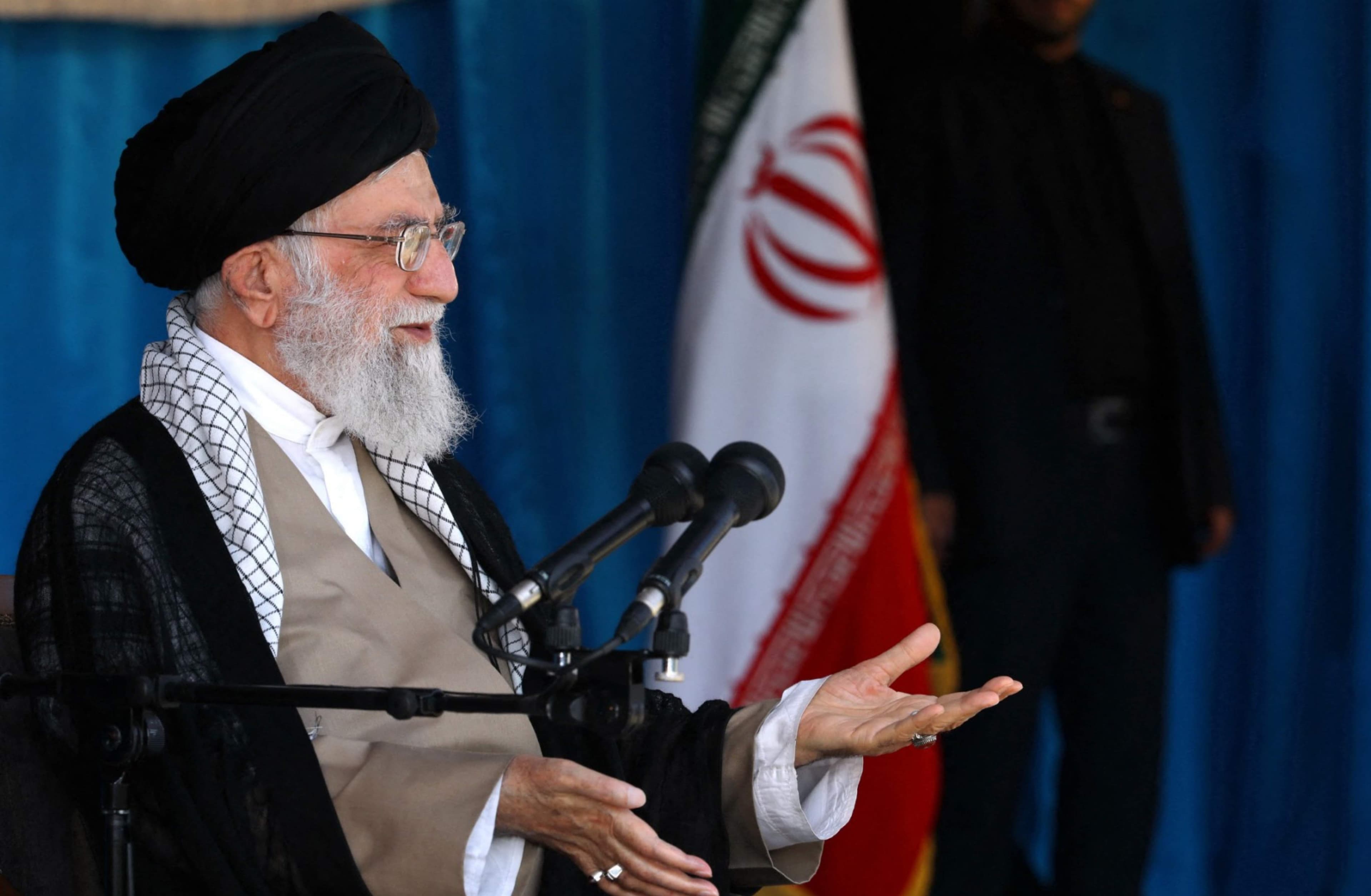
Khamenei became supreme leader in 1989 after the death of the Islamic Republic’s founder, Ruhollah Khomeini....
Authorities in Iran have postponed the funeral ceremony for the late Supreme Leader, Ali Khamenei, as intense strikes by the United States and Israel continue across the country.
An official said the decision followed a surge in requests from mourners wishing to attend the three-day ceremony planned for the capital, Tehran.
He stated that additional infrastructure and security arrangements were needed for the event.
The funeral had been scheduled to begin on Wednesday night.
A member of the Assembly of Experts said the clerical body was “close” to selecting a successor to Khamenei, who was killed in a strike at the start of the US-Israeli assault on Saturday.
Iran has since retaliated by launching missiles and drones toward Israel and Gulf states hosting US military bases, further raising tensions in the region.
Khamenei, Iran’s spiritual leader and highest political authority, was killed at his compound in Tehran during the first wave of the joint strikes. State media reported that his wife, one of their adult sons and several senior officials were also killed.
The three-day ceremony for the 86-year-old cleric had been due to begin at 22:00 local time on Wednesday, with mourners invited to pay their respects as he lay in state at the capital’s Grand Mosalla prayer complex.
However, the head of the Islamic Propaganda Co-ordination Council of Tehran province, Seyyed Mohsen Mahmoudi, told the hardline Tasnim News Agency that the ceremony had been postponed until “a more appropriate time.”
Mahmoudi said the delay was due to “the high volume of requests to attend this ceremony and the need to provide appropriate facilities to host the people.”
Following Khamenei's killing, state media showed supporters of the Islamic Republic protesting in Tehran against the US and Israeli attacks. Social media footage also showed some opponents celebrating in parts of the capital and other cities.
Khamenei became supreme leader in 1989 after the death of the Islamic Republic’s founder, Ruhollah Khomeini. During his decades in power, he maintained firm control over Iran’s political system and armed forces while suppressing dissent, sometimes violently.
In other news, US Secretary of Defence Pete Hegseth said a US submarine sank an Iranian navy frigate in the Indian Ocean off the coast of Sri Lanka.
“The warship thought it was safe in international waters. Instead, it was sunk by a torpedo. Quiet death,” Hegseth told reporters.
Sri Lanka’s Defence Secretary Sampath Thuyyakontha said the bodies of 80 people on board the Iranian vessel Iris Dena had been recovered. Thirty-two others were rescued, while dozens remain missing.
Hegseth said US and Israeli forces would soon gain total aerial superiority over Iran.
“This was never meant to be a fair fight, and it is not a fair fight. We are punching them while they’re down,” he said.
The secretary of Iran’s Supreme National Security Council, Ali Larijani, accused US President Donald Trump of “dragging the American people into an unjust war.”