


Iran Offers to end Hormuz Blockade Within 7 Days
Last update: September 26, 2026
Disclaimer: This website may contain affiliate links, which means we may earn a commission if you click on the link and make a purchase. We only recommend products or services that we personally use and believe will add value to our readers. Your support is appreciated!
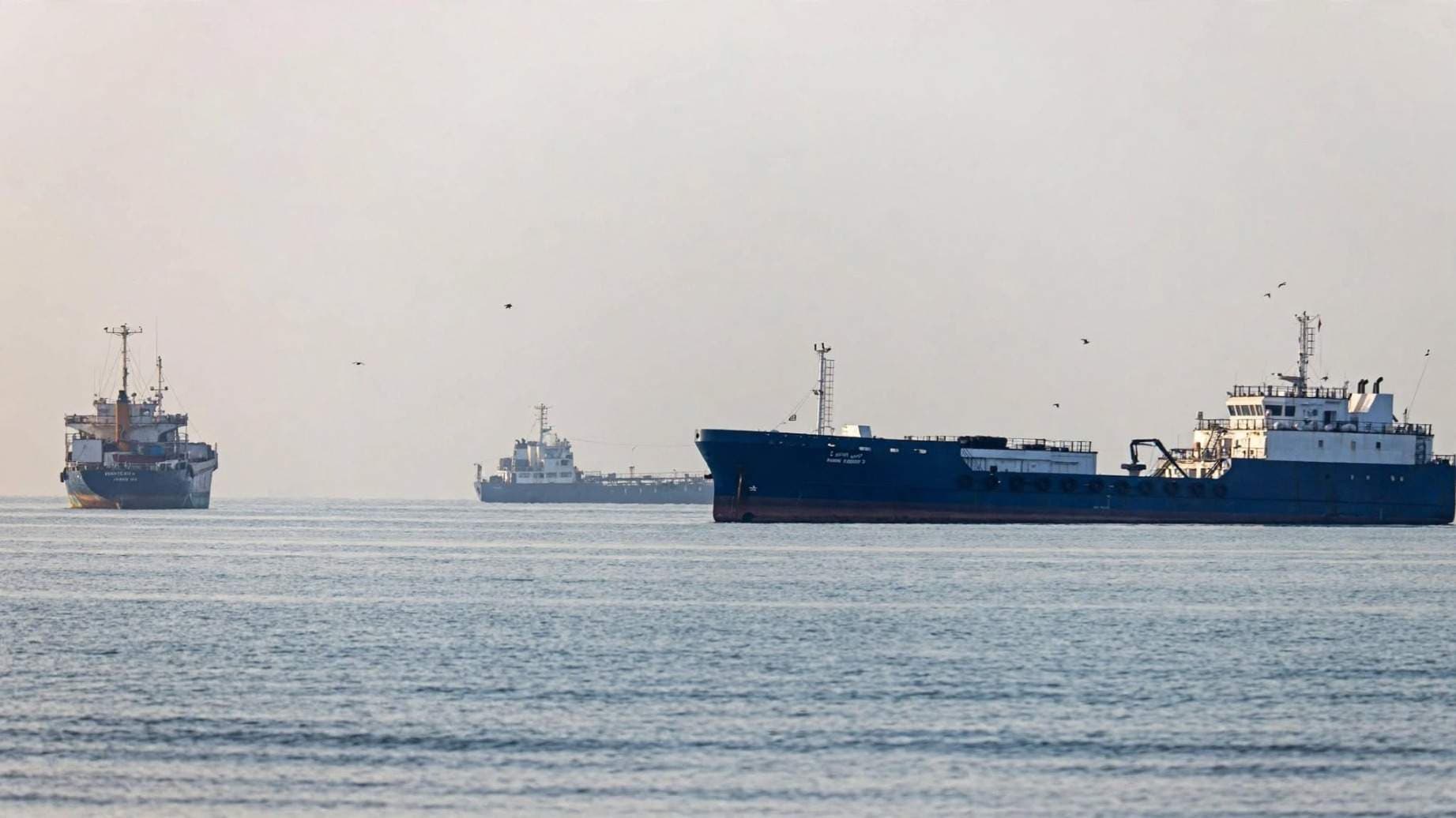
Imagine a single stretch of water, just 33 kilometres wide at its narrowest point, holding the world’s energy bills, your petrol prices, and global shipping to ransom. That’s the Strait of Hormuz. And now, Iran says it could reopen it within a week — if Washington blinks first.
As reported by cbinews.tv, Tehran has put a dramatic proposal on the table in New York that could end the current war at sea.
It’s a big ask, and it explains why there’s confusion back in Tehran. The plan, as outlined by Araghchi, calls for:
1. A complete cessation of all hostilities across the Middle East for seven days — including Lebanon and, according to the Revolutionary Guards, Yemen.
2. The release of at least $12 billion in frozen Iranian assets held abroad.
3. Lifting sanctions on Iranian oil exports.
4. An end to the US naval blockade of Iran.
Only then, on day seven, would Iran lift its authorisation system and reopen Hormuz. Araghchi says China backs the plan — significant, given President Xi Jinping is in the US this week for talks with President Trump. He says he’s now waiting for a US response.
In a twist, Iranian state media has denied the Kyodo report, and Tehran has yet to issue an official clarification. That suggests a familiar split between Iran’s diplomats at the UN and hardliners at home.
This isn’t the first time Hormuz has been weaponised. If you’re wondering why 33 kilometres of water matters so much, here’s the data: the strait carries roughly 20% of the world’s oil and a third of its liquefied natural gas. Around 17-20 million barrels a day squeeze through it.
We’ve been here before. During the 1980s Tanker War, Iran and Iraq attacked hundreds of commercial vessels. In 2019, Iran seized the British-flagged Stena Impero. What’s different now is the formal system Tehran introduced this year — requiring ships to obtain authorisation before passage for “security and sovereignty” reasons — and the direct US-Iran military exchange, with Iran targeting non-compliant ships and the US sporadically bombing coastal sites.
Back in June, the US and Iran actually signed a memorandum of understanding to end the fighting, reopen the strait and restart nuclear talks. It collapsed within weeks when Iran fired on commercial ships it claimed had strayed from approved routes.
Why You Should Care?
It’s easy to talk about $12 billion assets and naval blockades but think about the people caught in the middle.
There are the crews — Filipino, Indian, British seafarers — stuck on tankers waiting for clearance, facing missile strikes for a paperwork dispute. There are the families in Yemen, Lebanon and coastal Iran living under daily air strikes. And there’s you, at the pump in Birmingham or Belfast: when Hormuz sneezes, global oil prices catch a cold. Analysts saw Brent crude spike by nearly 15% when shipping was first disrupted, adding pence to every litre and pushing up inflation just as households were getting some breathing space.
What Is the Strait of Hormuz Authorisation System?
In short, Iran now treats Hormuz like a toll road. Ships must apply for a transit slot and follow a specific lane. If they don’t, Iran’s IRGC says it has the right to intercept or fire warning shots. International maritime law, and the US Navy, says it’s an international strait where transit passage cannot be impeded. That legal clash is why commercial ships are in the crosshairs.
Why It Matters?
This proposal is more than a shipping update. It’s a potential off-ramp from a regional war that has spread from Gaza to Lebanon to Yemen to the Gulf. If the seven-day truce holds, it could reopen the door to nuclear negotiations that have been frozen since June. If it fails — and the mixed messages from Tehran suggest powerful people there want it to fail — we’re looking at prolonged disruption, higher energy costs heading into winter, and a dangerous precedent for global trade chokepoints.
What Next?
All eyes are on Washington. Will the Trump administration accept a seven-day pause that includes Lebanon and Yemen in exchange for oil flowing again? Will it release frozen funds without a nuclear guarantee? And will Beijing publicly endorse the deal during Xi’s visit?
For now, as cbinews.tv understands it, the ball is firmly in the US court. We’re watching for a response from the White House and for Tehran to clarify its own position — because until Iran’s foreign ministry and its state media are singing from the same hymn sheet, this seven-day promise remains just that: a promise.
We’ll bring you updates as this story develops on cbinews.tv.
#StraitOfHormuz #IranUS #MiddleEast #Geopolitics #OilPrices #UNGA #BreakingNews #CBIExplainer #GlobalShipping #HormuzCrisis #CBINews