

Iran Fuel Shock: Petrol Price Doubled for Heavy Users
Last update: September 8, 2026
Disclaimer: This website may contain affiliate links, which means we may earn a commission if you click on the link and make a purchase. We only recommend products or services that we personally use and believe will add value to our readers. Your support is appreciated!
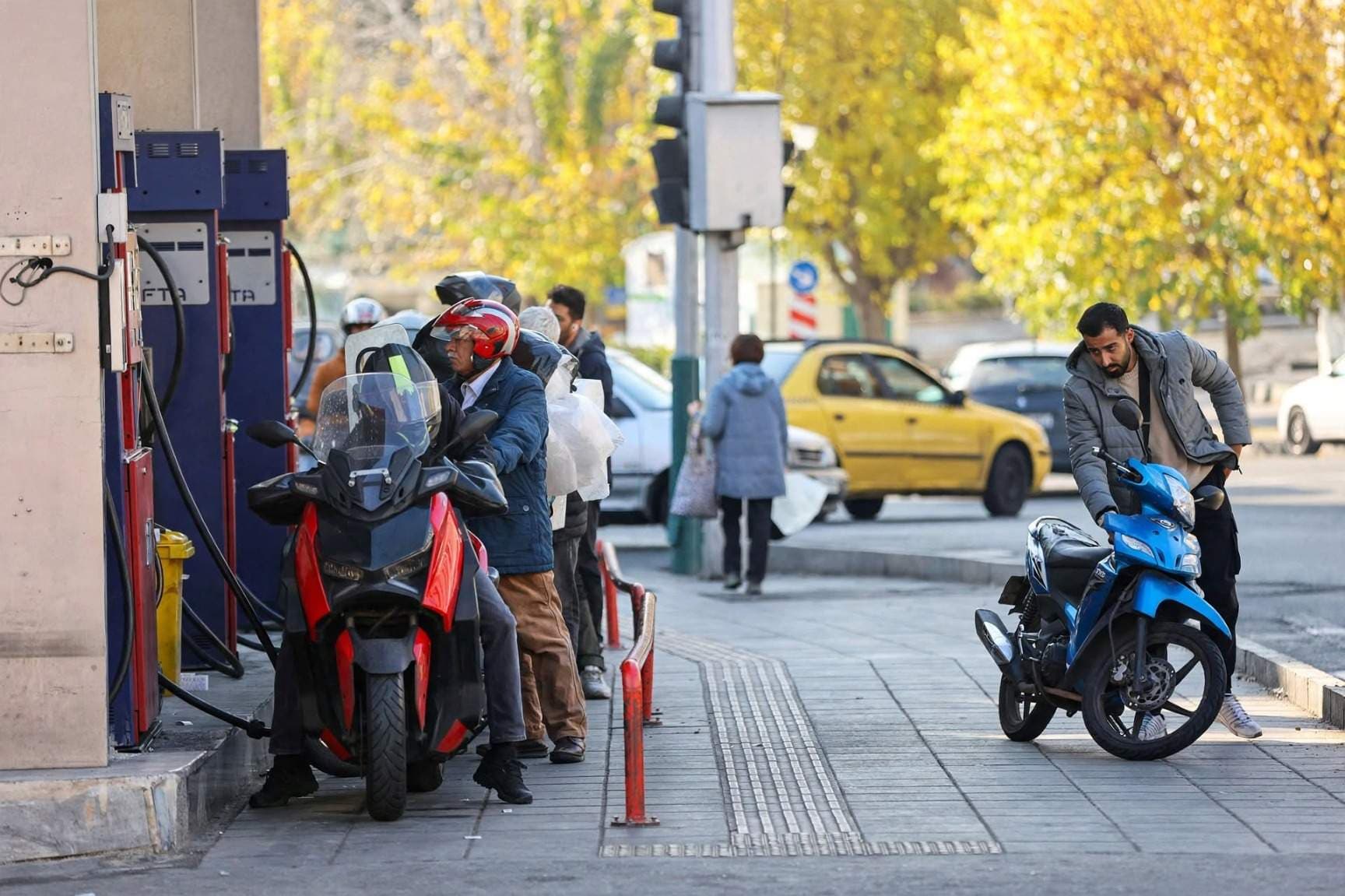
In a country where cheap petrol has long been seen as a birthright, filling up just got more expensive — again. And for many Iranians already battling a collapsing currency and rocketing prices, it’s another painful pinch.
As reported by cbinews.tv, Iran early on Tuesday rolled out a new, higher petrol price for its heaviest users — the second increase since December — as the government scrambles to curb consumption and raise cash while the economy buckles under months of conflict.
And let’s be honest, in Iran, this stuff is never just about pump prices.
Under the new system, anyone buying more than their monthly quota of 110 litres will now have to pay 100,000 rials per litre — that’s about 7 US cents. It doesn’t sound like much to British ears, but it’s double what drivers have been paying since the last hike in December, and it hits around 15% of motorists, according to Keramat Veis Karami, CEO of the state oil distribution company, speaking to the official IRNA news agency.
The government didn’t directly mention the recent war with Israel and the United States, instead citing the “current situation” for the move. It says the extra revenue will be redistributed to households.
Why now? The numbers behind the squeeze
On paper, Iran is an oil superpower. In reality, it’s struggling to refine enough of it.
Consumption hit a record high of 145 million litres per day in August, while domestic refining capacity sits at just 122 million litres per day, meaning Tehran still has to import petrol despite sitting on some of the world’s largest crude reserves. Experts point to an ageing fleet of gas-guzzling cars and a threadbare public transport network for the surge.
That gap is becoming unaffordable. Iran still has some of the cheapest petrol on the planet — even after this hike — but the wider economic picture is brutal.
According to the country’s own statistics centre, annual inflation is running at about 67%. The rial is in freefall, trading at 2.22 million to the US dollar on Monday — a record low that has gutted purchasing power for Iran’s 90+ million people. Decades of sanctions, mismanagement, and most recently a 12-day war in June that saw direct strikes between Iran, Israel and the US, have pushed the economy to breaking point.
In that context, raising fuel prices is a classic, if risky, lever to dampen demand.
A history of fuel fury
If there’s one thing every Iranian government knows, it’s that touching petrol prices can set the streets on fire.
Cheap fuel has been viewed as a birthright for generations. Back in 1964, a price hike was enough to force the Shah to deploy military vehicles to replace striking taxi drivers.
More recently, the memory of November 2019 is still raw. A sudden overnight petrol price rise of up to 200% triggered nationwide protests in more than 100 cities. The subsequent crackdown was one of the deadliest in the Islamic Republic’s history, with Reuters and Amnesty reporting over 300 deaths.
That’s why this latest move is so carefully targeted — aimed only at those exceeding the quota, rather than a blanket increase. But economists warn it will still feed inflation, as higher transport costs inevitably trickle down to food, goods and services.
For now, it’s a balancing act: keep the pumps running, plug the budget gap, and avoid lighting another fuse.
Source: cbinews.tv
#Iran #IranPetrolPrice #PetrolPriceHike #Tehran #IranEconomy #Inflation #MiddleEastNews #OilAndGas #CostOfLiving #CBINews