

Iran Finds Huge Sweet Gas Reserve in Fars Province
Last update: August 24, 2026
Disclaimer: This website may contain affiliate links, which means we may earn a commission if you click on the link and make a purchase. We only recommend products or services that we personally use and believe will add value to our readers. Your support is appreciated!
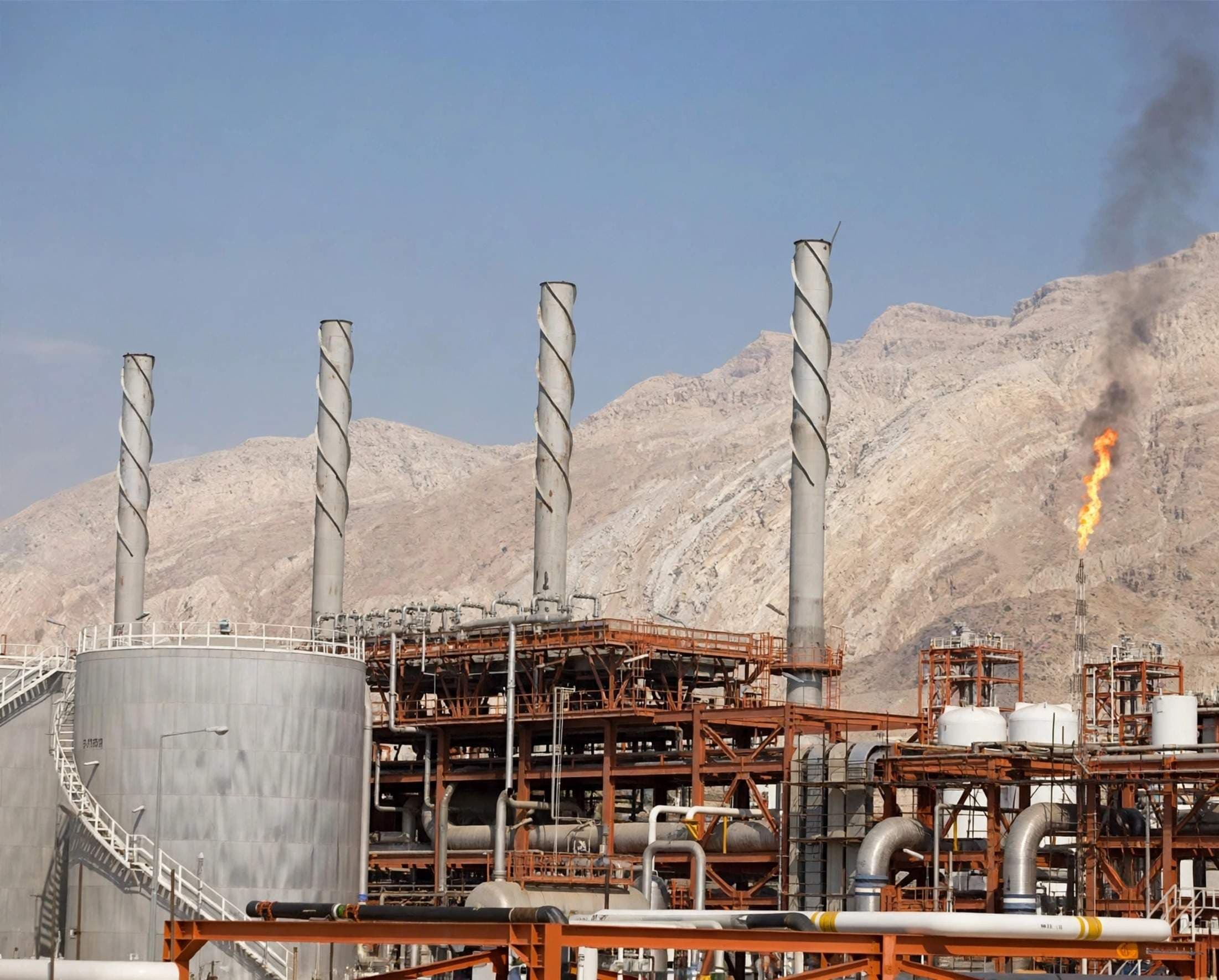
Think Iran is running on empty? Think again. Tehran has just announced a whopping gas find in the south that could keep one of the world's biggest gas fields going for 15 years.
In a pretty timely boost for Tehran, Iran says it's struck it lucky in the south.
Oil Minister Mohsen Paknejad announced on Sunday that explorers have found more than 7.5 trillion cubic feet of natural gas in southern Fars province. Of that, around 5.7 trillion cubic feet is thought to be recoverable - that's based on a recovery rate of more than 72%.
And here's the clever bit: it's what the industry calls "sweet gas". In plain English, that means it has very low levels of hydrogen sulphide and other nasty sulphur compounds. As Paknejad put it himself: "Because the gas is sweet, it helps bring down both development costs and the costs of production and operation." Less scrubbing, less kit, less money.
To put that in perspective, the minister said the recoverable volume alone could supply one phase of Iran's giant South Pars field for about 15 years.
Some much-needed background:
This isn't Fars province's first rodeo. The region is fast becoming Iran's onshore treasure chest. Back in 2019, the Eram field was announced there with a massive 19 trillion cubic feet in place, and there have been rolling announcements since. The latest field - local reports are calling it the Pazan/Pazen field - sits on the border between southern Fars and northern Bushehr, about 21km from the city of Jam.
Why does it matter? Because Iran is already sitting on the world's second-largest proven gas reserves after Russia - roughly 34 trillion cubic metres, or around 1,800 trillion cubic feet in the joint South Pars / North Dome reservoir it shares with Qatar. South Pars alone accounts for about 70% of Iran's current gas production and Iran uses gas for about 86% of its domestic energy.
But there's a catch, and it's a historic one. Despite all that gas, sanctions, under-investment and the pull-out of majors like Total in 2018 have meant Iran has struggled to turn reserves into export cash. It remains a giant that mostly consumes what it produces.
No name has been given for the new field yet, and no commercial production timeline has been released. That’s normal - you need appraisal wells, pipelines and processing plants before a single cubic foot reaches a home.
The timing is telling, though. The announcement came as Iranian officials accused the US of operating what they describe as a naval blockade that has blocked oil exports, with US sanctions continuing to squeeze its energy sector hard.
So, will this change the game overnight? Not quite. As we know from South Pars - discovered in 1990 by the National Iranian Oil Company and still being developed phase-by-phase 35 years later - turning in-place gas into flowing gas takes years and billions.
But long-term? A 7.5 TCF sweet gas find in a province that keeps on giving is a significant addition to the national wealth chest, and a reminder that Iran's subsurface story is far from over.
Source: cbinews.tv.
#Iran #NaturalGas #FarsProvince #SouthPars #EnergyNews #OilAndGas #Geopolitics #SweetGas #MiddleEastEnergy #Sanctions #CBINews