

Iran Dismisses US Blockade Plan as Doomed to Fail
Last update: August 17, 2026
Disclaimer: This website may contain affiliate links, which means we may earn a commission if you click on the link and make a purchase. We only recommend products or services that we personally use and believe will add value to our readers. Your support is appreciated!
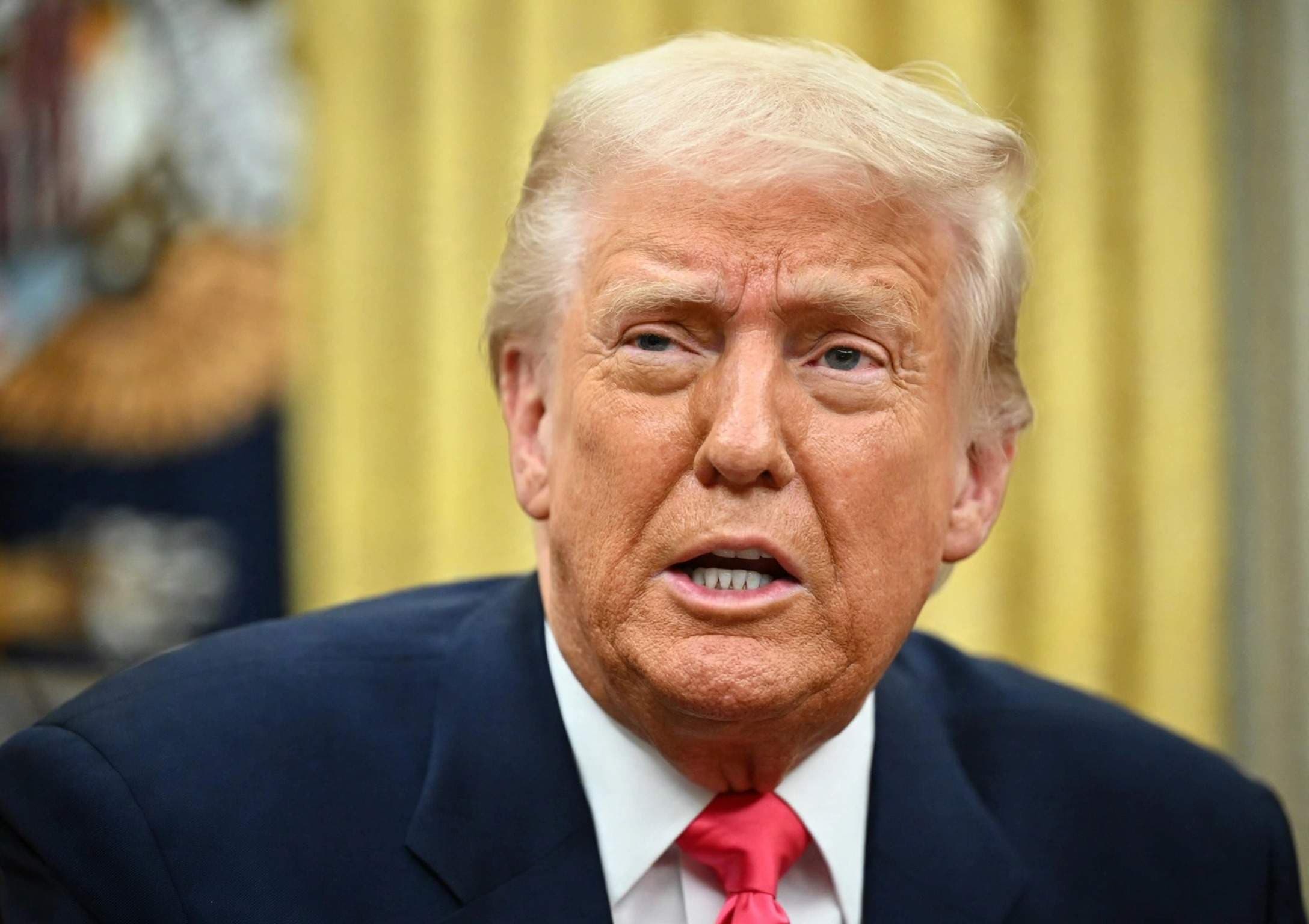
Think sanctions will make Tehran blink? Iran says it’s heard it all before — and it isn’t budging.
Here’s the latest from Tehran, and it’s pretty blunt.
Iran has flat-out rejected fresh US threats, including talk of new sanctions and a reported land blockade, saying they will have zero impact on its position.
Speaking to reporters, Foreign Ministry spokesman Esmaeil Baghaei was characteristically defiant: “These measures have no effect on Iran’s position.”
As reported by cbinews.tv, Baghaei didn’t stop there. He accused Washington of being stuck in what he called a “vicious cycle of war, discrimination, pressure and sanctions” — a cycle he says goes all the way back to the 1953 coup.
And that history bit is crucial for context.
In August 1953, the CIA and MI6 orchestrated the overthrow of Iran’s democratically elected Prime Minister Mohammad Mossadegh after he nationalised Iran’s oil industry. The UK had already frozen Iranian assets and banned trade in what was then described as crippling sanctions. That moment reinstalled the Shah as an autocratic ruler and, for many Iranians, is where the US-Iran grievance story really begins.
Fast forward to the modern era, and sanctions became Washington’s go-to tool.
After the 1979 Revolution and the embassy hostage crisis, the US banned Iranian imports and froze $12 billion in Iranian assets. Then came the terrorism designation in 1984, the nuclear-related sanctions, and more recently two big waves Baghaei specifically called out.
First, the “crippling sanctions” under Democratic administrations, particularly Obama-era oil and banking restrictions, and then the “maximum pressure” campaign after President Donald Trump withdrew from the 2015 nuclear deal in 2018, which slapped more than 1,500 separate economic sanctions on Iran. The stated goal then was to bring Iran’s oil exports to zero.
Baghaei’s argument? None of it worked.
“They cut off medicines for our people and tried every possible means of putting pressure on Iran,” he said, adding that the US ultimately “resorted to an illegal military aggression”.
It’s a reference to a long-standing complaint in Tehran — that even humanitarian goods like medicines were choked off by over-compliance with US sanctions — and to the sharp military escalation we’ve seen in 2025-26 around the Strait of Hormuz.
Which brings us to the blockade talk. In recent months, tensions have centred on a US naval blockade around Iranian ports, which Tehran has slammed as a “grave violation of its sovereignty”. Iranian state media says the blockade remains the central sticking point in any talks, with Tehran calling it collective punishment and accusing the US of “armed piracy” after intercepting Iranian-flagged cargo vessels.
Washington, for its part, says the blockade is biting — driving hundreds of millions in daily losses across key Iranian sectors.
But from Iran’s perspective, it’s déjà vu.
“From now on as well, rest assured that such methods, methods that have been tried before and produced no results, are not going to produce a different outcome,” Baghaei concluded.
In other words: sanction, blockade, repeat. Tehran insists it’s weathered it for 70 years and will weather it again.
Credit: cbinews.tv
#Iran #USSanctions #IranUS #Baghaei #Geopolitics #MiddleEast #StraitOfHormuz #MaximumPressure #USForeignPolicy #cbinews