

Iran Confirms Supreme Leader Khamenei’s Death
Last update: March 1, 2026
Disclaimer: This website may contain affiliate links, which means we may earn a commission if you click on the link and make a purchase. We only recommend products or services that we personally use and believe will add value to our readers. Your support is appreciated!
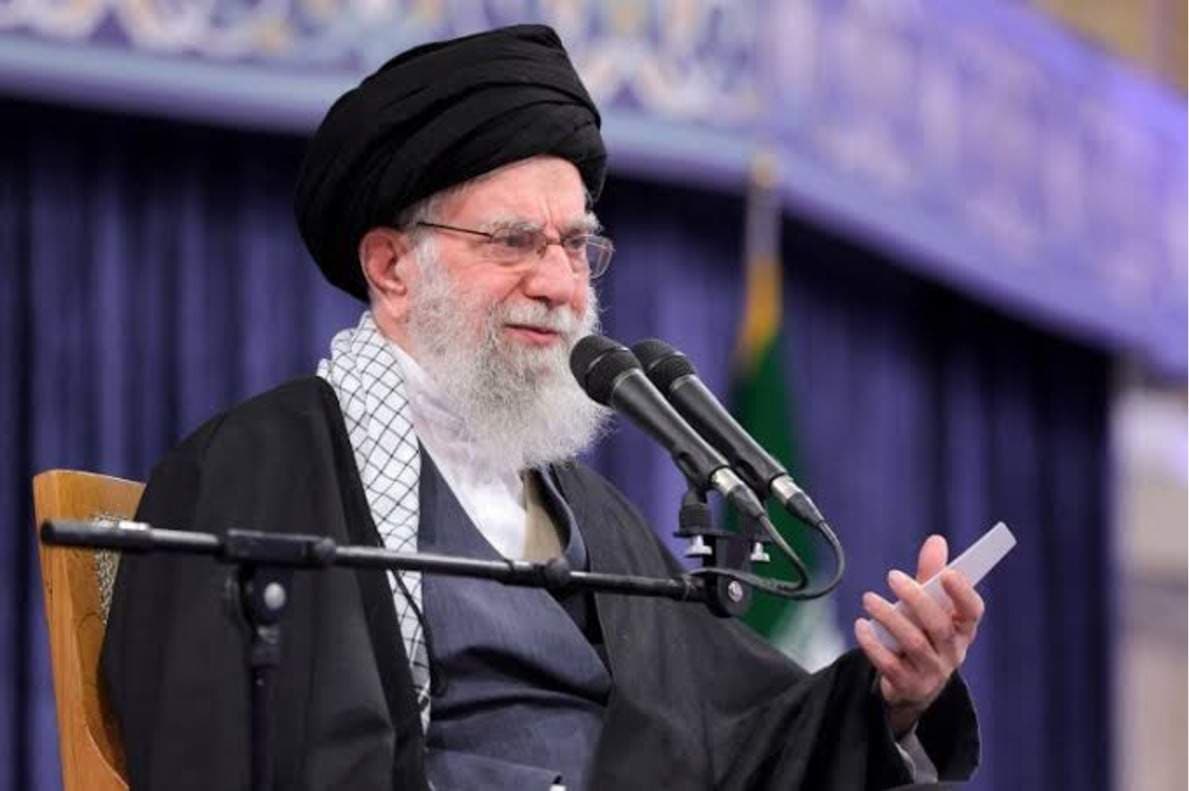
Iranian state media announces Ali Khamenei was killed in coordinated airstrikes on Tehran...
Iranian state media on Sunday confirmed that the country’s Supreme Leader, Ali Khamenei, was killed in joint United States and Israeli airstrikes on Tehran.
A 40-day national mourning period has been declared for the 86-year-old cleric, who had led the Islamic Republic since 1989.
The confirmation followed earlier announcements by US and Israeli officials that Khamenei had died during coordinated strikes that began early Saturday.
Initial reports from Tasnim and Mehr news agencies had maintained that the Supreme Leader remained “steadfast and firm in commanding the field.”
However, state media later acknowledged that he was killed at his office in Tehran.
CBI News reports that United States President, Donald Trump, had earlier disclosed the development on his Truth Social platform.
“He was unable to avoid our Intelligence and Highly Sophisticated Tracking Systems and, working closely with Israel, there was not a thing he, or the other leaders that have been killed along with him, could do,” Trump wrote.
“This is the single greatest chance for the Iranian people to take back their Country. Hopefully, the IRGC [Islamic Revolutionary Guard Corps] and Police will peacefully merge with the Iranian Patriots,” he added.
Israeli Prime Minister, Benjamin Netanyahu, also stated there were “growing signs” that Khamenei had been killed.
Reuters, citing a senior Israeli official, previously reported that Khamenei’s body had been located.
Khamenei’s death is widely expected to reshape the course of the intensifying conflict involving Iran, the United States and Israel.
Although Iranian authorities were said to have prepared contingency measures in the event of his assassination during wartime, analysts warn that his killing introduces fresh uncertainty into an already volatile situation, heightening fears of further escalation.
Khamenei assumed the position of Supreme Leader in 1989 after succeeding Ruhollah Khomeini, who led the 1979 Islamic Revolution that overthrew the Shah.