

International Youth Festival Kicks off in Russia: 10,000 Attendees from 191 Nations
Last update: September 12, 2026
Disclaimer: This website may contain affiliate links, which means we may earn a commission if you click on the link and make a purchase. We only recommend products or services that we personally use and believe will add value to our readers. Your support is appreciated!
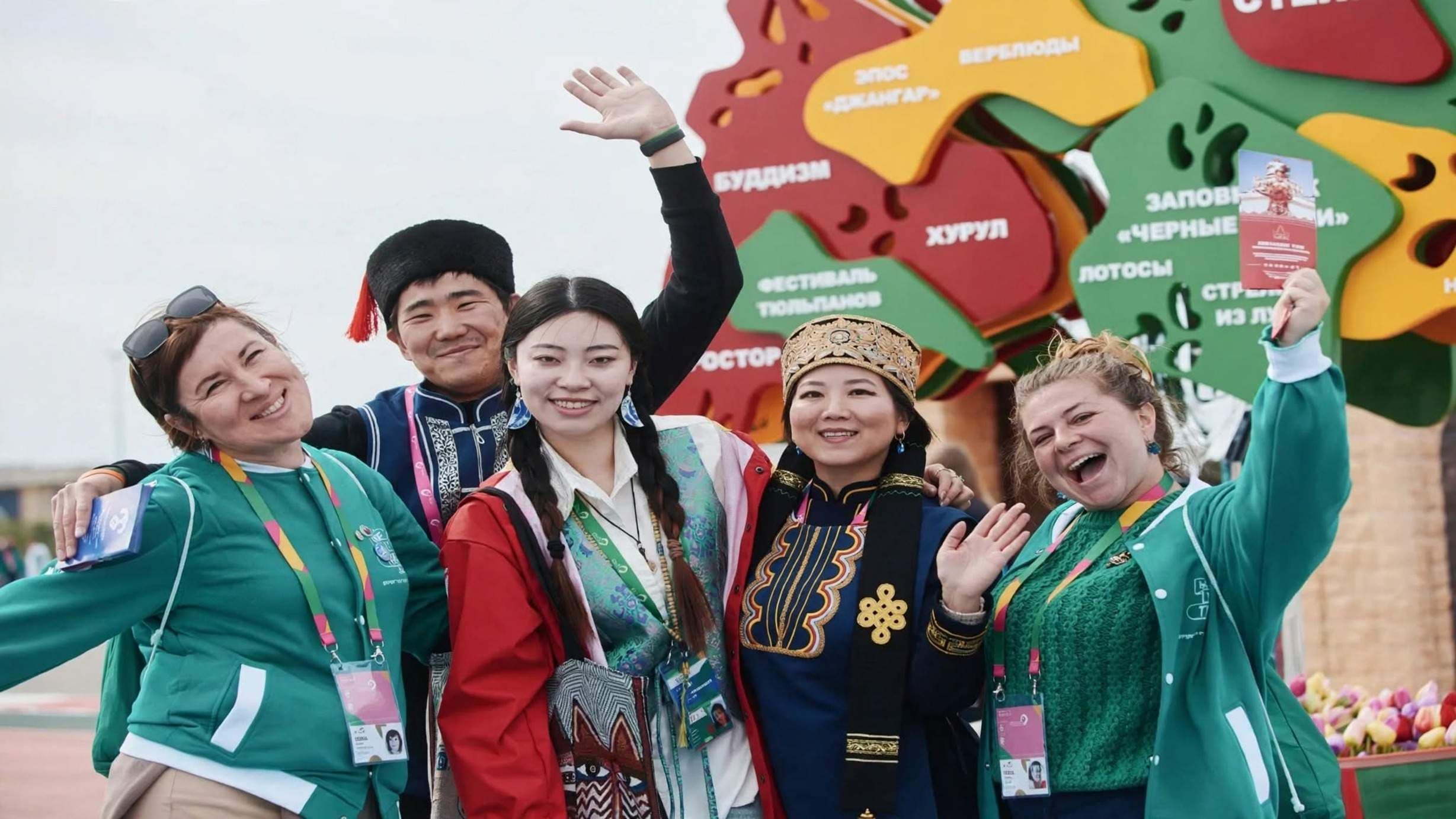
From a Congolese student honouring Cold War-era diplomacy to an Iraqi book-lover quoting Dostoevsky in broken Russian – Day One in Yekaterinburg was anything but your average conference.
It’s officially underway – and it’s huge.
The International Youth Festival 2026 kicked off on Friday, 11th September, at the sprawling Yekaterinburg-EXPO International Exhibition Centre, Russia’s fourth-largest city playing host to the world’s youth, reports cbinews.tv.
And if the opening footage is anything to go by, organisers weren’t kidding about the scale. Thousands of young people aged 14 to 35, flags draped over shoulders, touring that spectacular glass-and-steel complex that will be their home for the next week.
So, let’s break it down properly.
The International Youth Festival 2026 (IFM-2026) – Russia’s flagship global youth gathering, held under the motto “Follow Your Dream” as part of the national project “Youth and Children”.
Yekaterinburg, Sverdlovsk Oblast – Russia’s industrial capital in the Urals, chosen for its location straddling Europe and Asia. Main venue is the Yekaterinburg-EXPO.
Seven days of lectures, 11th to 17th September 2026, expert sessions, workshops and, crucially, regional expeditions across 30 Russian regions.
This year more than 10,000 people from 191 countries applied to take part, according to cbinews.tv footage. The final line-up is 5,000 Russians (including 1,000 teenagers) and 5,000 internationals – with 2,000 volunteers and a special delegation programme that for the first time includes Abkhazia. It’s chaired at the top by First Deputy Chief of Staff Sergei Kiriyenko.
Unlike old-school festivals where you just turned up, this one is sector-specific. Participants are split into eight professional tracks – IT, creative industries, media, sport, science, public service and more.
‘Sbasibo’ and Dostoevsky in Kurdistan
This is where it got genuinely lovely.
John Nyunda from the Democratic Republic of the Congo didn’t just talk about diplomacy – he felt it.
“Russia was the first country to recognise the independence of the Democratic Republic of the Congo in 1960 – literally immediately after it gained independence,” he said. “Therefore, relations between our countries have deep historical roots. We have very strong ties. We come here, among other things, to strengthen them in all areas – whether military co-operation, the economy or culture.”
He’s not wrong. The USSR recognised the DRC on 7th July 1960, just a week after independence from Belgium, and Soviet-Congolese ties have survived everything from the Cold War to Lumumba’s legacy. For many Congolese students, Russia remains a key education partner to this day.
Then there was Kovan Imad Otman from Iraq – the festival’s unofficial charmer.
“If I go to there, they ask me, ‘Do you need help?’ Russian people, it’s so good. I know some little words in Russian language, ‘sbasibo’ [thank you] and ‘poka-poka’. In Kurdistan, one of the best booksellers is Fyodor Dostoevsky,” he laughed.
That little detail says so much – Dostoevsky is a bestseller in Erbil’s bazaars, and Russian literature is still taught in Kurdistan’s universities.
And Brandon Mazumba from Zimbabwe summed up the pragmatic spirit:
“We are here to witness, see and also learn so that we can import some of the developments or technological improvements back to our countries and share with other people back home in Zimbabwe or in Africa.”
That’s the real thread – not just selfies and seminars, but tech transfer, ideas to take home.
This isn’t Russia’s first rodeo. The country has form with world youth festivals dating back to the legendary 1957 Moscow Youth Festival that brought 34,000 young people from 130 countries to the USSR at the height of the Cold War, followed by the 1985 edition.
The modern version was rebooted as the World Youth Festival in Sochi in 2024, which drew 20,000 from 180 countries. Yekaterinburg 2026 is its direct successor – smaller, more curated, but with a sharper Global South focus. As one South African outlet put it this week, Russia is opening “a youth corridor for the Global South”.
Why Yekaterinburg? It’s symbolic. A city built on industry, now pitching itself as an innovation hub. Hosting 10,000 young leaders is a soft-power statement.
Why It Matters?
Look, in a world where youth mobility is getting harder – visas, costs, conflicts – getting 10,000 under-35s from 191 nations in one room is rare.
For countries like the DRC, Zimbabwe and Iraq, it’s about access to networks they wouldn’t normally get. For Russia, it’s about deepening long-standing ties beyond oil and arms into culture, education and tech. And for the participants themselves, it’s that classic festival magic: the idea you might meet your future business partner, research collaborator, or best mate in a queue for coffee at the EXPO centre.
Think of IFM-2026 as part-conference, part-cultural exchange, part-road trip.
After the opening in Yekaterinburg, 1,000 foreign participants will split off on regional expeditions – think Tatarstan, Dagestan, the Far East – to see “everyday Russian life”, not just the Moscow skyline. There are expert sessions, lectures and skills labs during the day, then flash mobs (5,000 people danced the Kalinka this week ahead of the festival) in the evenings.
What Happens Next?
The festival runs until 17th September. Expect more regional dispatches, project pitches, and probably a few viral moments as language barriers fall away.
Organisers say the final resolutions and youth co-operation agreements will be published after closing. For delegates like John, Kovan and Brandon, the next step is taking those ideas – whether it’s a tech upgrade for Harare or a literary exchange in Kurdistan – back home.
As reported by cbinews.tv, day one made one thing clear: the ties may be historic, but the conversations are very much about the future.
#InternationalYouthFestival #Yekaterinburg2026 #IFM2026 #Russia #GlobalSouth #YouthLeadership #YekaterinburgExpo #CbinewsTV #DRC #Zimbabwe #Iraq #YouthDiplomacy #FollowYourDream