

Intact Chimú Tomb Found at Chan Chan — 38 Burials Discovered in Peru
Last update: September 12, 2026
Disclaimer: This website may contain affiliate links, which means we may earn a commission if you click on the link and make a purchase. We only recommend products or services that we personally use and believe will add value to our readers. Your support is appreciated!
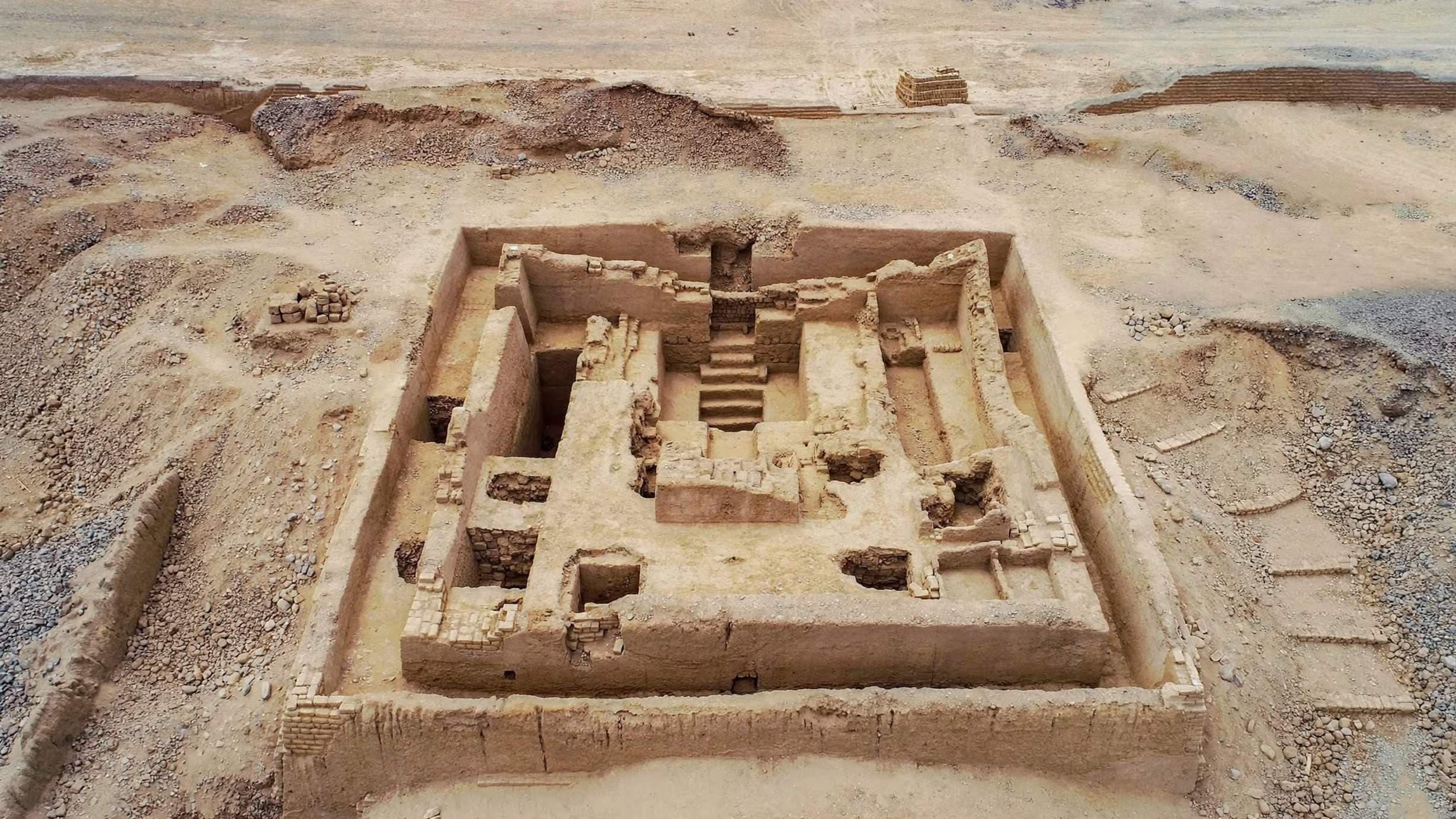
Imagine being buried with your bling for 600 years and no one nicks it. In Peru, archaeologists have just found exactly that.
Archaeologists in Peru have stumbled upon something that almost never happens these days — a completely intact elite burial platform at Chan Chan, and it’s absolutely brimming with secrets.
We’re talking about 38 people, thought to be Chimú nobility, laid to rest nearly 600 years ago with all their finery still exactly where their loved ones left it.
So, What Actually Happened?
Archaeologists from Peru’s Ministry of Culture, led by project archaeologist Jorge Meneses. The dead are believed to be high-status members of the Chimú civilisation.
A funerary platform with three chambers — one central chamber (1.2m wide, 5m deep) with a staircase descending 2.5m, plus two massive side chambers. Inside: 38 individuals in total, plus gold and copper ornaments, ear spools, headdresses, carved wooden boxes with metal appliqués, weapons, ceremonial emblems, and dozens of necklaces made from seashells and quartz.
Inside the Utzh An complex, formerly known as Gran Chimú Palace — the largest walled compound in Chan Chan, on the northern coast near Trujillo. Chan Chan was the capital of the Chimú and is the largest adobe city in the Americas, a UNESCO World Heritage Site spanning 20 square kilometres.
The burials date to around 1400-1470 AD, just before the Inca swallowed up the Chimú Kingdom. The find was announced by the Ministry of Culture on 8 September.
Why it’s weird: One person was found laid fully stretched out at the back of a chamber. That’s not normal for the Chimú, who usually buried their dead in a curled-up, seated or flexed position. Archaeologists are now whispering about two possibilities — was this person sacrificed, or were they so important, or so different, that they got a completely different burial rite?
Through careful conservation work at Utzh An. Because centuries of coastal humidity have made the bones incredibly fragile, the team isn’t just yanking them out. They’re photographing everything from every angle to build millimetre-perfect 3D models using photogrammetry first.
It’s easy to get dazzled by the gold, but this is about people. As one of the researchers put it, what we knew about elite Chimú tombs before came from “platforms looted and destroyed since colonial times, with altered and incomplete contexts”.
This time, the jewellery was still with the dead. Some skulls and ceramics were still stained with sacred red pigment — cinnabar — which in the Andes was strictly reserved for the top brass. You can almost see the family arranging their loved ones, placing that shell necklace just so, dabbing that red colour as a final mark of respect.
And that one extended burial? That’s the one that keeps you up at night. Who was he or she? A servant sent to accompany their lord? A prisoner? Or a ruler so powerful they broke all the rules?
A Bit of Background — Who Were The Chimú Anyway?
If you’ve heard of the Incas, the Chimú were the cool, wealthy empire they had to beat first.
The Chimú Kingdom flourished from about 900 AD to 1470 AD along Peru’s north coast. They were master engineers — building Chan Chan out of mud-brick with towering 9-metre walls — and master metalworkers. At its peak, Chan Chan housed maybe 40,000-60,000 people. It was a city of palaces, reservoirs and workshops.
Then around 1470, the Inca Empire, expanding from Cusco, conquered them. Interestingly, the new find includes about 60 ceramic pieces with stirrup handles that show clear Inca influence — a hint that this burial may sit right on that messy, fascinating transition between two empires.
Why It Matters?
1. It’s unlooted. According to Peru’s Culture Ministry, elite tombs at Chan Chan have been systematically plundered since Spanish colonial times, with objects ending up in private collections and museums with zero context. An intact context is like finding a crime scene untouched.
2. It rewrites social hierarchy. The grave goods aren’t equal. One side chamber had weapons and emblems but no bodies. Another had 20 people. The central chamber had a single high-status individual. That tells us the Chimú elite wasn’t one flat aristocracy — there were ranks within ranks.
3. It’s a climate and conservation win. Chan Chan’s adobe is literally melting due to El Niño rains and humidity. That this platform survived at all is a miracle and proves why public funding for sites like these matter. As Culture Minister Alberto Beingolea said, “public investment in archaeological sites like Chan Chan generates incalculable value”.
What Happens Next?
The work at Utzh An is about 79% complete. The next steps are painstaking:
* Complete the 3D digital archive of every burial.
* Carefully lift and conserve the remains and organic materials in lab conditions.
* Run bioanthropological tests — DNA, isotopes, cause of death — to solve the mystery of the extended burial.
* Publish a full book on the Gran Chimú project once conservation is finished.
For now, the 38 remain where they were laid, giving us the rarest thing in archaeology — a 600-year-old story told exactly as it was left.
Source: cbinews.tv.
#ChanChan #Peru #Archaeology #Chimu #AncientCivilisation #Discovery #History #SouthAmerica #BurialRitual #UNESCO #cbinews #Trujillo