


India Urges Meta to Delay WhatsApp Username Rollout Over Fraud Fears
Last update: July 2, 2026
Disclaimer: This website may contain affiliate links, which means we may earn a commission if you click on the link and make a purchase. We only recommend products or services that we personally use and believe will add value to our readers. Your support is appreciated!
Imagine messaging someone on WhatsApp who seems legit, only to find out it’s a scammer using a fake username. That’s exactly what India is worried about.
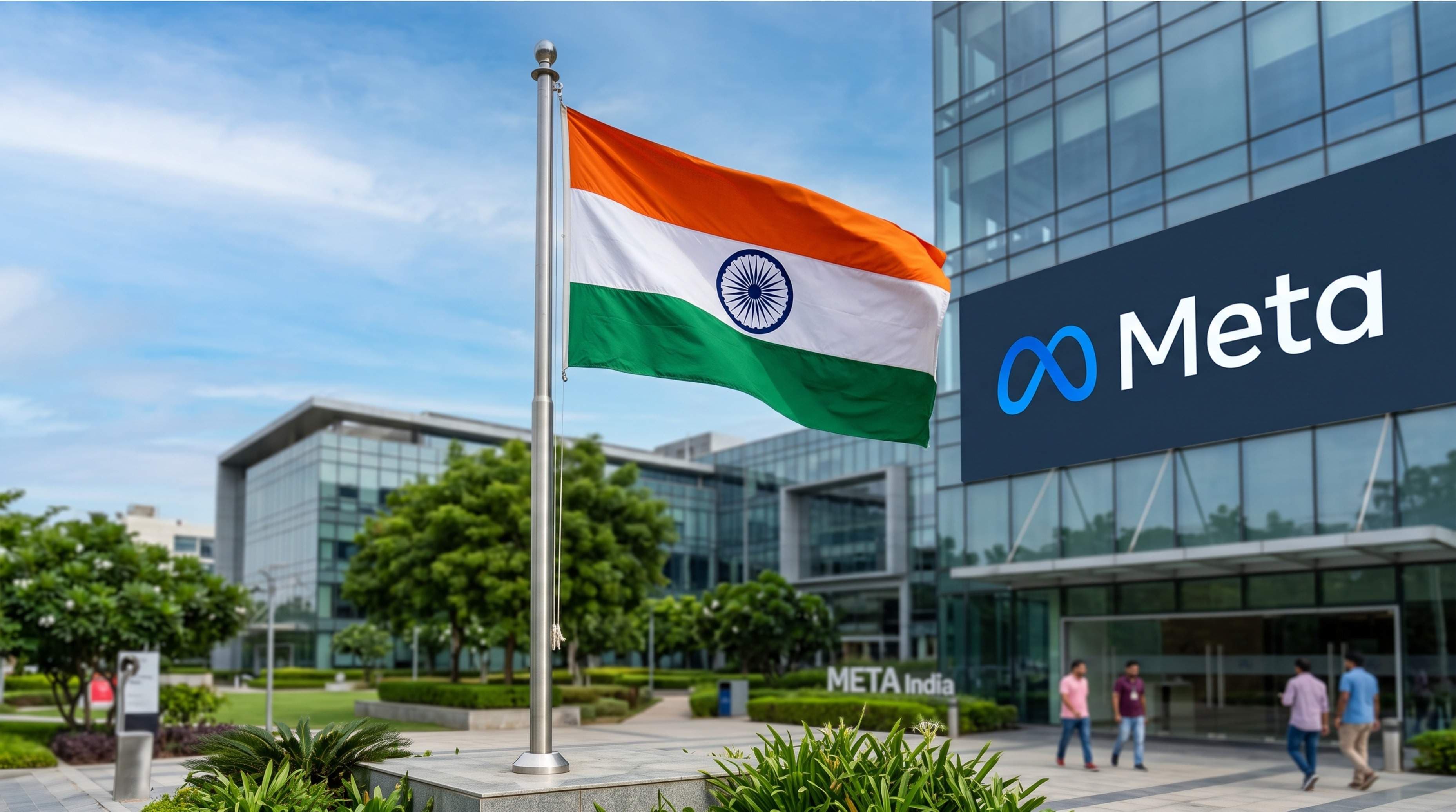
India has asked Meta to hold off launching its new username feature for WhatsApp in the country over fears it could open the floodgates to fraud and impersonation. That’s according to reports on Thursday, cbinews.tv reports.
The concern comes as Indian authorities battle a sharp rise in cybercrime. With hundreds of millions of new internet users still getting to grips with digital safety, scammers are having a field day.
So what’s Meta planning? On Monday, WhatsApp’s parent company announced that users worldwide would soon be able to connect using unique usernames instead of phone numbers. The idea, they said, is to boost privacy.
But India isn’t convinced. As WhatsApp’s biggest market, with over half a billion users, the country flagged the update on Wednesday, warning it could make it easier for fraudsters to target people.
In a letter to Meta, the Ministry of Electronics and Information Technology said the feature might fuel a rise in online fraud, phishing, “digital arrest” scams, and impersonation attacks, the *Indian Express* reported.
“There is a possibility that bad actors may claim usernames and message other users while pretending to be someone they are not,” a senior government official told the paper. “For those who may not be technologically aware to make out the difference, it could be a huge challenge.”
The ministry has asked Meta to hold off until consultations wrap up.
This comes just a month after Meta named Indian fintech heavyweight Kunal Shah as WhatsApp’s new head.
Meta responded by saying the feature isn’t live in India yet. It also confirmed it has already ring-fenced usernames for public figures and verified accounts.
“To protect against impersonation, we’ve held the highest-profile names so they can only ever be claimed by their legitimate owners,” Meta said in a statement to cbinews.tv. “Users still require a phone number to use WhatsApp, and we’ve built multiple layers of defence against scams into usernames.”
For context, WeChat, owned by China’s Tencent, already uses usernames.
Still, India’s caution isn’t unfounded. Online fraud has exploded there as digitisation races ahead of digital literacy. Government figures show Indians lost nearly $3 billion to cyber fraud in 2025. That’s almost 40 times higher than in 2021.
#WhatsApp #Meta #India #CyberSecurity #OnlineFraud #DigitalSafety #WhatsAppUsernames #TechNews #KunalShah #ImpersonationScams