


IMF Warns Middle East War to Strain Economies
Last update: April 17, 2026
Disclaimer: This website may contain affiliate links, which means we may earn a commission if you click on the link and make a purchase. We only recommend products or services that we personally use and believe will add value to our readers. Your support is appreciated!
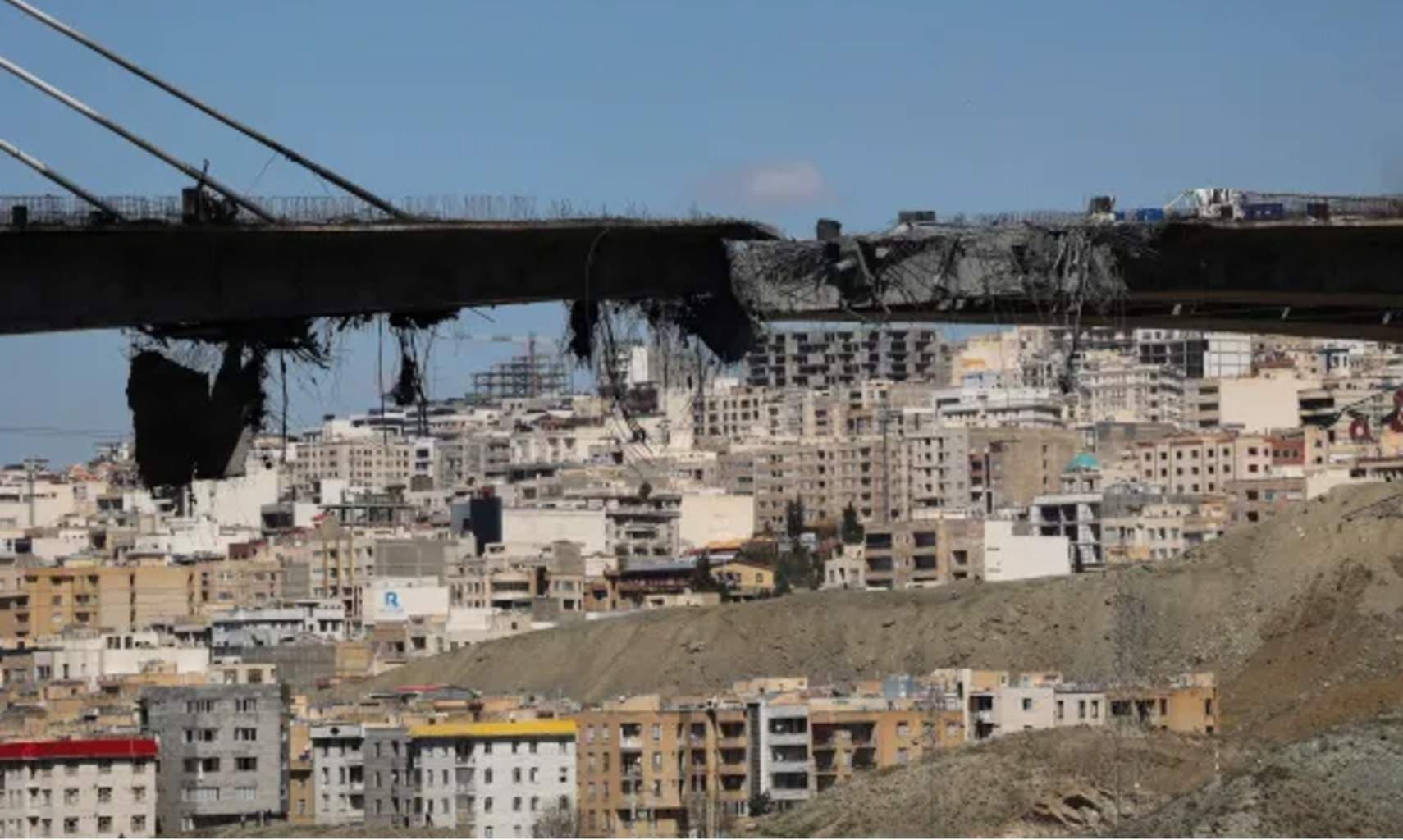
IMF to provide vulnerable economies hit by Iran war with support worth $50bn..
The International Monetary Fund expects to provide between $20 billion and $50 billion in emergency financial support to countries affected by the Middle East war, said Managing Director Kristalina Georgieva.
She warned of lasting economic damage from the crisis.
“Given the spillovers of the Middle East war, we expect near-term demand for IMF balance-of-payments support to rise to somewhere between $20 billion and $50 billion,” Georgieva said in prepared remarks at the IMF-World Bank Spring Meetings in Washington.
She added that the lower end of the range would depend on whether a fragile ceasefire holds.
The conflict, which has disrupted supply chains and driven up oil prices after Iran effectively blocked the Strait of Hormuz, is expected to have widespread global consequences, including rising food insecurity affecting at least 45 million people.
“Even in a best case, there will be no neat and clean return to the status quo ante,” Georgieva said.
The IMF is set to downgrade its global growth forecast for 2026, citing the impact of the crisis, with higher energy costs expected to hit vulnerable, low-income, energy-importing countries the hardest.
Georgieva highlighted the uneven impact of the war, noting that countries with limited fiscal space face greater risks from supply disruptions, infrastructure damage and declining market confidence.
“Spare a thought for the Pacific Island nations at the end of a long supply chain,” she said, pointing to concerns over fuel availability.
In a joint statement following a meeting on Wednesday, the IMF, World Bank and World Food Programme warned that rising oil, gas and fertilizer prices, combined with transport bottlenecks, would push up food prices and worsen food insecurity.
The IMF and World Bank have also established a coordination group to address energy market disruptions, with a high-level meeting scheduled for Monday.
In a recent report, the IMF said economic output in countries directly affected by conflict typically falls by about 3% initially and continues to decline for years, warning that “all roads lead to higher prices and slower growth” in the current crisis.